

Most people maintain their gym home equipment the same way they maintain their car: only when something starts making a terrible noise. A simple schedule changes that. Fifteen minutes a week and an hour or two a year is enough to keep every machine, bar, and bench performing like it did on day one. Here’s the complete checklist, broken down by how often each task actually needs doing.
Why a Schedule Beats Guesswork
Without a routine, maintenance happens randomly or not at all. Bolts loosen quietly, cables fray out of sight, and rust creeps in behind a rack you haven’t moved in two years. By the time you notice, the repair costs more than a year of prevention would have.
A written schedule also protects your warranty. Most manufacturers require documented care for coverage claims, and structured maintenance routines significantly extend equipment lifespan across both commercial and residential setups. Print the checklist below and tape it inside a cabinet door. Out of sight really does mean out of mind.
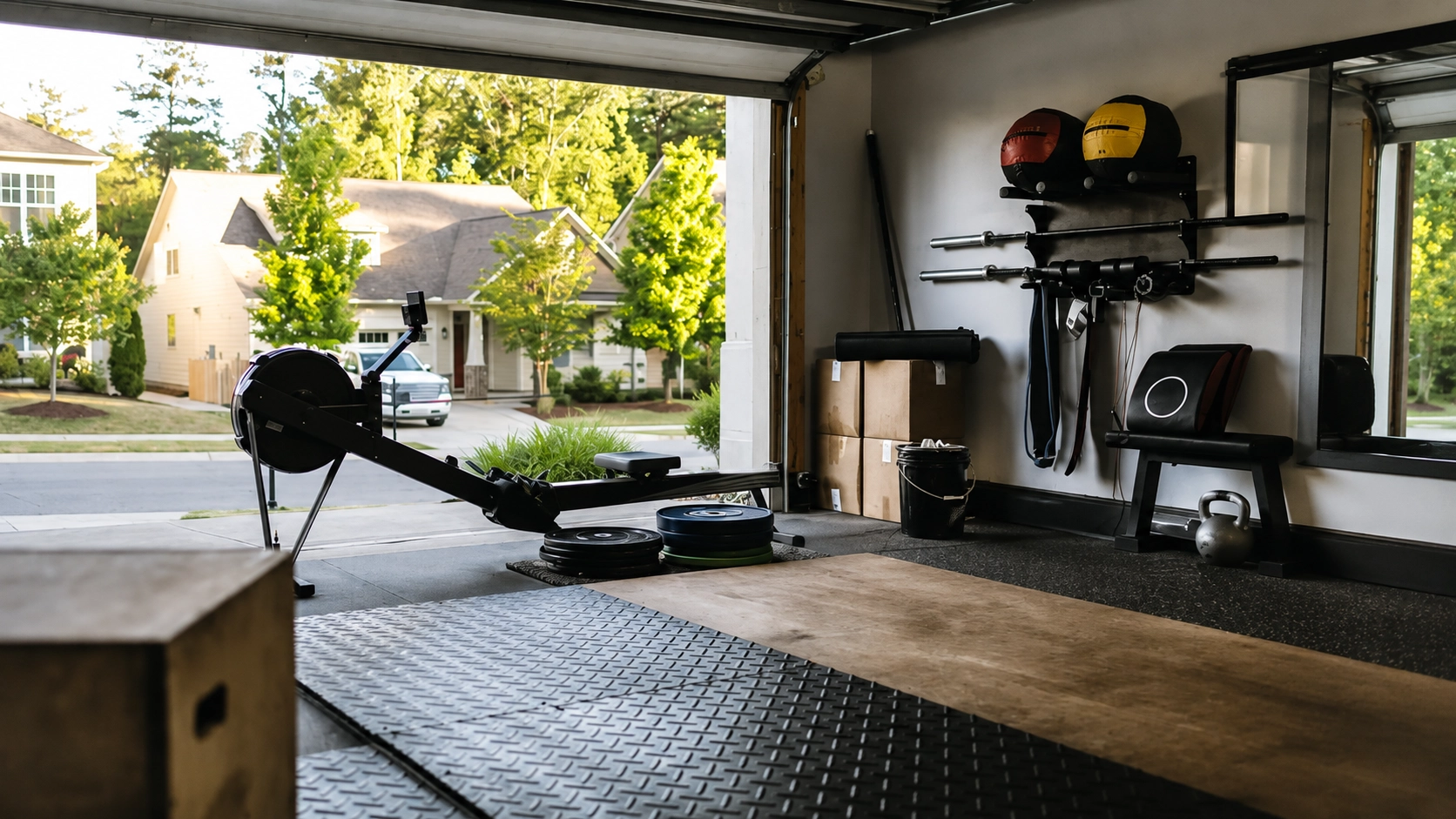
Weekly Tasks: Five Minutes, Every Week
These are the habits that prevent almost every long-term problem. Do them at the end of your last session each week.
- Wipe all contact surfaces: Handles, bars, benches, and grips. Sweat is corrosive and doesn’t evaporate politely.
- Vacuum or sweep the floor: Dust gets pulled into motor housings and vents on cardio machines.
- Check for loose hardware: Give handrails and bench frames a firm shake. Anything that wiggles gets tightened.
- Inspect cables and belts visually: Look for fraying, cracking, or uneven wear before it becomes a failure.
- Return weights to storage: Plates left on the floor scratch, rust, and become tripping hazards.
Monthly Tasks: Fifteen to Twenty Minutes
Once a month, go deeper. Unplug electronic machines first, then work through each piece of equipment systematically.
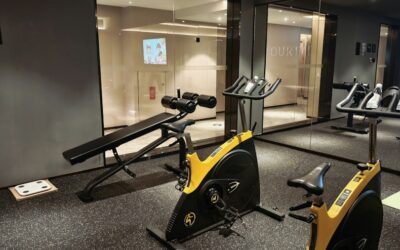
Tighten every accessible bolt and screw with an actual wrench, not just a hand check. Lubricate moving joints, pivot points, and pedal axles with the lubricant your manual specifies. Vacuum inside motor housings on treadmills and bikes using a brush attachment. Check pulleys and cable systems on multi-function machines for smooth travel and even tension.
Rowing machines need particular attention monthly since the rail, seat rollers, and chain or belt all see constant motion. If you own one from our list of the best NordicTrack rowing machines for weight loss, wiping the rail and checking roller wear takes two minutes and prevents the gritty, sticky feeling that ruins longer sessions.
Multi-station equipment has the most moving parts and benefits most from monthly care. Machines like those in our review of the best all-in-one Smith machines under 5000 dollars combine cables, pulleys, guide rods, and weight stacks, so a monthly check across all four systems keeps everything moving smoothly.
Quarterly and Seasonal Tasks
Every three months, do a full inspection with a flashlight. Look underneath and behind equipment, inside pulley housings, and along the base of racks where moisture collects.
Replace worn friction pads, frayed cables, and cracked upholstery before they fail mid-set. Check that all safety mechanisms work: rack safety bars, treadmill emergency keys, and bench locking pins. Try cardio machines at multiple speeds and resistance levels, listening for grinding or hesitation.
Seasonal changes matter more than most owners realize. Climate conditions across the United States vary dramatically by region and season, and temperature swings loosen fasteners while humidity shifts drive corrosion. If your setup lives in a garage, our guide on how to maintain a gym home in a garage through seasonal changes breaks down what to do each season. For damp regions specifically, our guide on how to prevent rust on gym home equipment in humid climates covers coatings and humidity control.
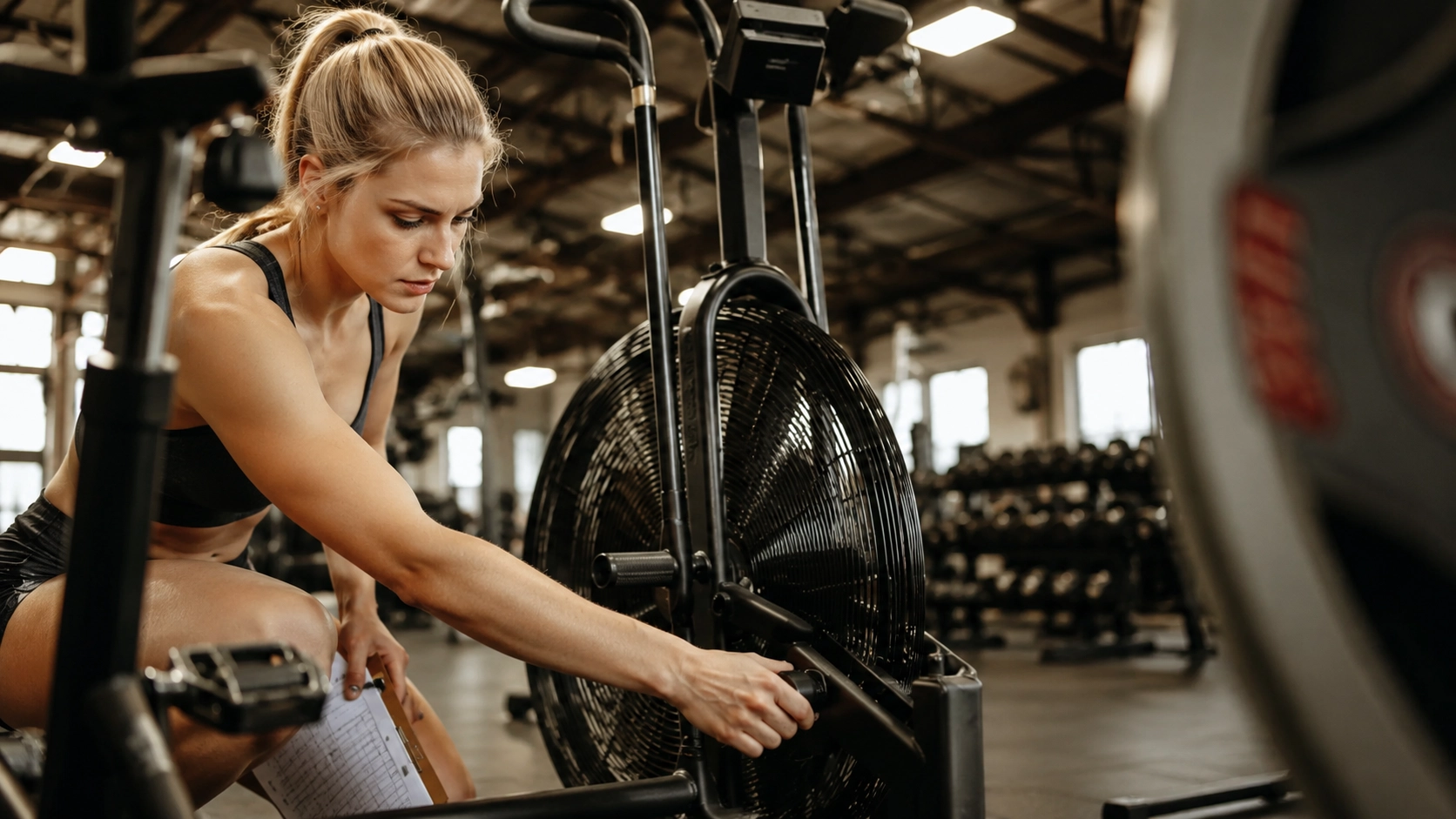
Annual Tasks: The Once-a-Year Deep Service
Pick a date and stick to it. New Year’s week works well since motivation is high and your equipment is about to get busy.
Strip and clean every machine thoroughly, including removing covers where possible. Replace treadmill belts showing significant wear, swap out old lubricant entirely rather than topping it off, and re-torque every bolt on racks and benches to manufacturer specifications. Inspect welds carefully for hairline cracks, especially on used or heavily loaded equipment.
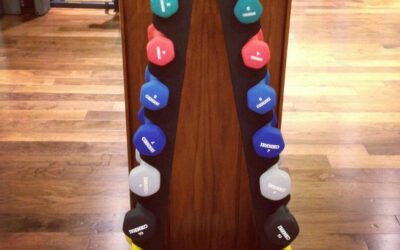
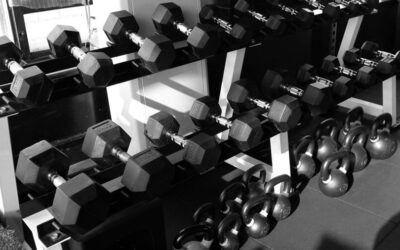
This is also the right time to assess whether anything needs replacing rather than repairing. Dumbbell sets with damaged handles or worn adjustment mechanisms are safety risks, and our roundup of the best dumbbell sets with rack under 2500 dollars covers complete replacements. If replacement is on the table, our guide on how to set a gym home budget based on your fitness goals helps you decide where the money is best spent.
Maintenance is boring, which is exactly why a schedule works better than good intentions. Five minutes weekly, twenty minutes monthly, and one solid afternoon a year keeps a gym home running for decades. Your future self, mid-set, will appreciate the silence.




Write Your Review
No reviews yet. Be the first to share your experience!