

Building a gym home doesn’t require a five-figure budget or a contractor on speed dial. With some creativity, a few weekend projects, and smart shopping, you can turn a spare room, garage corner, or basement into a training space you actually look forward to using. The best part: DIY solutions often work better than expensive store-bought options because you build exactly what you need.
Start With Flooring You Can Actually Afford
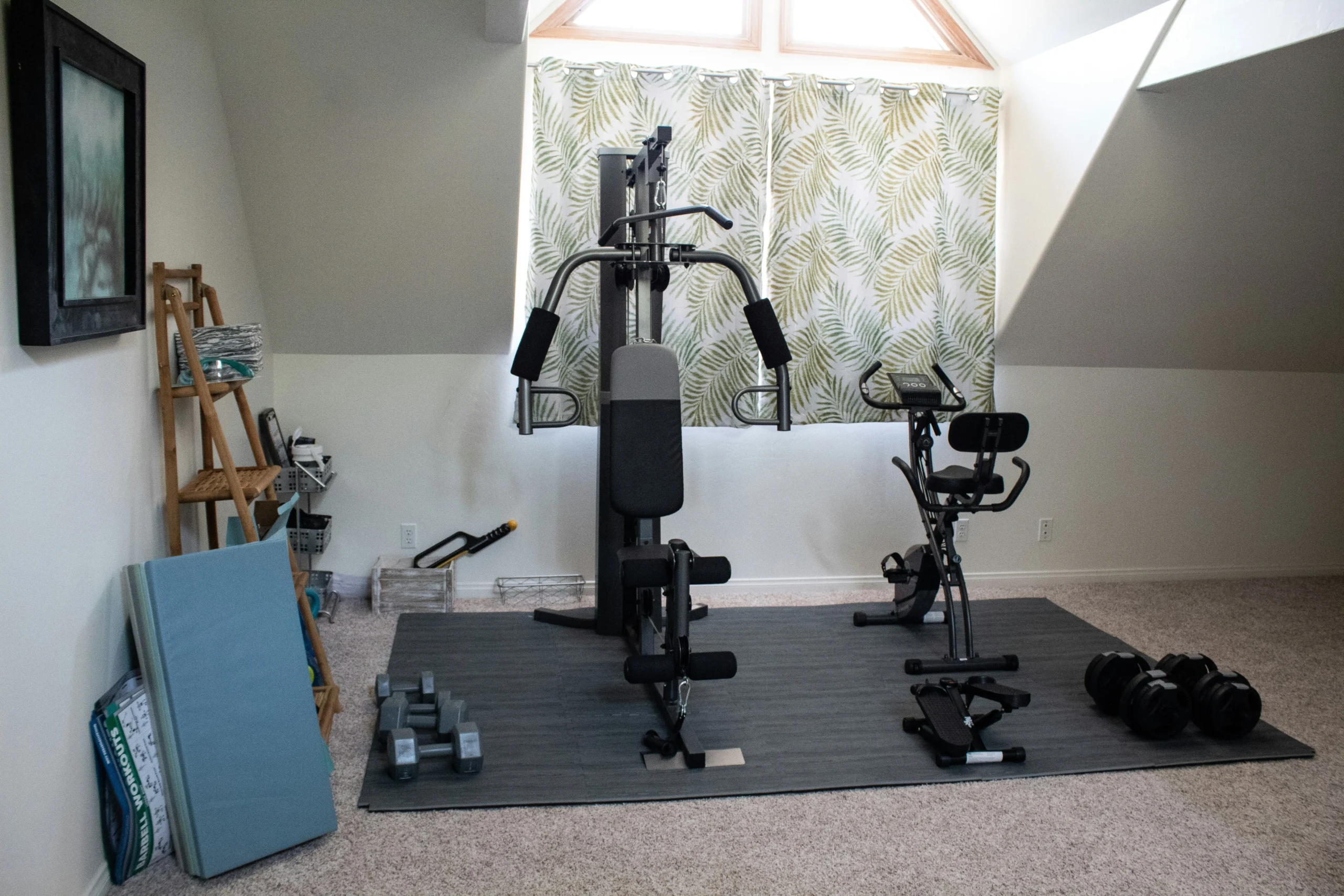
Flooring is the foundation of any gym home, and it’s also where people overspend fastest. Commercial rubber rolls look great but cost hundreds of dollars. Horse stall mats from farm supply stores deliver nearly identical performance for a fraction of the price, usually around 40 to 60 dollars per 4×6 foot mat.
Interlocking foam tiles work well for lighter training zones like stretching, bodyweight work, or cardio areas. They cost about 1 to 2 dollars per square foot and install in minutes with no tools. For garage setups, laying mats only under your equipment saves money while still protecting the concrete. You don’t need to cover every square inch unless you’re planning to drop deadlifts everywhere.
Build Your Own Storage and Organization
Cluttered gyms kill motivation. Fortunately, storage is where DIY shines brightest. A few scrap 2x4s and some basic screws turn into a dumbbell rack, plate tree, or resistance band hanger for under 30 dollars.
Try these budget-friendly storage projects:
- Wall-mounted PVC pipe rack: Cut sections of PVC and mount them horizontally to hold jump ropes, bands, and foam rollers.
- Pegboard organizer: A 4×8 pegboard sheet costs around 25 dollars and holds accessories, straps, and small tools.
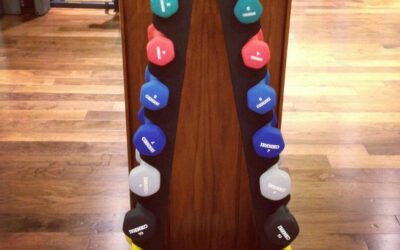
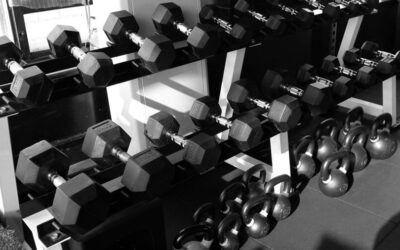
- Repurposed bookshelf: An old shelf becomes a dumbbell station with minimal reinforcement.
- Milk crate storage: Stack and secure crates for kettlebells, medicine balls, and mats.
Vertical storage is your friend in small spaces. Getting equipment off the floor makes even a cramped room feel workable.
Choose Budget Equipment That Still Performs
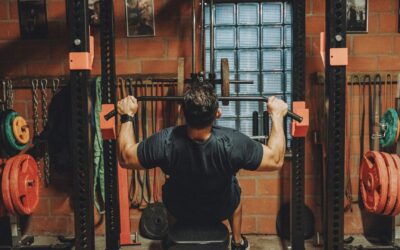
You don’t need premium gear to train hard. Entry-level equipment handles most beginner and intermediate programs perfectly well. A basic squat rack, adjustable dumbbells, and a bench cover the majority of strength movements.
Our review of the best power racks for beginners under 300 dollars covers models that deliver safety and functionality without the premium price tag. For weights, adjustable dumbbells save both money and space compared to buying a full dumbbell set, and our list of the best adjustable dumbbells under 200 dollars highlights options that replace an entire rack of fixed weights.
Buy used where you can inspect quality easily. Plates, dumbbells, and racks hold up well secondhand, and Facebook Marketplace regularly has barely-used gear at half retail price. Just avoid used cardio machines with electronics unless you can see them running.
Make the Space Feel Like a Real Gym
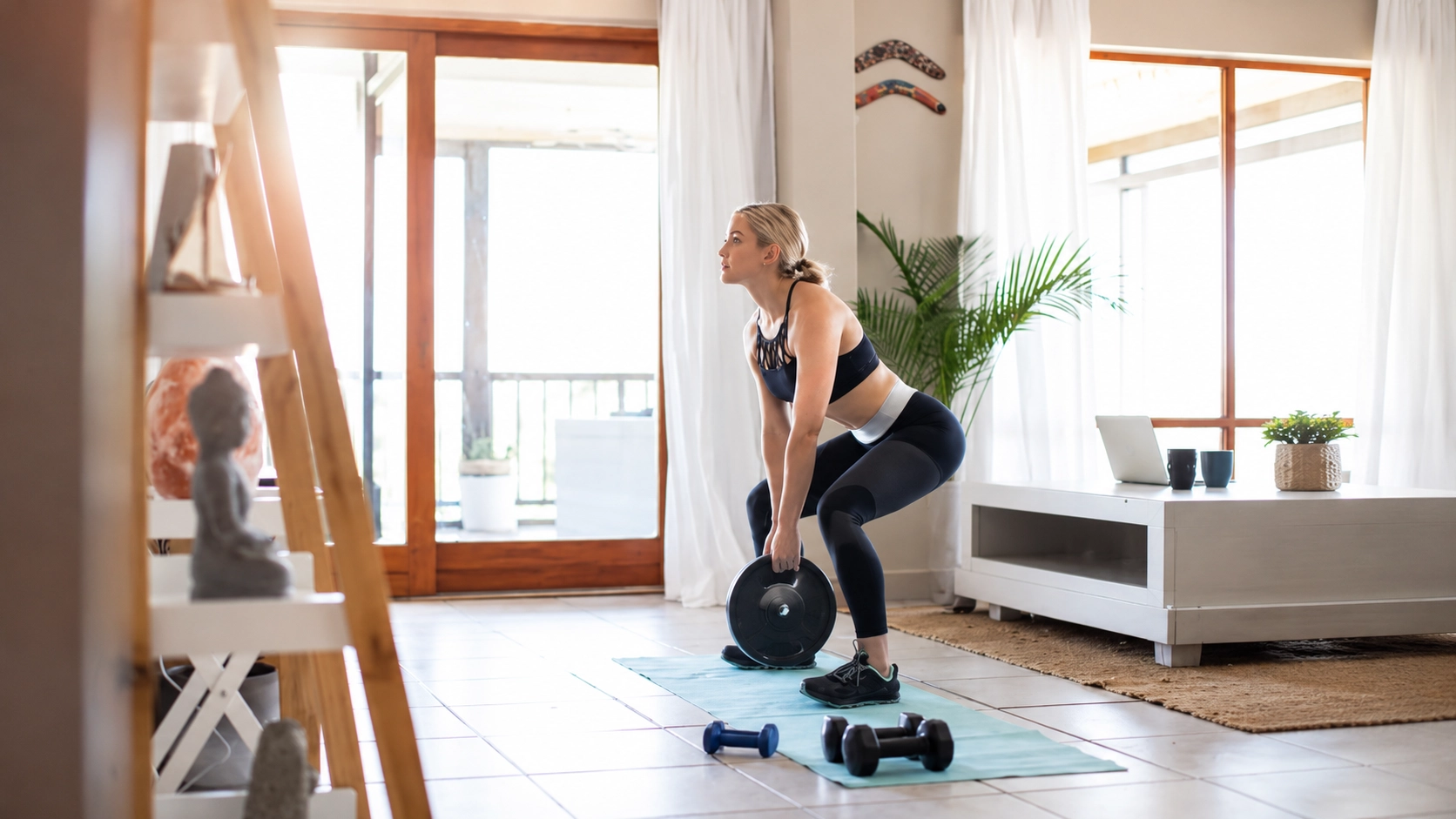
Atmosphere matters more than most people expect. A gym home that looks and feels intentional gets used far more often than a random pile of equipment in a corner.
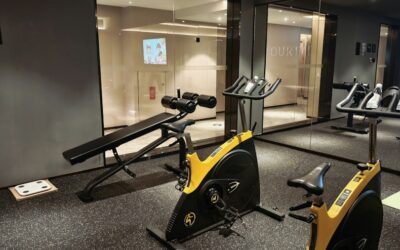
Mirrors are the cheapest upgrade with the biggest visual impact. Full-length mirrors from discount retailers cost around 15 to 25 dollars each, and mounting three or four side by side creates a legitimate gym wall. Better lighting comes next. Swapping dim bulbs for bright LED shop lights costs under 50 dollars and instantly transforms a dark basement into a usable space.
Add a Bluetooth speaker, a wall clock with a second hand for timing intervals, and a whiteboard for tracking workouts. Paint one accent wall in a bold color if you want the space to feel separate from the rest of your house. For more layout inspiration, browse our guide on modern gym home design trends for 2026.
Maximize Small and Shared Spaces
Not everyone has a dedicated room, and that’s fine. Multi-purpose spaces work well when you choose equipment that stores easily or serves double duty.
Folding benches, wall-mounted racks, and compact cardio machines let you reclaim floor space between sessions. Under-desk equipment is especially useful if your gym shares a room with your workspace, and our roundup of the best under-desk elliptical machines under 600 dollars covers models that slide neatly out of sight.
If you’re combining functions, planning matters. Our guide on how to combine workspace and workout equipment walks through layouts that keep both areas functional instead of turning into a cluttered compromise.
A great gym home comes down to smart choices, not big spending. Start with solid flooring, build your own storage, pick equipment that earns its footprint, and add small touches that make the space feel intentional. You’ll end up with a setup that costs a fraction of a commercial build and gets used far more than the gym membership you keep forgetting to cancel.



Write Your Review
No reviews yet. Be the first to share your experience!