
The old “eight glasses a day” rule is a reasonable starting point, but it does not account for your body size, how much you exercise, or the climate you live in. This calculator gives you a more personalized daily water target based on your weight, activity level, and climate, so you know what you are actually aiming for instead of guessing.
Water Intake Calculator
How Your Water Intake Is Calculated
This calculator starts with a baseline of 35ml of water per kilogram of body weight, a commonly used starting point in hydration research. It then adds roughly 350ml for every 30 minutes of exercise to account for water lost through sweat, plus an additional 500ml if you selected a hot and humid climate, since heat and humidity increase sweat loss even without exercise.
These additions are estimates, not exact measurements. Actual sweat loss varies by individual, workout intensity, and humidity, so treat your result as a solid daily target rather than an exact science. Pair it with our TDEE Calculator to plan your full daily needs alongside your calorie target.
Why Exercise and Climate Change Your Needs
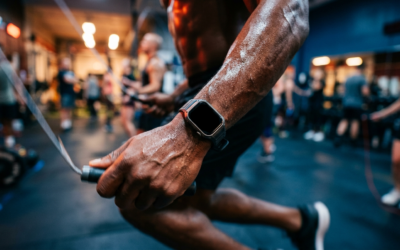
A 30-minute workout can cause you to lose anywhere from a few hundred milliliters to over a liter of water through sweat, depending on intensity, clothing, and conditions. Training in a hot or humid environment multiplies this further, since your body works harder to cool itself down. Someone doing an hour of intense training in the heat can easily need a liter or more of extra water beyond their baseline.
This is also why the same body weight can produce very different daily targets: two people who weigh the same but train differently, or live in different climates, do not need the same amount of water.
Signs You May Need More Water
Thirst is a lagging indicator, by the time you feel thirsty, you are often already mildly dehydrated. Watch instead for signs like dark yellow urine, headaches, unusual fatigue, or dizziness during a workout. If you notice these regularly, increase your intake gradually rather than trying to catch up all at once, and space it out evenly across the day rather than drinking it all in one sitting.
Disclaimer: This calculator provides a general estimate based on common hydration guidelines. It is not medical advice. Individuals with kidney, heart, or other conditions that affect fluid balance should consult a healthcare provider for personalized guidance.





Write Your Review
No reviews yet. Be the first to share your experience!