


Wondering what you should actually weigh? The number on the scale alone does not tell the full story, but your ideal weight range gives you a personalized target based on your height and, if you enter it, how your current weight compares. Use the calculator below to find your ideal weight, your healthy weight range, and tailored advice based on where you stand today.
Ideal Weight Calculator
How Your Ideal Weight Is Calculated
This calculator averages four well-established medical formulas used to estimate ideal body weight from height and gender: the Devine formula (1974), the Robinson formula (1983), the Miller formula (1983), and the Hamwi formula (1964). Each formula was developed for slightly different clinical purposes, mainly medication dosing, but together they give a well-rounded estimate that avoids relying on any single method. Averaging them smooths out the outliers you would get from picking just one.
Your healthy weight range is calculated separately, using the same 18.5 to 24.9 BMI range used in our BMI Calculator. Comparing both numbers side by side gives you a fuller picture than either one alone.
Why Ideal Weight Is a Range, Not a Single Number
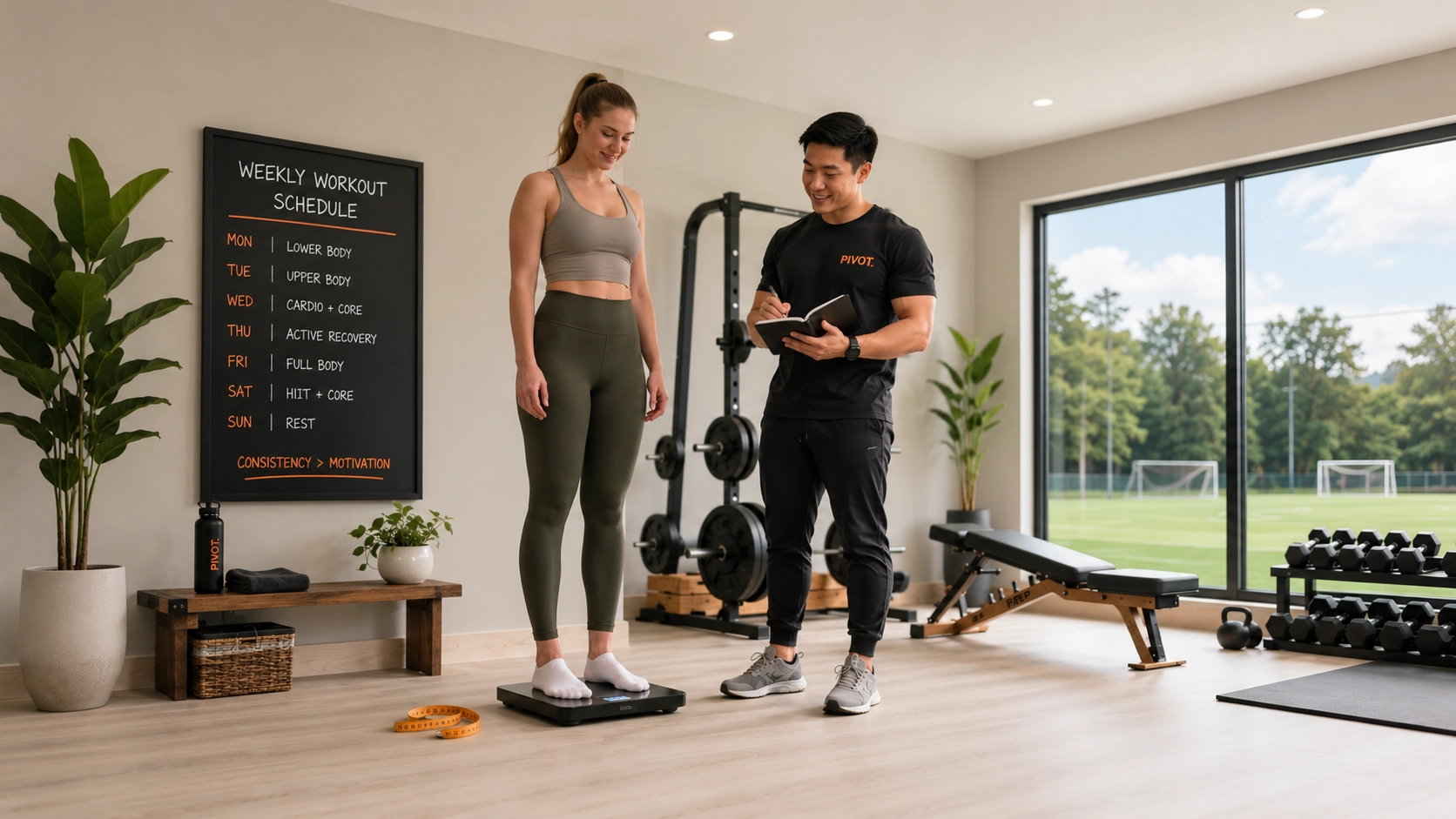
No formula can account for everything that makes up a healthy body. Muscle mass, bone density, and frame size all shift what a healthy weight looks like for two people of the same height. A muscular athlete and a sedentary office worker of identical height can both be at a healthy weight while showing very different numbers on the scale. Treat your result as a starting target and a useful benchmark, not a strict rule to hit exactly.
What To Do With Your Result
If you entered your current weight, the calculator compares it against your ideal weight and gives you advice based on the gap, whether that means building strength and adding calories, or working toward a modest calorie deficit with more cardio. If you left it blank, use the target number to set a realistic, long-term goal rather than chasing an aggressive short-term change. Either way, pair your goal with a consistent training routine. Our Training Guides and Buying Guides are good next stops if you are building out your gym home to match your plan.
Disclaimer: This calculator provides general estimates based on established formulas. It does not account for individual body composition, medical conditions, or muscle mass. Talk to a healthcare provider for personalized guidance.









Write Your Review
No reviews yet. Be the first to share your experience!