

Hitting 140 grams of protein a day does not require $200 a month in supplements. The cheapest sources are boring foods that have been in grocery stores for decades, and the price gap between them and the marketed options is roughly four to one. Here is what protein actually costs per gram and how to build a week around it.
What Protein Costs Per Gram
Price per pound tells you nothing. Price per gram of protein is the number that matters, and it reorders the grocery aisle considerably.
| Source | Protein per Serving | Cost per 20g |
|---|---|---|
| Dried lentils | 18g per cup | $0.25 |
| Eggs | 6g each | $0.60 |
| Chicken thighs | 23g per 4 oz | $0.75 |
| Canned tuna | 22g per can | $0.90 |
| Cottage cheese | 24g per cup | $1.00 |
| Whey powder | 24g per scoop | $1.10 |
| Chicken breast | 26g per 4 oz | $1.30 |
Chicken breast, the default recommendation in nearly every fitness article, is one of the more expensive options on this list. Thighs deliver nearly the same protein at roughly half the price, with slightly more fat that you can account for in your daily total.
The Five Cheapest Sources Worth Building Around
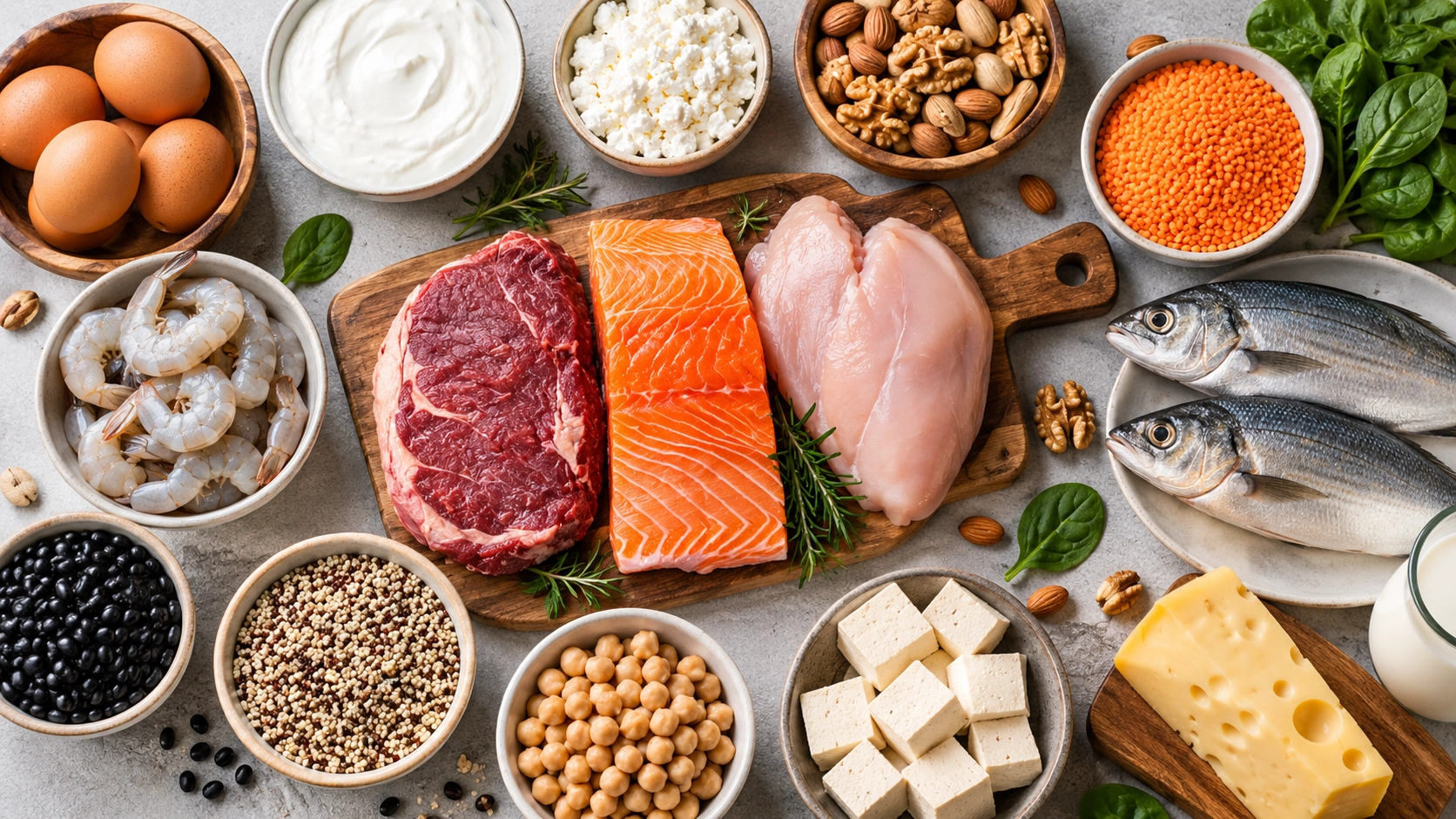
Eggs, canned fish, dried legumes, cottage cheese, and chicken thighs cover most of a week. Eggs at $0.60 per 20 grams remain the most convenient. Canned sardines and tuna run $0.80 to $1.00 and need no preparation at all.
Dried lentils and black beans are the cheapest complete option by a wide margin, though they are lower in leucine than animal sources, which means pairing them with rice or dairy in the same day matters. A broader list of options is covered in this overview of high protein foods, though the pricing question is rarely addressed.
Frozen counts. Frozen chicken and fish run 20 to 30 percent below fresh with no nutritional difference, and they do not spoil while you decide what to cook.
Know Your Actual Target First
Most people buy protein for a number they never calculated. The range the research supports is 0.7 to 1 gram per pound of bodyweight, which for a 170 pound lifter means 120 to 170 grams daily, not the 250 grams supplement marketing implies.
That difference is $40 a month. This breakdown of how much protein you actually need to build muscle covers where the number comes from, and protein also has to fit inside your total calories, which this guide on calculating daily calorie needs for weight loss handles.
Buying Habits That Cut the Bill
Buy whole chickens rather than parts. A whole bird runs $1.50 to $2.00 per pound against $4.00 for breast, and breaking one down takes eight minutes once you have done it twice.
Buy dried legumes instead of canned. A pound of dried lentils costs about $1.50 and yields six to seven servings. The canned equivalent is three times that. Buy whey in 5 pound bags rather than 2 pound tubs, which typically saves 25 to 30 percent per gram.
Cooking in batches is what makes cheap sources realistic, since the expensive convenience options win whenever you are hungry and unprepared. These meal prep ideas for busy gym home users cover the logistics, and having ready options matters most between meals, which these high protein snacks for between meals address.
Protein Powder Is Not the Expensive Part
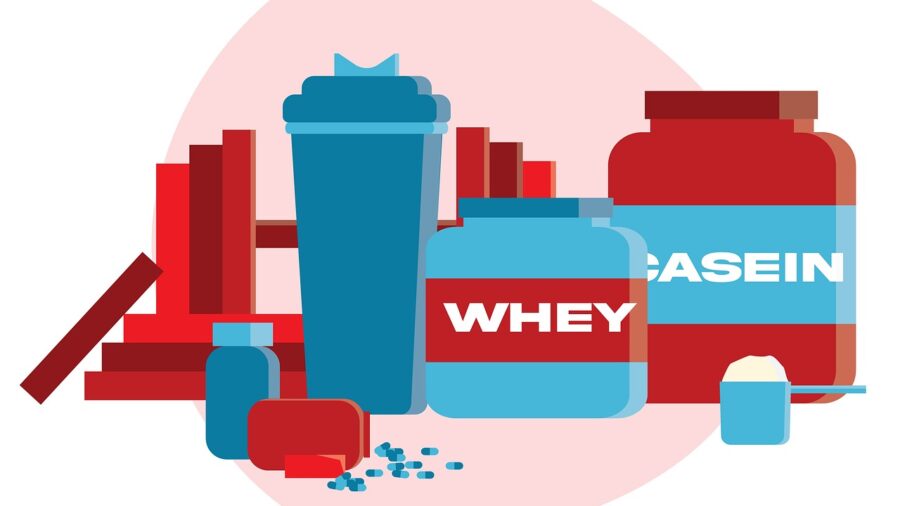
Here is the contrarian note. Whey is frequently blamed for grocery costs and it is actually mid-range at roughly $1.10 per 20 grams, cheaper than chicken breast and about the same as cottage cheese.
The genuinely overpriced items are protein bars at $2.50 to $3.50 for 20 grams, ready-to-drink shakes at $2.00 to $3.00, and anything labeled isolate when concentrate does the same job for 30 percent less. Isolate is worth the difference only if lactose bothers you.
The other overpriced habit is timing anxiety. The anabolic window is considerably wider than the 30 minute rule suggests, and daily total matters far more than post-workout speed. This guide on what to eat after a strength training session covers where timing genuinely matters, which is less often than you would expect.
Build the week around eggs, thighs, legumes, and canned fish, and treat powder as convenience rather than foundation. The rest of the fitness nutrition guides cover the framework this fits inside.


Write Your Review
No reviews yet. Be the first to share your experience!