
The most common first purchase in a gym home is the one that ends up holding laundry. It is rarely a bad product. It is usually a good product bought in the wrong order, before the buyer knew what they would actually train. Here is what people regret, why, and what to buy instead.
The Pattern Behind Every Regret
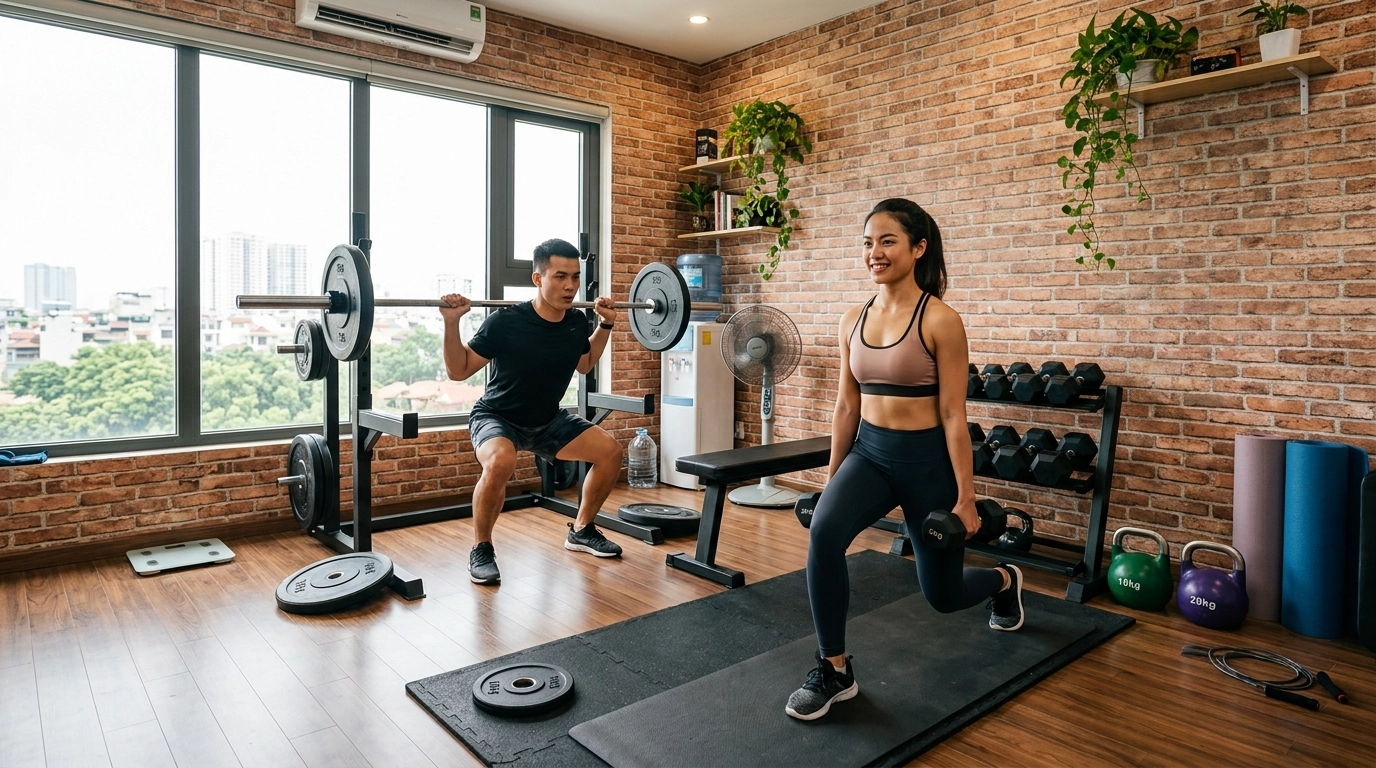
Regretted purchases share one trait: they were bought for the version of you that exists in January, not the one who trains in March. Equipment that serves a narrow purpose, requires a specific routine, or depends on motivation you have not built yet all fall into this category.
The second pattern is spending order. People buy the exciting piece first and the boring foundational piece last, then discover the exciting piece needs the boring one to be useful. This guide on how much to spend on a gym home setup lays out allocation that prevents most of it.
The Five Most Regretted First Purchases
| Equipment | Typical Cost | Why It Fails |
|---|---|---|
| Connected bike or treadmill | $1,500 to $2,500 | Subscription fatigue |
| Vibration plate | $150 to $400 | Minimal training effect |
| Ab machine or roller set | $60 to $200 | One muscle group only |
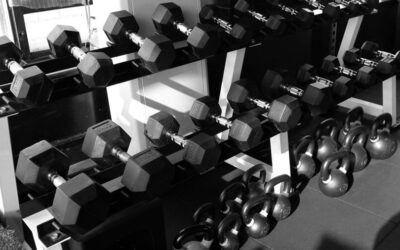
| Fixed-weight dumbbell set | $300 to $600 | Outgrown or unused halves |
| Full multi-gym tower | $800 to $1,800 | Footprint versus usage |
Notice that three of the five are not cheap. Regret scales with price, and a $2,000 machine used twice a month is a worse outcome than a $200 one used twice a week.
Cardio Machines Bought Before a Cardio Habit
The connected treadmill is the classic case. It is genuinely good equipment, and it also assumes you will run three times a week indefinitely. Most people buying their first machine have not established that yet, and a $39 monthly subscription attached to a habit that has not formed is a monthly reminder of the gap.
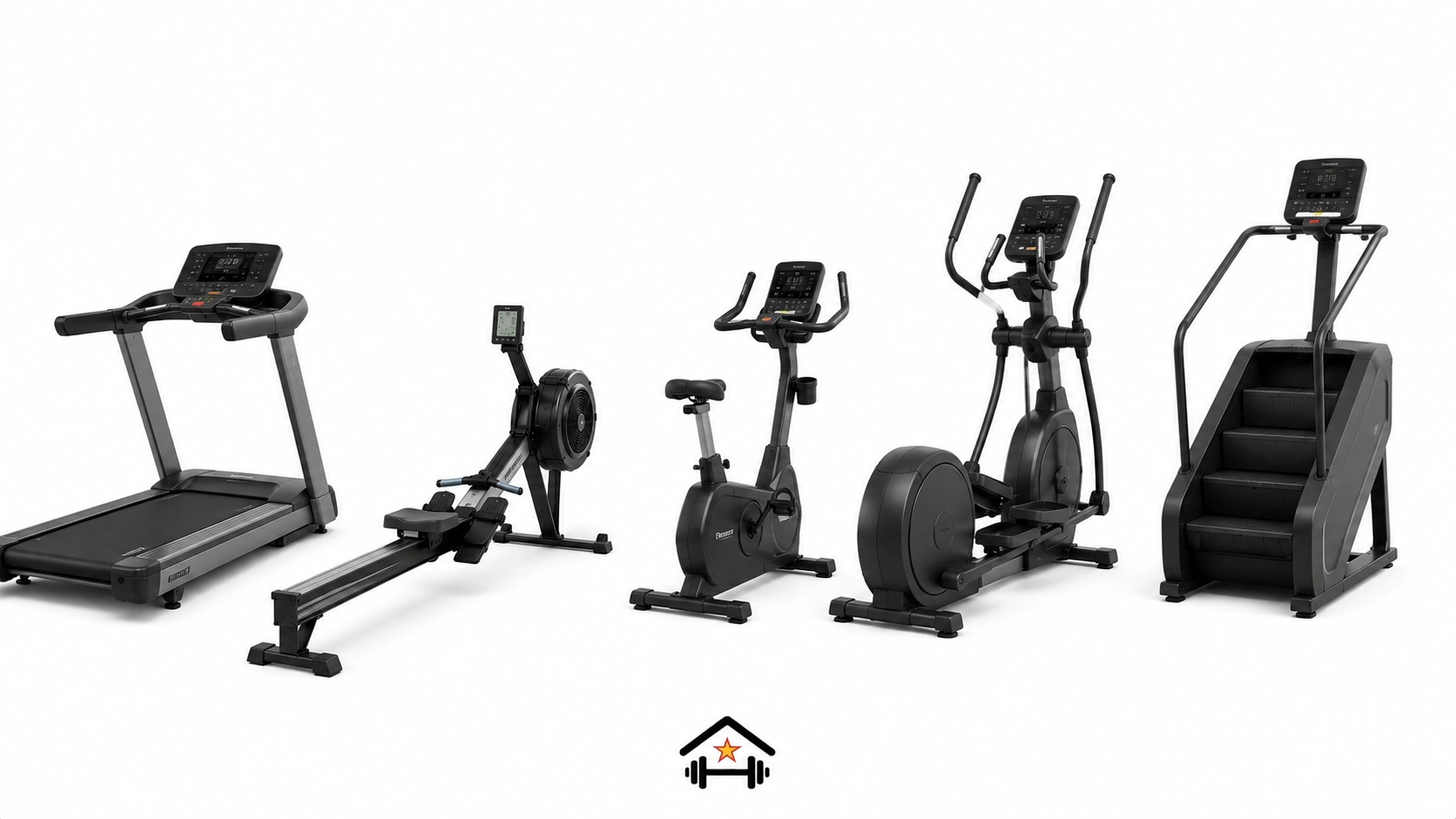
Build the habit first with something cheap. Walk, use a gym, or buy used. If cardio does stick and you want to scale intensity later, a purchase like a stair climber built for HIIT training under 2000 dollars makes far more sense at month six than at week one, because by then you know which modality you actually tolerate.
Big Frames Bought Before Measuring
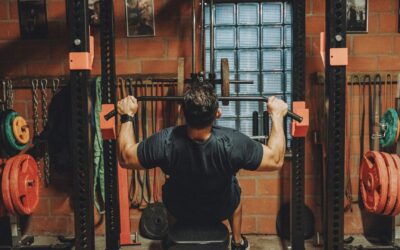
Multi-station towers and full Smith machines get regretted for a reason that has nothing to do with quality: they do not fit. A 400 pound frame in a room where you cannot load plates from both sides becomes a very expensive coat rack.
Measure the working envelope, not the footprint, and buy the frame that fits the room rather than the one that fits the wishlist. A Smith machine sized for small spaces under 500 dollars used daily beats a commercial unit you shuffle around every session. Storage planning helps here too, and these vertical storage solutions for a gym home recover floor space people assume they do not have.
What to Buy First Instead
Adjustable dumbbells and a bench cover roughly 80 percent of what a beginner needs for the first year. Presses, rows, squats, lunges, carries, and every accessory movement run off that pair, and neither becomes obsolete when your training changes.
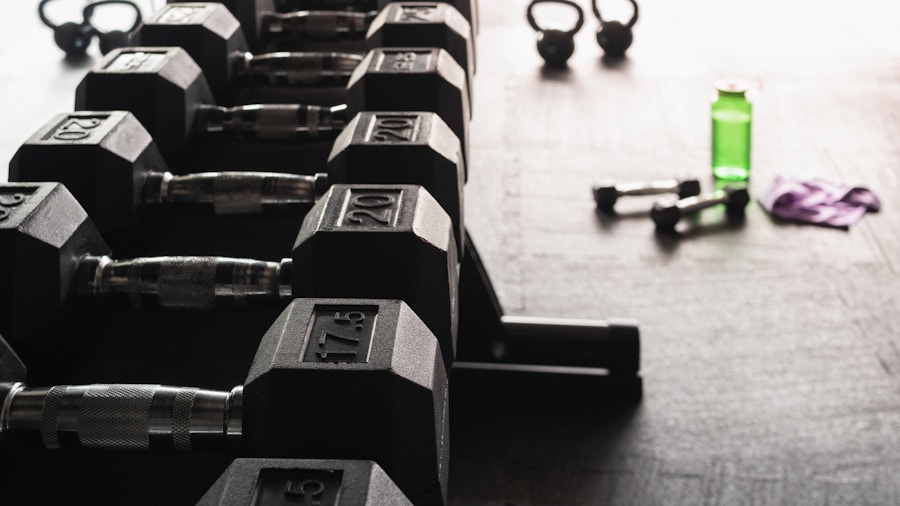
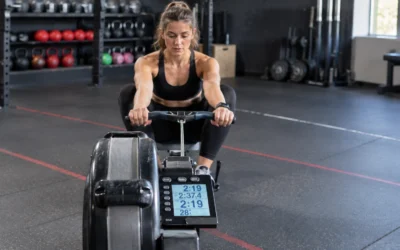
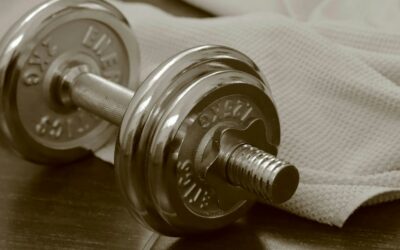
A set of dumbbells for strength training under 200 dollars is the highest-retention purchase in this category. If you want conditioning in the same footprint, an air rowing machine for home use under 400 dollars stores upright and trains most of the body without the subscription model. Neither is exciting. Both get used.
Regret Is Cheap If You Buy Used
Here is the contrarian close. Everything above assumes you paid retail. Buy secondhand and the entire calculus changes, because a $300 used rack you decide against resells for $250.
Steel does not degrade. Plates, racks, benches, and dumbbells are nearly indestructible, and the used market is full of equipment from people who made exactly the mistakes described here. This guide on designing a gym home with used and second-hand equipment covers what is safe to buy used and what is not. Treat your first purchases as a trial you can exit, and the worst case stops being a $2,000 loss and starts being a $50 one.
Set your allocation before you shop, which this approach to setting a gym home budget based on your fitness goals handles, and check the rest of the buying guides before committing to any single piece. Buy boring first. Buy exciting at month six.

Write Your Review
No reviews yet. Be the first to share your experience!