

Free weights eat floor space in a way racks and machines do not, because they spread horizontally. A six-pair dumbbell set laid on the floor occupies roughly 12 square feet and looks like a yard sale. The fix is going vertical, using wall area, and accepting that some storage should double as something else.
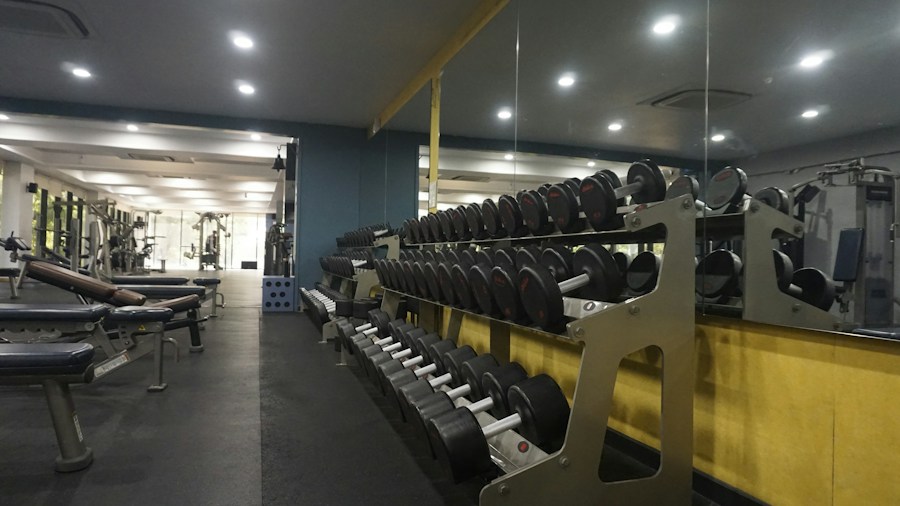
Go Vertical Before Anything Else
A vertical dumbbell tower holds six pairs in about 2 square feet of floor, against 12 for the same weights laid flat. That is a 6 to 1 return on the cheapest storage upgrade available.
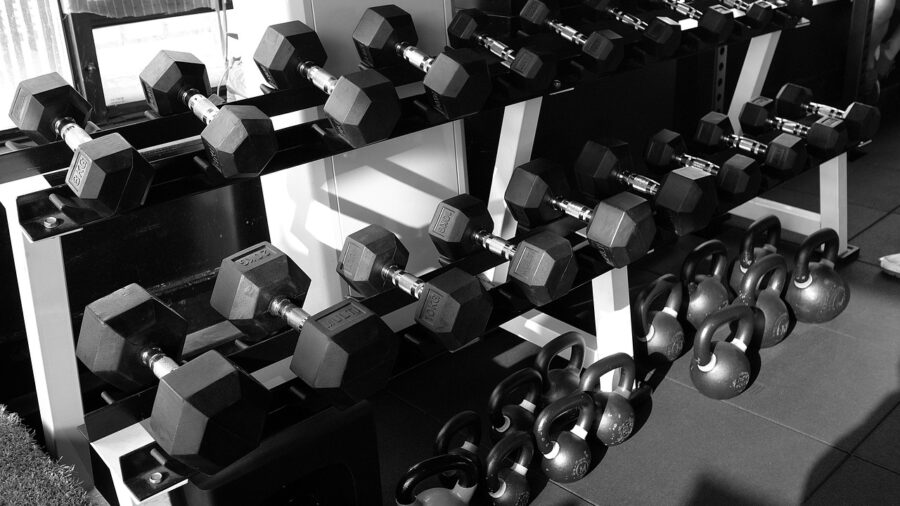
Two-tier horizontal racks are the common default and they are wrong for small rooms. They hold the same six pairs across 5 to 6 feet of wall, whereas an A-frame or tower stacks them at 4 feet tall and 20 inches wide. Look for tiered pegs that angle upward, since flat shelves let heavier heads roll forward.
Sets that ship with matched storage save the guesswork entirely, and browsing the dumbbell lineup by included rack is faster than buying weights and storage separately and hoping the diameters match.
Wall Mounting Is the Real Space Win
Anything on a wall costs zero floor space. Kettlebells hang well on heavy-duty coat hooks or utility hooks rated for 50 pounds each, mounted directly into studs at 16 inch spacing.
Use a 2×6 ledger board screwed across three studs, then mount hooks into that rather than into drywall anchors. This spreads the load and lets you position hooks anywhere along the board instead of only where studs fall. Total cost runs $25 to $40.
Weight limits matter. Keep anything above 44 pounds on the floor or a low shelf. A 62 pound bell coming off a wall hook is a hole in your drywall and possibly your foot.
Storage Density by Method
| Method | Floor Space | Holds |
|---|---|---|
| Flat on floor | 12 sq ft | 6 pairs |
| Horizontal 2-tier | 7 sq ft | 6 pairs |
| Vertical tower | 2 sq ft | 6 pairs |
| Wall hooks | 0 sq ft | 4 to 6 bells |
| Under-bench bin | 0 sq ft | 2 to 3 pairs |
The bottom two rows are free storage. Space under a bench or between rack uprights is already claimed by the equipment above it, so anything you put there costs nothing.
Adjustable Weights Solve It Structurally
Here is the approach that beats every storage method: own fewer dumbbells. One pair of adjustable dumbbells replaces 10 to 15 fixed pairs and occupies about 3 square feet including the cradles.
The tradeoff is switching time, roughly 5 to 15 seconds per change depending on mechanism, which matters for drop sets and barely matters for anything else. A set like these dumbbells for strength training under 200 dollars covers the working range most lifters use without a wall of iron. For lighter training, compact sets such as these dumbbells for women under 100 dollars fit in a single closet shelf.
Barbells Store Vertically Too
A 7 foot bar lying against a wall consumes 7 feet of usable wall. Standing upright in a vertical holder it takes 1 square foot, and gravity keeps it seated as long as the base is weighted or anchored.
Wall-mounted horizontal bar hangers work too, mounted above head height where nothing else can go. Awkward-shaped bars are the real challenge. A hex trap bar in the 200 to 400 dollar range will not fit a standard vertical holder and stores best flat against a wall behind a rack, while pre-loaded barbells under 100 dollars stack on a horizontal rack like oversized dumbbells. The full barbell lineup varies enough in length and sleeve diameter that measuring before buying a holder saves a return.
The Best Storage Is Sometimes No Storage
The honest part. If you own three kettlebells and two dumbbell pairs, a $120 rack is solving a problem you do not have. Five items sitting neatly against a wall out of the walking path cost you nothing and look fine.
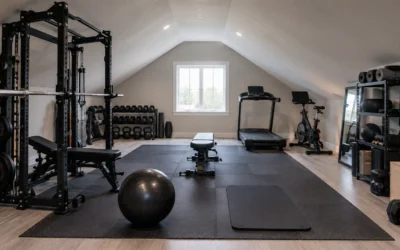
Storage systems earn their footprint past roughly six to eight pieces, or when the weights are in a shared room where visual tidiness matters. Below that, put them in a corner and spend the money on plates. Room shape drives this more than item count, which is why odd spaces need different solutions, as this piece on turning an awkward attic into a real gym home covers.
Go vertical, use walls, claim the space under things you already own. The rest of the gym design guides handle the room around it.






Write Your Review
No reviews yet. Be the first to share your experience!