

Kettlebell rust does not start on the body where everyone looks. It starts on the handle, specifically in the bare strip where powder coat has worn through from chalk and grip, and it spreads inward from there. Most rust prevention advice skips this entirely and tells you to wipe the bell down, which is the step that causes the problem.
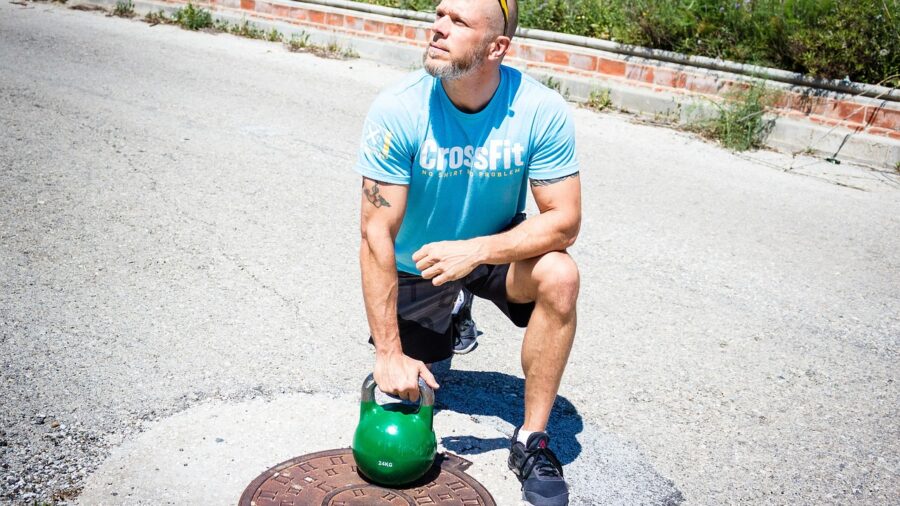
The Handle Is Where It Actually Starts
Powder coat wears off the handle first because that is the only part of the bell with constant friction against skin and chalk. Within a year of regular swings you will see a worn band on the underside of the handle where your fingers wrap.
That exposed strip is bare cast iron. It holds sweat, and sweat is salted water, which is about the worst thing you can leave on unprotected steel. Check that band monthly by running a cloth along it. If the cloth picks up orange, you are already past prevention and into maintenance.
Once corrosion establishes on the handle it migrates under the surrounding coating, lifting it from below. This is why bells that look fine from three feet away can have coating peeling in sheets a year later.
Do Not Wipe a Bell Down With a Disinfectant Wipe
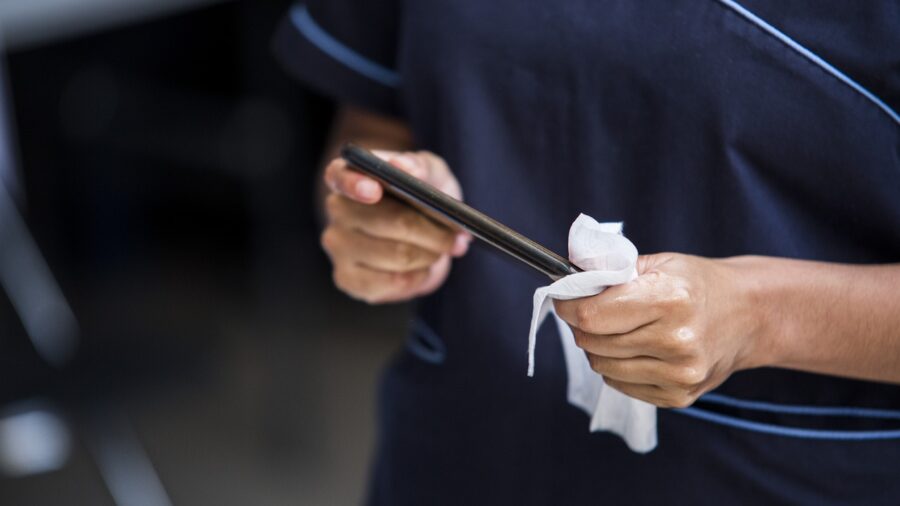
This is the mistake nobody flags. Gym wipes and disinfectant sprays are mostly water with alcohol or quaternary ammonium compounds, and water sitting in the worn handle band overnight does exactly what you would expect.
Quats are also mildly corrosive to bare iron. You are not sanitizing your kettlebell so much as setting a timer. The same logic applies to barbells, covered in this piece on the barbell cleaning mistake that rusts bars.
Use a dry cloth on the handle instead. For the coated body, a damp cloth with mild soap is fine as long as you dry it immediately. Hygiene on coated surfaces is a separate concern handled in this guide on deep cleaning gym equipment.
kettlebell
Chalk Is Working Against You After the Set
Chalk absorbs moisture, which is the entire point during a set. After the set it holds that moisture against the handle for hours, and packed chalk in a worn band is a small sponge sitting on bare iron.
Brush it out the same day with a dry nylon brush. Thirty seconds per bell. If you chalk heavily and train four times a week, this single habit prevents more rust than any product you can buy.
Storage Conditions by Environment
| Environment | Humidity | Oil Handle |
|---|---|---|
| Climate-controlled room | Under 45% | Every 3 months |
| Finished basement | 45 to 55% | Monthly |
| Unheated garage | Swings past 60% | Every 2 weeks |
| Shed or outdoor | Uncontrolled | Weekly |
Keep relative humidity under 50 percent and most of this stops being a problem. A $150 dehumidifier does more for a set of bells than any coating treatment, and a $12 hygrometer tells you whether you need one.
Never store bells directly on concrete. Concrete wicks moisture upward continuously, and a bell sitting on a garage floor is in contact with damp for months. A rubber mat or a wooden pallet solves it for almost nothing.
Oil the Handle, Not the Body
A light coat of 3-in-1 oil or mineral oil on the bare handle band, wiped down until you can barely see it, blocks moisture without making the grip slick. Apply it with a cloth, not directly from the bottle.
Do not oil the coated body. It does nothing, attracts dust, and makes the bell unpleasant to handle. Heavier bells matter more here since they see the most grip pressure and wear through coating fastest, so anyone training with kettlebells for heavy lifters under 400 dollars should check handles more often than the schedule above suggests. Sets with durable powder coat, like these Titan Fitness kettlebells for full body workouts, delay the point where bare iron appears at all.

Some Rust Is Not Worth Fighting
Here is the honest part. Light surface rust on a handle is cosmetic and grips slightly better than fresh powder coat. Scrubbing at every orange speck with steel wool removes more coating than the rust ever would.
Address it when it turns rough to the touch or spreads onto the horns. Otherwise scuff it lightly with a green pad, oil it, and lift. If you live somewhere genuinely humid and would rather not think about it, rust-resistant kettlebells under 100 dollars solve it at the material level, and the broader kettlebell lineup shows which finishes hold up best.
Brush the chalk, skip the wipes, oil the handle band, and control humidity. The rest of the gear care guides cover the rest of your setup.







Write Your Review
No reviews yet. Be the first to share your experience!