

Cracked, peeling, or gouged dumbbell coating is almost always mechanical damage, not wear. Rubber and neoprene do not degrade on their own in a climate-controlled room. They fail because of how the weights get set down, stored, and cleaned. Here is what causes each type of damage and what actually prevents it.
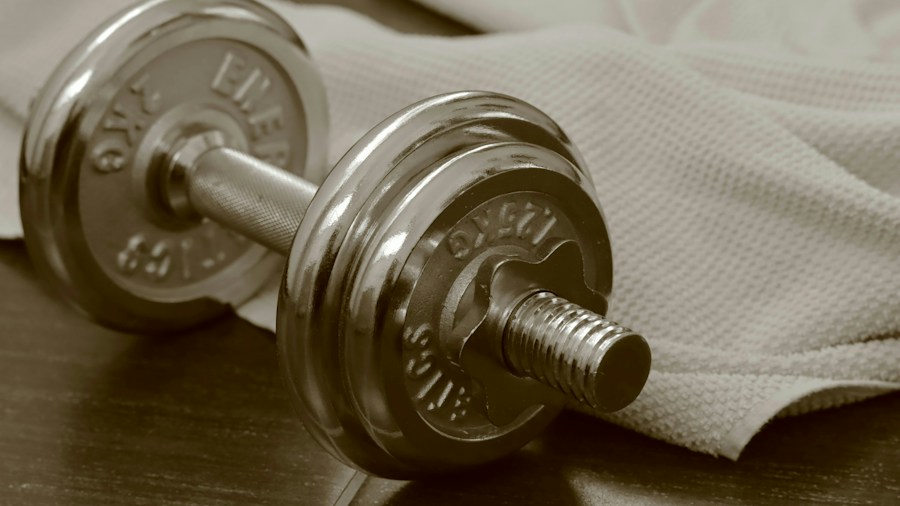
Know Which Coating You Own
The failure mode depends entirely on the material, and people treat all three the same.
| Coating | Fails By | Lifespan |
|---|---|---|
| Rubber | Cracking, odor | 8 to 15 yrs |
| Urethane | Gouging only | 15 to 25 yrs |
| Neoprene | Tearing, peeling | 3 to 6 yrs |
| Vinyl | Splitting at seams | 2 to 5 yrs |
Urethane costs more and outlasts rubber by roughly a decade, which is the main thing separating price tiers in the dumbbell lineup. Neoprene and vinyl are fine for lighter weights and genuinely not built for repeated floor contact, which is why sets like these dumbbells for women under 100 dollars should be set down rather than dropped.
Dropping Is the Cause of Nearly Everything
A 50 pound dumbbell dropped 18 inches onto concrete generates impact force well beyond what the coating was designed to absorb. The damage rarely shows on the first drop. It shows as a hairline crack that opens over the next 40 drops.
Rubber horse stall mats at 3/4 inch thickness solve most of this. On bare concrete, even careful lowering chips the rubber at the edge of the head where contact concentrates. Mats cost $40 to $60 each and outlive several sets of dumbbells.
The other habit worth fixing: do not lower dumbbells edge-first at the end of a set. Landing on the rim of one head puts all the force on a narrow contact strip, which is exactly where gouges start.
Storage Does the Damage You Do Not Notice
Stacking dumbbells directly on top of each other presses metal against coating under constant load. Over months, that produces permanent compression marks and eventually splits along the seam where the coating meets the handle.
A rack keeps the heads off each other and off the floor, which eliminates both the stacking issue and the moisture wicking that happens when rubber sits on concrete. Sets that ship with storage, like these CAP dumbbells with a rack under 200 dollars, handle this by default. If you already own loose dumbbells, a $60 rack is the cheapest coating insurance available.
Keep them off exterior walls and away from direct sunlight. UV exposure is a real factor for rubber over multiple years, and a garage window is enough to cause visible chalking on the side that faces it.
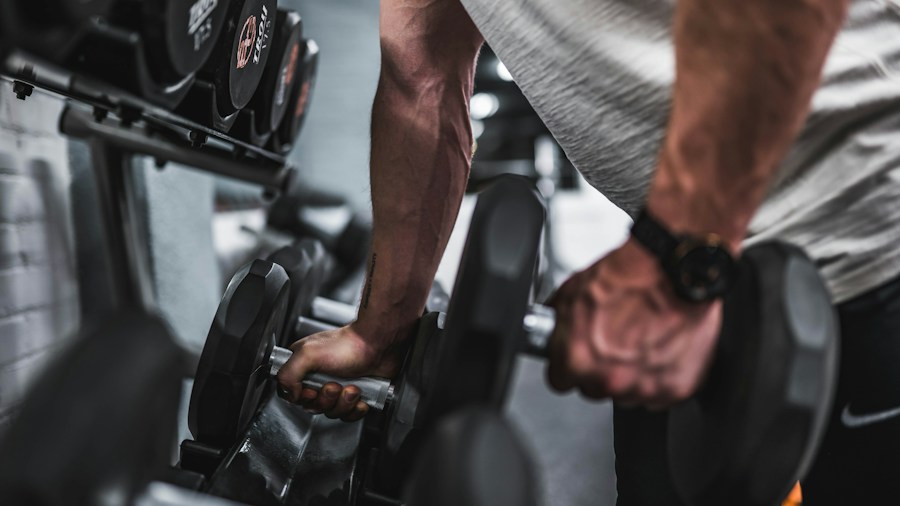
Cleaning Products Cause More Damage Than Sweat
Disinfectant wipes and alcohol sprays dry out rubber over time, which is what produces the cracked, chalky surface people assume is age. Quaternary ammonium compounds are particularly hard on neoprene.
Use a damp cloth with mild dish soap, then dry immediately. That handles sweat and skin residue without stripping plasticizers from the coating. Do this weekly if you train frequently.
Grips are the exception worth attention, since sweat and chalk build up in the knurling faster than on the heads. A dry brush works better than any liquid here, and textured handles like those on non-slip grip dumbbells need the brush more often because the surface holds residue by design. Broader cleaning approaches across equipment types are covered in the gear care guides.
Humidity Attacks the Metal Underneath
Once coating cracks, moisture reaches the cast iron core and rust spreads under the rubber where you cannot see it. The coating then lifts from below, which is why small cracks turn into large peeling sections within a year in a humid garage.
Keep relative humidity under 50 percent where the weights live. A $150 dehumidifier does more for a dumbbell set than any coating treatment, and this guide on preventing rust in humid climates covers the full approach. If you are buying into a damp environment, rust-resistant dumbbells under 500 dollars address the problem at the material level rather than through maintenance.
Cosmetic Damage Is Not Worth Fixing
Here is the honest part. A scuff, a shallow gouge, or a worn patch on a rubber head affects nothing. The coating exists to protect your floor and reduce noise, not to hold the weight together, and the cast iron underneath does not care what the surface looks like.
Repair only when the core is exposed or a crack runs deep enough to trap moisture. Otherwise leave it. Rubber repair compounds rarely bond well to aged surfaces, and people spend an afternoon on a cosmetic issue that would have caused no problem in twenty years.
Buy mats, use a rack, clean with soap and water, and control humidity. Everything else is optional.







Write Your Review
No reviews yet. Be the first to share your experience!