

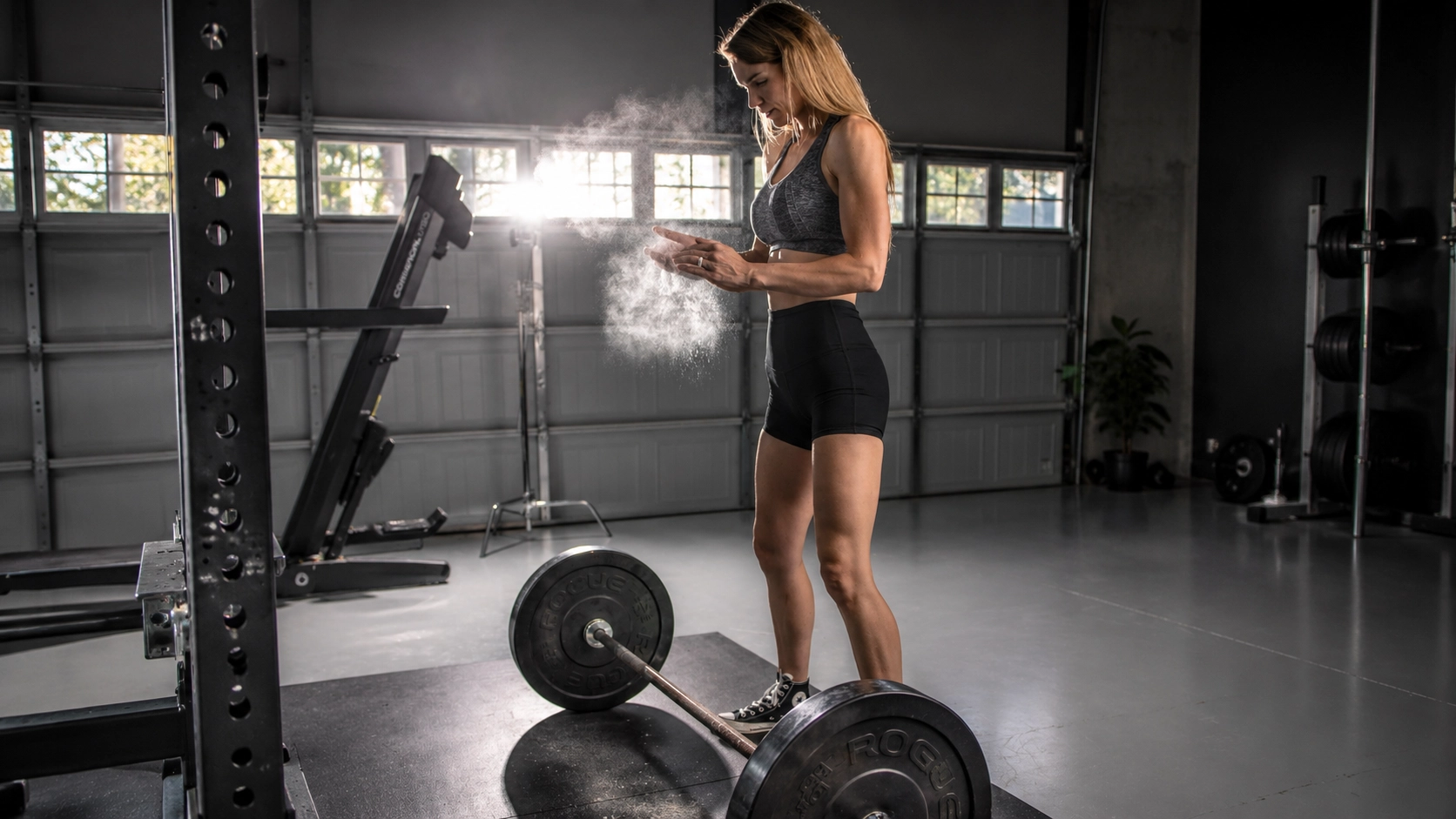
If you live in Florida, the Gulf Coast, or anywhere humidity feels like a permanent houseguest, your gym home equipment is at war with the air. Rust silently attacks barbells, racks, and machines the moment moisture meets metal, and once it takes hold, it spreads fast. The good news: with a few smart habits, you can protect your investment and keep everything looking (and functioning) like new for years.
Why Rust Attacks Gym Home Equipment
Rust forms when iron reacts with oxygen and moisture, creating iron oxide that eats away at metal surfaces. According to metallurgy experts, humidity above 60 percent dramatically accelerates this process, and salty coastal air makes it even worse. Sweat, which contains salt and moisture, is a triple threat that speeds up corrosion on any bare metal it touches.
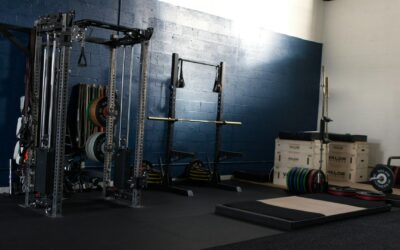
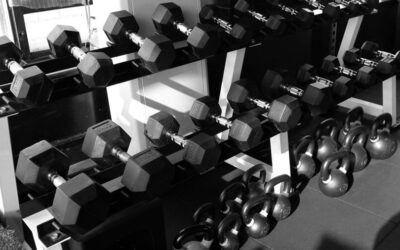
Barbells, weight plates, dumbbells, cable machines, and rack uprights are all vulnerable. Even chrome and powder-coated surfaces can rust if the protective finish gets scratched. Ignoring rust doesn’t just look bad; it weakens metal, damages moving parts, and eventually destroys equipment that should have lasted decades.
Control Humidity in Your Training Space
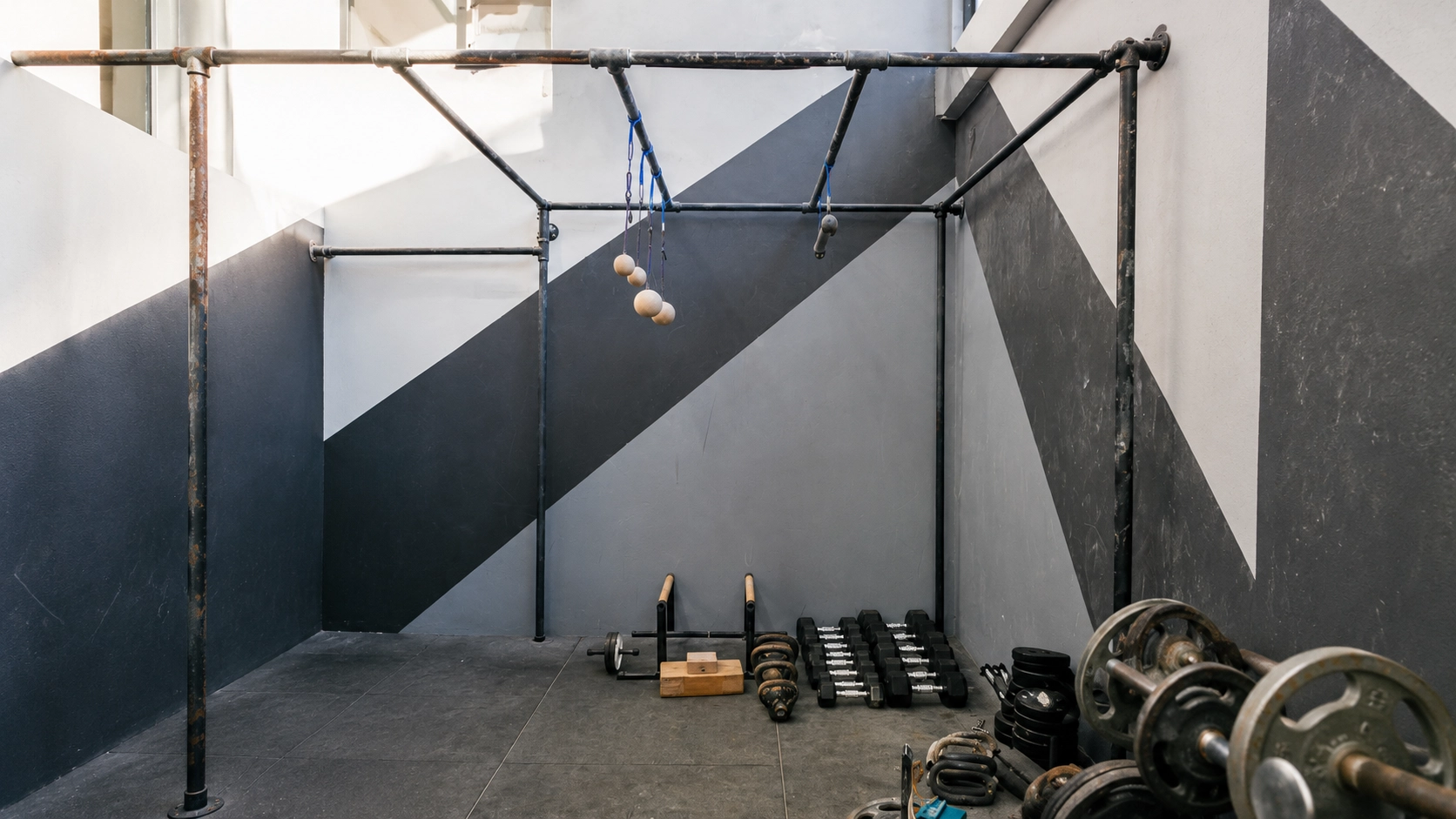
The most effective rust prevention starts with the air itself. Aim to keep humidity in your gym home below 50 percent whenever possible. A dehumidifier is your best friend here, especially in garages, basements, and unheated outbuildings. Choose a unit sized for your square footage, and empty the collection tank regularly or connect it to a drain hose.
Air circulation matters too. Ceiling fans, box fans, or even opening a window on dry days keeps moisture from settling on metal surfaces. Avoid storing equipment against exterior walls where condensation forms during temperature swings. Rubber mats under machines create a moisture barrier and protect floors, but make sure they don’t trap water underneath.
Keep Equipment Clean and Dry After Every Session
Sweat is corrosive, period. Wipe down every metal surface after each workout, including handles, bars, weight plates, seat frames, and any exposed steel. Use a dry microfiber towel first, then follow with a slightly damp cloth if needed to remove salt residue. Never leave sweat sitting on metal, especially overnight.
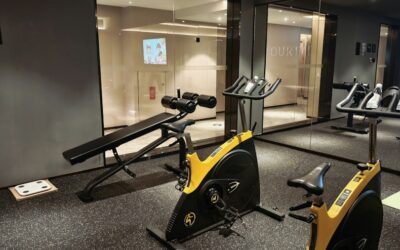
For cardio equipment, follow specific care routines. Our guide on how to clean and maintain treadmills for longer life covers detailed steps that apply to any machine with metal frames and electronic components. Small chrome parts and bearings especially benefit from a light wipe and occasional lubrication.
Protect Metal Surfaces with Coatings and Care
A thin layer of protective oil goes a long way. Apply a food-grade mineral oil or a light coat of 3-in-1 oil to bare metal surfaces monthly, particularly on barbells and weight plates. Silicone-based lubricants work well for moving parts on racks and cable systems. Skip WD-40 for long-term protection since it evaporates quickly and doesn’t create a lasting barrier.
For serious protection, invest in quality equipment with proper coatings from the start. Racks with black oxide, powder coating, or zinc plating hold up much better than raw steel. Our list of the best power racks with complete setup under 3000 dollars highlights models built to resist corrosion, which pays off in humid climates over the long term.
Choose Rust-Resistant Equipment from the Start
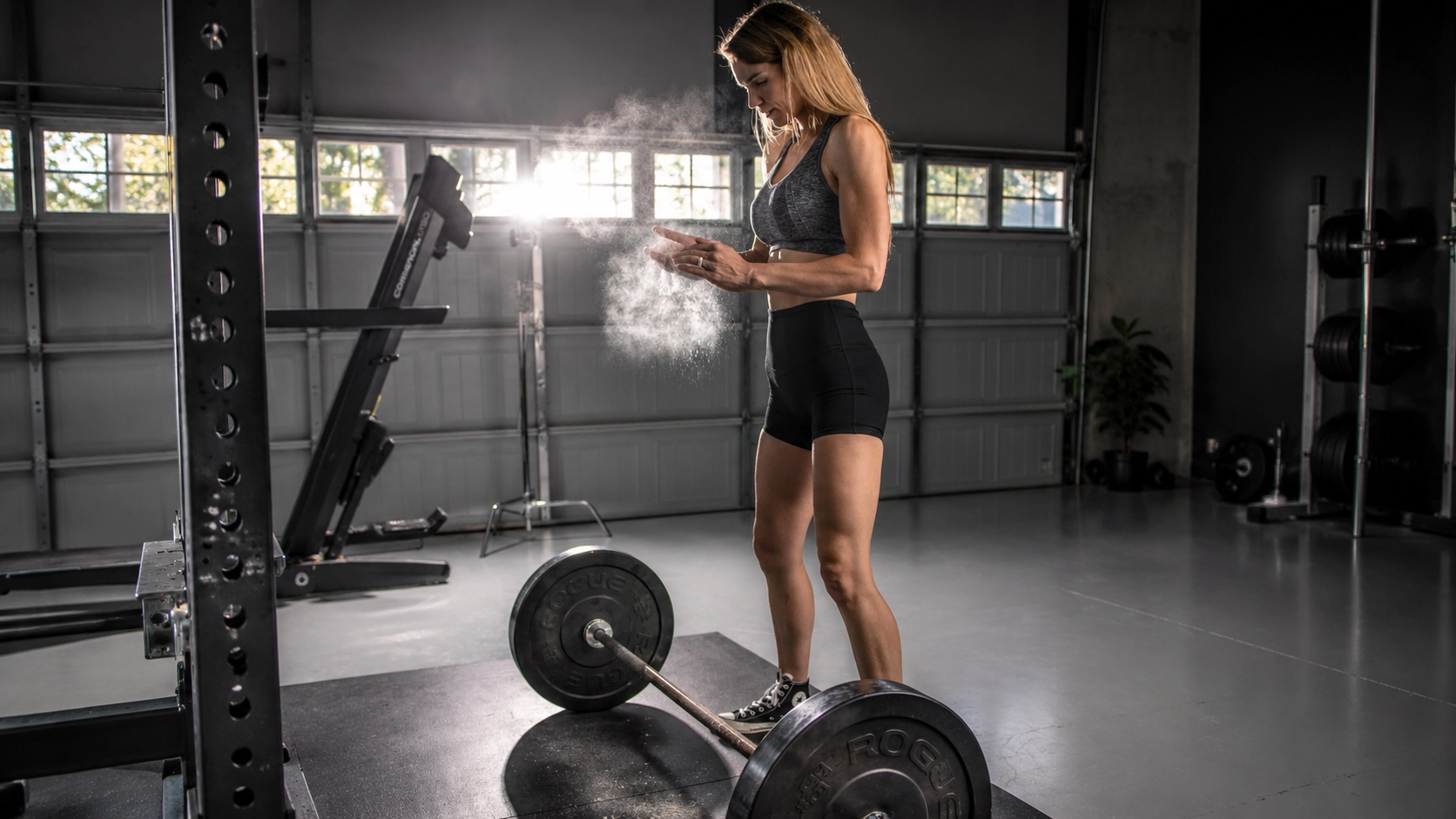
Not all gear is built for humid environments. When shopping, prioritize stainless steel components, chrome-plated finishes, and machines with sealed bearings. Cable systems with nylon-coated cables outlast bare steel cables in damp conditions.
Smith machines with heavy-duty coatings offer excellent long-term durability, and our review of the best all-in-one Smith machines under 5000 dollars features models with rust-resistant builds. For cardio, look for rowing machines with aluminum or coated steel rails since these components are constantly exposed to sweat. Our roundup of the best NordicTrack rowing machines for weight loss covers models designed to hold up in daily use.
Spending a bit more upfront on quality construction usually costs less than replacing rusted-out equipment. If you’re planning a full setup, our guide on how much you should spend on a gym home setup helps you budget for durable gear that survives humid climates.
Ongoing Inspection and Maintenance
Once a month, do a full inspection. Look for surface rust spots, bubbling paint, or discoloration, especially in hidden areas like the underside of racks and inside pulley housings. Catch problems early and treat them with a wire brush, followed by a rust converter or touch-up paint before rust spreads.
For more detailed care routines across every piece of equipment, browse our gear care category for tips tailored to specific machines and materials. Consistent maintenance beats emergency repairs every single time.
Humidity is stubborn, but rust is entirely preventable with the right habits. Control your air, wipe down every session, protect metal surfaces, and buy quality gear from the start. Your gym home will thank you by lasting decades instead of years.




Write Your Review
No reviews yet. Be the first to share your experience!