

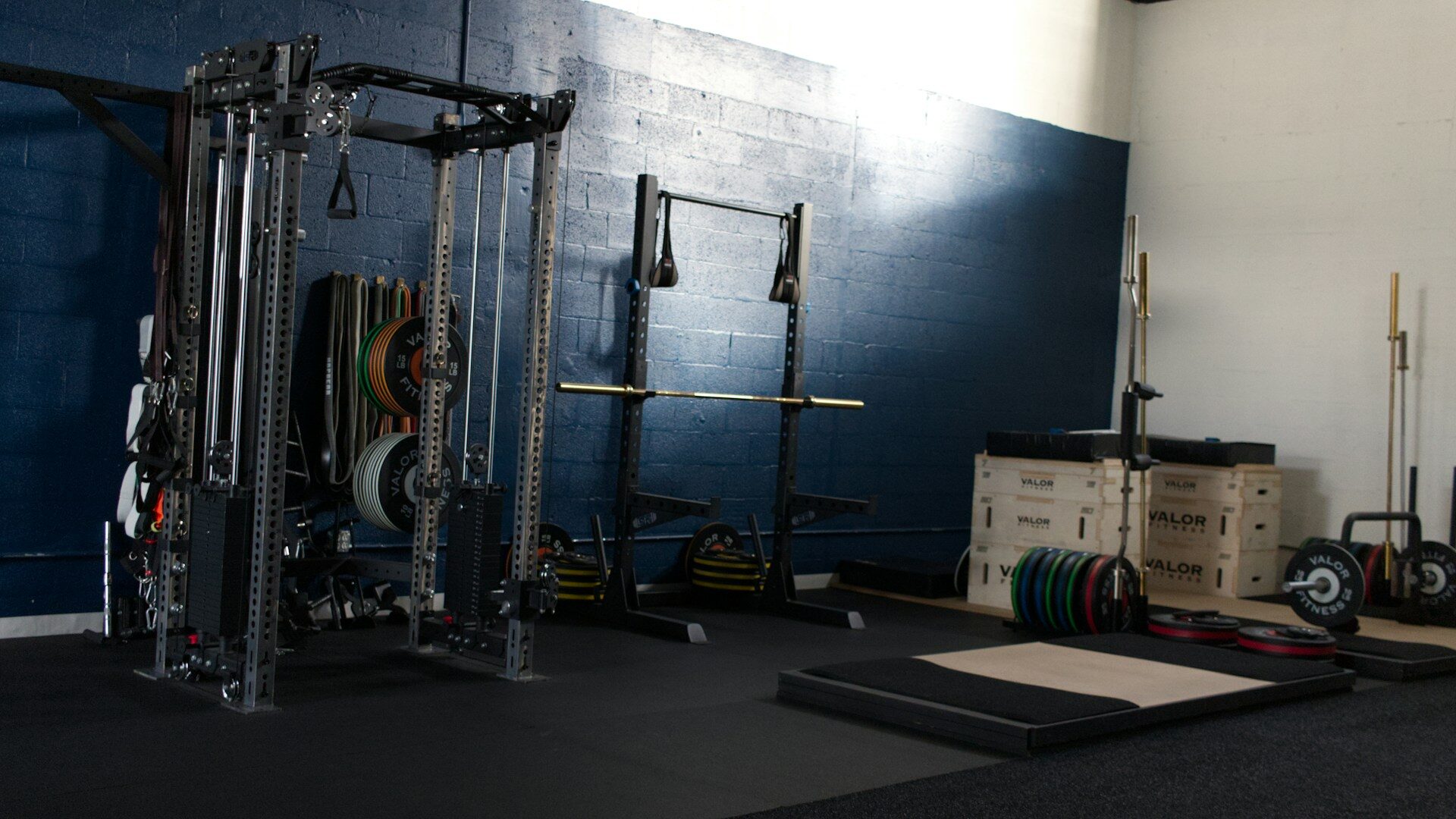
A power rack is built to hold heavy loads, but it is still a bolted frame. Every rerack, every set of pull-ups and every dropped plate sends small vibrations through the joints. Over weeks and months, that movement can let nuts and bolts back off slowly. The good news is that a rack almost always tells you before hardware becomes a real problem.
Signs Your Power Rack Bolts Are Loose
Watch and listen for these changes during normal training:
- Wobble or sway: the uprights shift when you rack the bar or kip on the pull-up bar.
- New noises: clicks, creaks or a metallic knock that was not there before.
- Uneven J-hooks: the bar sits higher on one side even though both hooks are in the same hole number.
- Visible gaps: daylight between a crossmember and an upright, or washers that spin freely.
- Shifting base: the rack walks across the floor during heavy sets.
Any one of these is a reason to stop and check the hardware before your next session.
Which Bolts Loosen First
Not every joint takes the same stress. Some spots deserve a closer look than others.
| Location | Why It Loosens | Check Priority |
|---|---|---|
| Pull-up bar crossmember | Repeated swinging and dynamic loading | High |
| Top crossmembers | Racking force travels up the uprights | High |
| Base and floor feet | Plates and bars dropped nearby | Medium |
| Attachment points (dip bars, landmine) | Off-center loads twist the joint | Medium |
| Wall or floor anchors | Constant pulling on fasteners | High, if bolted down |
How Often to Check
A simple schedule keeps this from becoming a chore:
- First two weeks after assembly: check every few sessions, since new hardware settles fastest.
- After that: a quick monthly once-over is enough for most racks.
- After moving the rack: recheck everything before loading it again.
Pair the bolt check with lubrication. Our guide on how often to re-grease a power rack fits neatly into the same routine.
How to Tighten Bolts the Right Way
Use the wrench sizes listed in your manual and work methodically:
- Unload the rack completely and remove the bar.
- Snug each bolt by hand first, then tighten in a cross pattern on joints with several bolts, so the plates pull together evenly.
- Stop when the joint is firm and the washer no longer moves. Overtightening can strip threads or crush tube walls.
- Follow any torque values in the manual if the brand provides them.
- Rack an empty bar and shake the uprights gently to confirm the wobble is gone.
When Tightening Is Not Enough
If a bolt spins without getting tighter, the threads are likely stripped. Replace that bolt and nut with the same grade and size rather than forcing it. Cracked welds, bent tubes or elongated holes are a different issue entirely. Stop using the rack and contact the manufacturer, because those are structural problems, not maintenance ones.
Check the floor too. A rack sitting on soft or uneven mats can rock even with perfect hardware, which our article on planning space for a power rack touches on.
Final Thoughts
Loose bolts are one of the easiest problems in a gym home to prevent. A few minutes with a wrench each month keeps the rack quiet, square and stable under heavy loads. Treat new wobble or noise as a reminder, not something to train through.
For more upkeep routines, browse our gear care guides.
FAQs
Is some wobble normal on a power rack?
A tiny amount can be, but new wobble is not. If the rack moves more than it did when it was new, check the hardware before your next heavy set.
Should I use thread locker on rack bolts?
Only if the manufacturer allows it. Some brands recommend it for joints that keep loosening, while others prefer regular checks so parts stay easy to remove.
Does bolting a rack to the floor stop bolts from loosening?
It reduces movement, but you still need checks. Anchoring stops the rack from walking, yet frame joints still see vibration during every session.


Write Your Review
No reviews yet. Be the first to share your experience!