
Setting a gym home budget without knowing your fitness goals is like grocery shopping while hungry: you end up with a cart full of stuff you don’t need and no plan for dinner. Your goals should drive your spending, not the other way around. Whether you’re chasing weight loss, muscle gain, endurance, or just general health, matching your budget to your actual training needs saves money and delivers better results.
Define Your Fitness Goals First
Before you look at a single price tag, get specific about what you want to achieve. “Get in shape” isn’t a goal, it’s a wish. Real goals sound like “lose 20 pounds in six months,” “bench press body weight,” or “run a 5K without stopping.” Setting simple, measurable fitness goals helps you focus your gym home spending on gear that actually moves the needle.
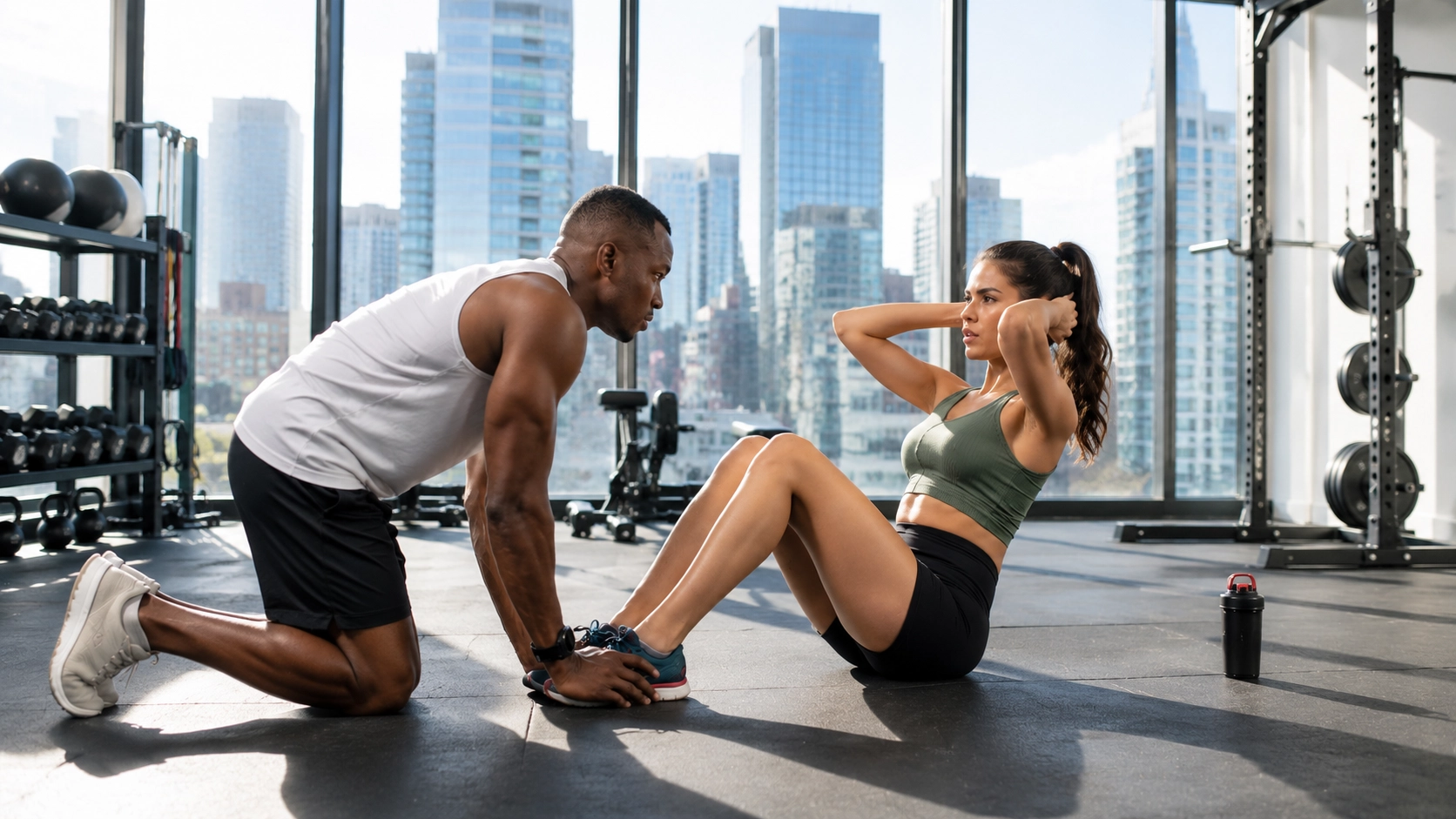
Break your goals into short-term and long-term categories. A great resource on short-term and long-term fitness goals can help you structure your thinking. Once you know what you’re chasing, your equipment list practically writes itself. A powerlifter and a marathon runner shouldn’t be shopping the same shelves.
Weight Loss and General Fitness
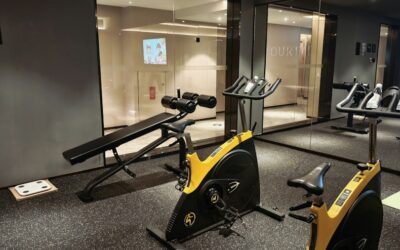
If your goal is losing weight or improving general health, most of your gym home budget should go toward cardio equipment and a few versatile strength tools. Plan to spend between 500 and 2000 dollars for a functional setup. A quality treadmill or elliptical anchors this type of gym home since consistent cardio burns calories and builds cardiovascular fitness.
Explore options in our treadmill category to compare models across price ranges. If lower impact matters to you, our review of the best elliptical machines for gym home setups under 2000 dollars covers solid options that protect your joints while still delivering serious workouts.
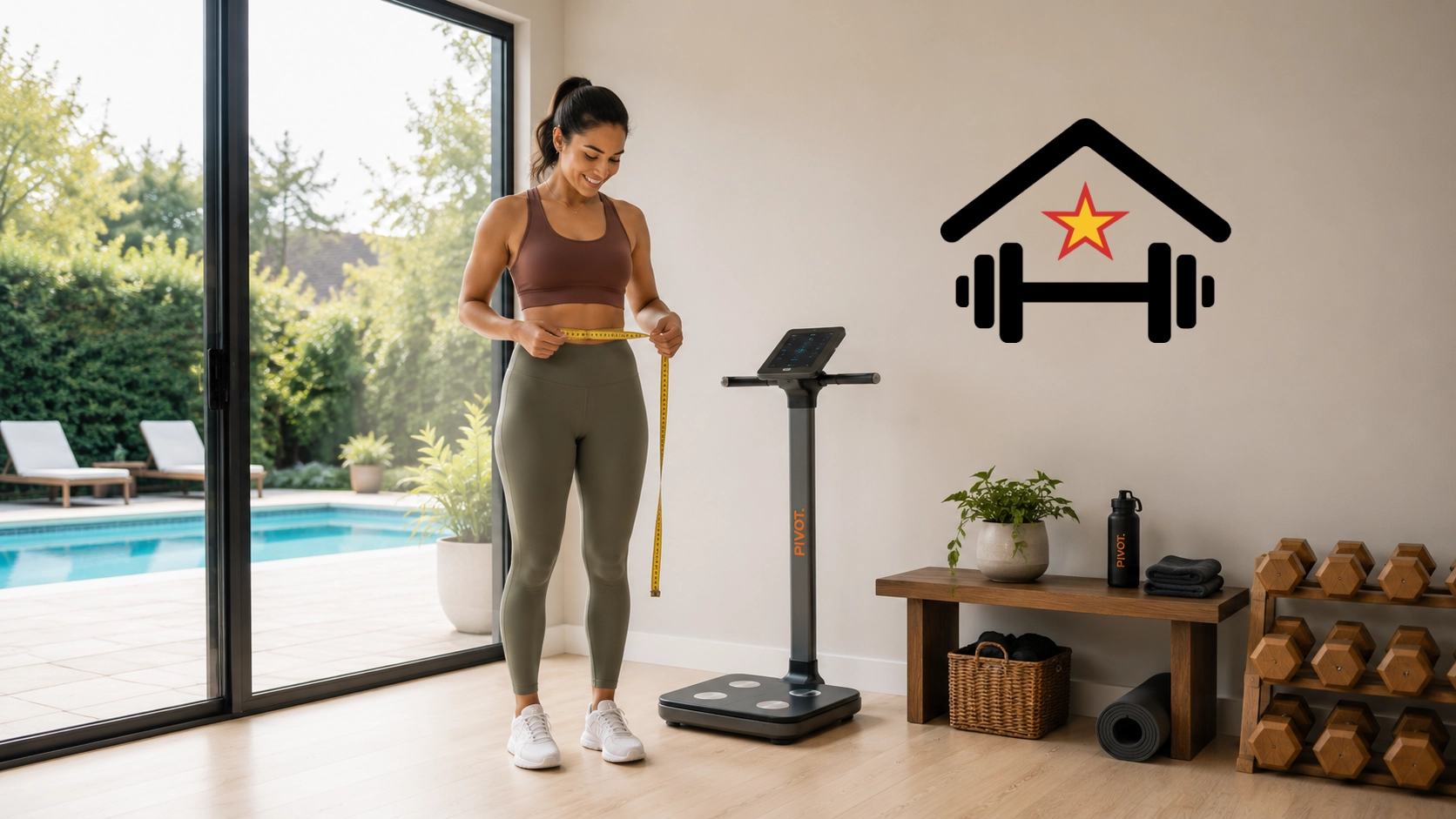
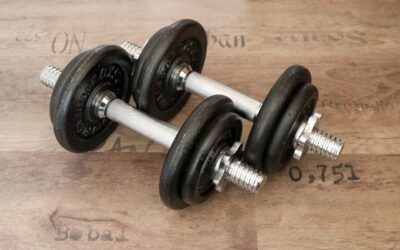
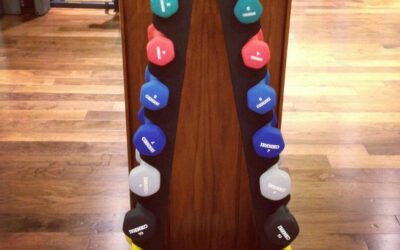
Add a set of adjustable dumbbells, a stability ball, and a resistance band kit for strength and mobility work. Track your progress with tools like our body fat calculator to see real changes beyond what the scale shows. Muscle gains often mask fat loss on the scale, so knowing your body composition matters.
Muscle Gain and Strength Training
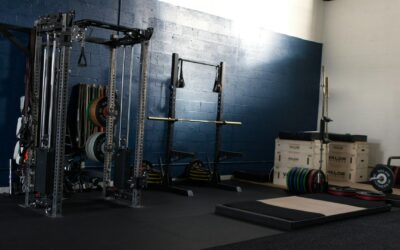
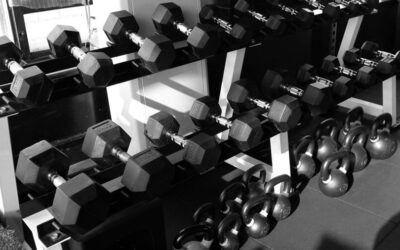
Building muscle requires a different budget allocation. Plan to spend between 1500 and 4000 dollars for a serious strength-focused gym home. Your money should go toward a solid rack or Smith machine, a barbell, weight plates, adjustable dumbbells, and a quality bench.
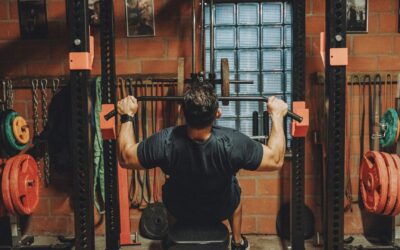
A Smith machine is a great option for solo lifters who need built-in safety, and our review of the best Mikolo Smith machines for gym home use covers models that balance performance and price. If you prefer free weights, a power rack with safety bars gives you the same protection with more versatility.
Skip fancy cardio machines at this stage. A jump rope and some sprints outside handle your conditioning while you focus your budget on iron. Use our 1RM calculator to estimate your one-rep max for any lift before choosing weight plate quantities. Buying 300 pounds of plates when your bench max is 135 is a waste, at least for now.
Endurance and Athletic Performance
If you’re training for endurance events or general athletic performance, your gym home budget should lean heavily toward cardio and mobility, with strength work as a supporting role. Expect to spend $1000 to $3000.
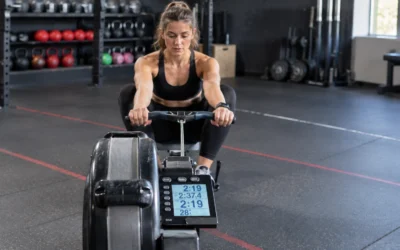
A treadmill, rowing machine, or air bike delivers the most bang for your buck. These machines translate directly to real-world endurance and can handle interval training, steady-state cardio, and recovery sessions. Round out the setup with a bench, dumbbells, and mobility tools like foam rollers and resistance bands. Athletes need strong support muscles and flexible joints, not just big biceps.
Match Equipment to Body Type and Baseline
Your current fitness level and body composition should also influence your gym home budget. Beginners don’t need premium gear; they need consistency and time. Advanced lifters and athletes benefit from investing in commercial-grade equipment that lasts and handles heavy use.
Understanding where you’re starting from helps you plan realistically. Our ideal weight calculator gives you a target range based on height and frame, which helps you set achievable goals rather than chasing arbitrary numbers. Combined with your other baseline metrics, you can build a gym home that meets you where you are and grows with your progress.
Smart Budget Allocation Tips
Regardless of your specific goals, a few principles apply universally to any gym home build:
- Spend 60 percent on anchor equipment: The one or two big pieces you’ll use every session deserve the biggest chunk of your budget.
- Save 20 percent for accessories: Bands, mats, jump ropes, and mobility tools add versatility without breaking the bank.
- Keep 20 percent flexible: Reserve funds for unexpected needs like flooring, storage, or upgrades once you know what you use most.
Avoid buying everything at once. Start with your essential goal-based gear, train consistently for a few months, then add pieces based on real needs rather than hypothetical ones. That fancy cable machine sounds great until it becomes a coat rack.
The right gym home budget isn’t about spending the most or the least. It’s about spending intentionally on gear that supports the goals you actually care about. Get clear on what you want, buy accordingly, and watch your investment pay off in real results.

Write Your Review
No reviews yet. Be the first to share your experience!