
Protein advice ranges from “the RDA is plenty” to “you need 300 grams a day or you’re wasting your time,” which is not helpful when you’re standing in a grocery store. The actual number is well established in research and considerably lower than supplement marketing suggests. It’s also higher than most people casually eat. Here’s what the evidence supports and how to hit it without eating chicken breast at every meal.
The Number That Actually Matters
For building muscle, research consistently lands around 0.7 to 1 gram of protein per pound of body weight per day. For a 160-pound person, that’s roughly 110 to 160 grams.
Going higher doesn’t hurt, but it stops helping. Studies pushing intake well above 1 gram per pound show no additional muscle gain, just more expensive urine. Stanford Medicine notes that protein needs vary meaningfully with age, activity level, and health status, so the range exists for a reason rather than being a single universal figure.
If you’re carrying significant excess weight, calculate from your target weight rather than current weight, since fat mass doesn’t require protein to maintain. Our ideal weight calculator gives you a sensible figure to base the math on.
Adjust for Your Situation
The range isn’t arbitrary. Where you land within it depends on a few factors.
| Situation | Target (g per lb) | Why |
|---|---|---|
| Beginner, gaining weight | 0.7 | Calorie surplus does much of the work |
| Training hard, maintaining | 0.8 to 0.9 | Standard muscle-building range |
| Cutting calories | 1.0 | Higher intake protects muscle in a deficit |
| Over 50 | 0.9 to 1.0 | Reduced anabolic response with age |
| Very lean, advanced | 1.0 | Less room for error |
Notice that cutting requires more protein, not less. That’s counterintuitive to a lot of people, but a calorie deficit is when your body is most likely to break down muscle, and protein is what prevents it.
Timing Matters Less Than You’ve Been Told
The “anabolic window” panic about eating within 30 minutes of training has been thoroughly walked back. Total daily intake is what drives muscle growth. If you train fasted and eat two hours later, nothing bad happens.
That said, distribution does have a modest effect. Spreading protein across three to four meals of roughly 30 to 40 grams each appears slightly more effective than eating 150 grams at dinner. Each feeding triggers muscle protein synthesis, and there’s a ceiling to how much any single meal stimulates.
Practically: aim for a solid protein source at every meal rather than obsessing over the clock. That’s the whole strategy.
Hitting the Target Without Suffering
Most people undershoot because they underestimate how little protein is in things they think of as protein foods. A cup of milk has 8 grams. A tablespoon of peanut butter has 4.
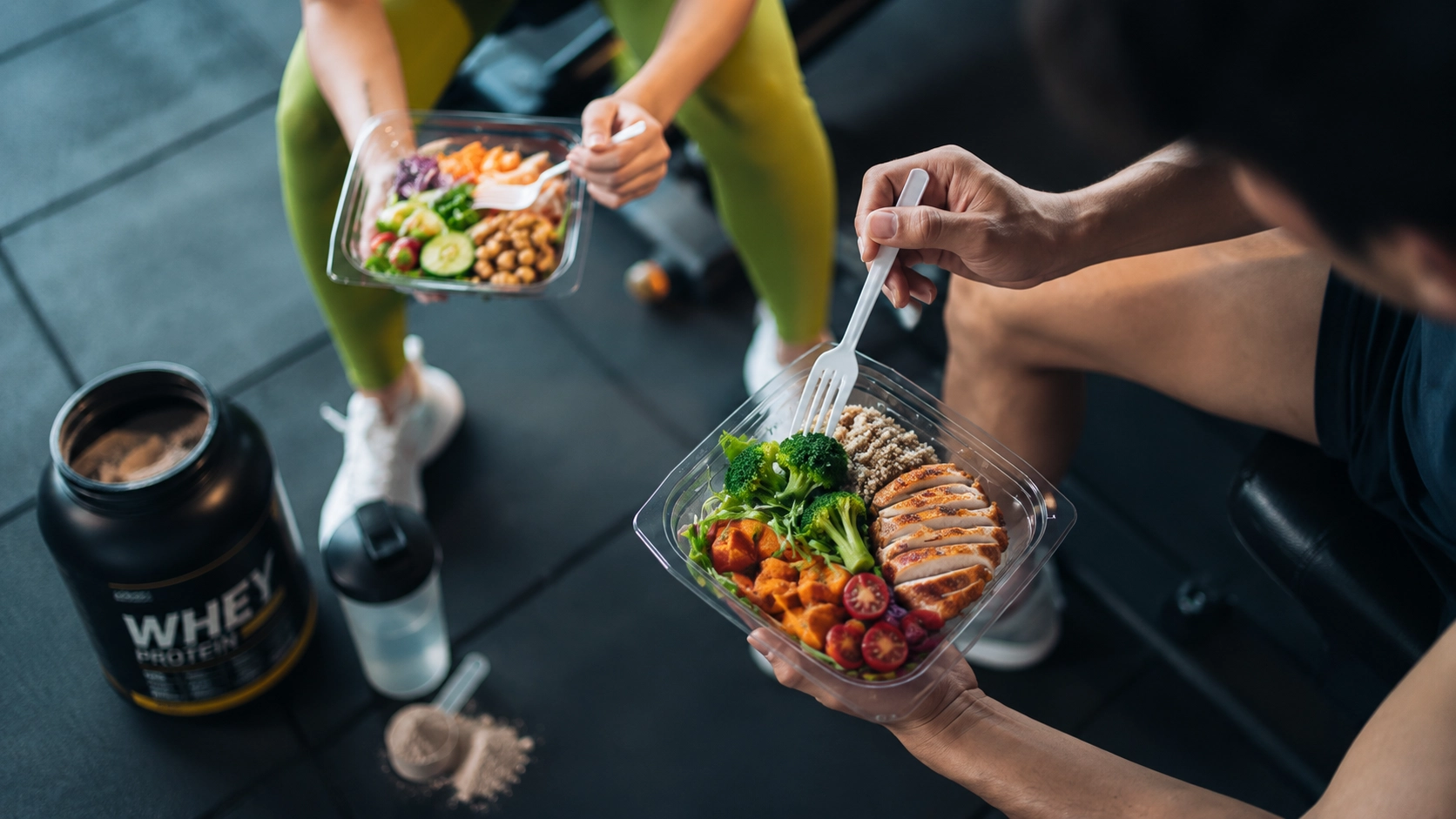
- Anchor every meal: Eggs, Greek yogurt, chicken, fish, lean beef, tofu, or cottage cheese. Build the plate around it.
- Use Greek yogurt and cottage cheese: Roughly 20 to 25 grams per cup with minimal effort.
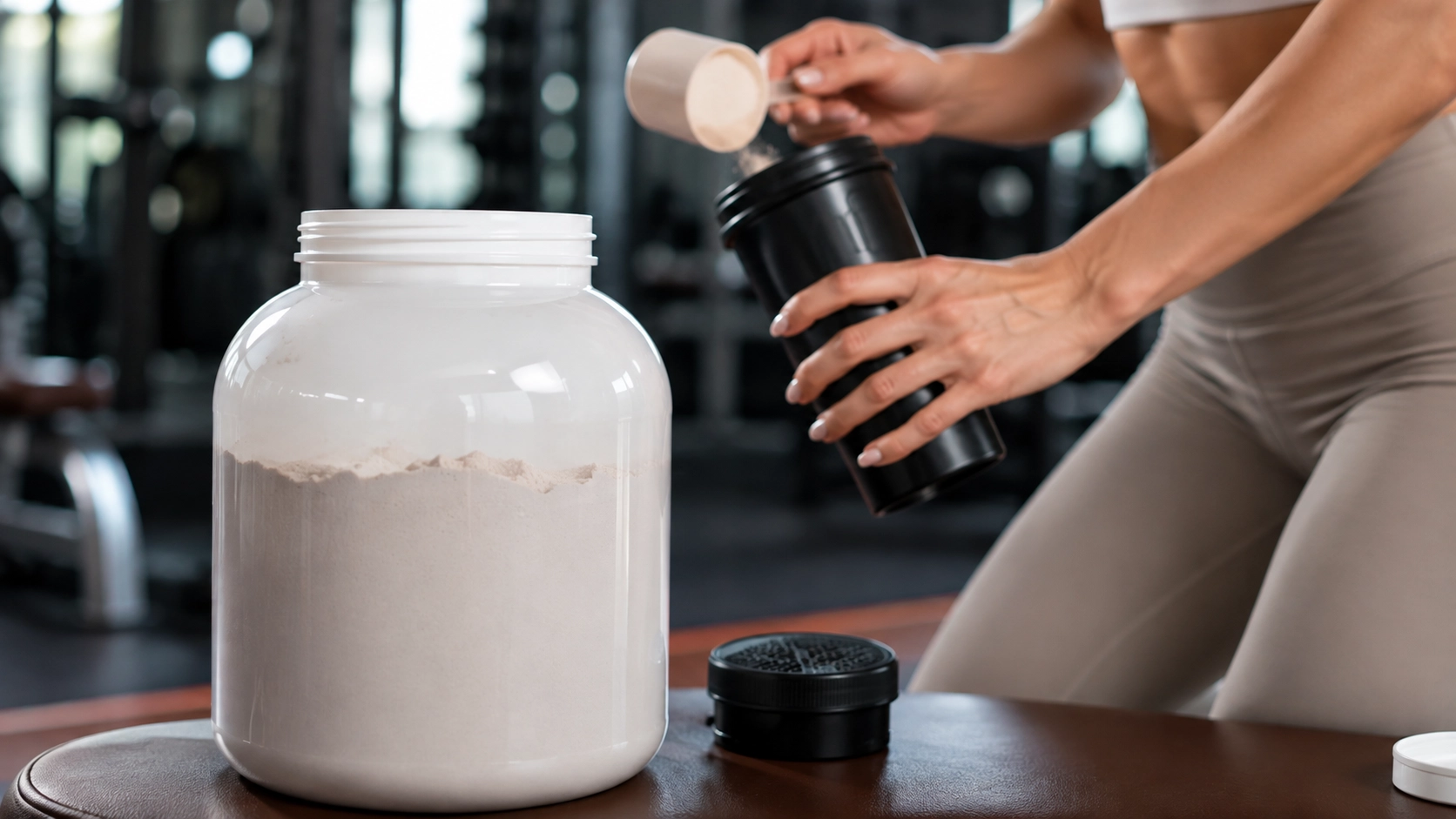
- Add a shake if needed: One scoop covers 20 to 25 grams. Useful for filling gaps, not for replacing meals.
- Don’t ignore plant sources: Lentils, edamame, and tempeh contribute meaningfully across a day.
- Track for one week only: Most people are shocked by the gap, then never need to track again.
That last one is the highest-value tip in this article. A single week of honest tracking teaches you what 130 grams actually looks like, and after that you can eyeball it indefinitely.
Fit Protein Into Your Total Intake
Protein doesn’t work in isolation. You need enough total calories to build muscle, and enough carbohydrate to train hard enough to stimulate growth in the first place.
Start with your baseline. Our BMR calculator gives you resting expenditure, and our TDEE calculator factors in activity to produce a daily target. Eat 200 to 400 calories above that to build, keeping protein fixed at your chosen number and adjusting carbs and fats around it.
Carbohydrate quality affects training energy more than most lifters realize, and our net carbs calculator helps sort out what’s actually contributing. To track whether you’re gaining muscle rather than just weight, our body fat calculator is more useful than the scale alone.
Protein Without Training Does Nothing
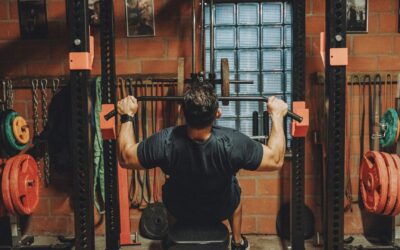
Worth stating plainly: protein is the raw material, not the signal. Without resistance training telling your body to build muscle, extra protein is just extra calories.
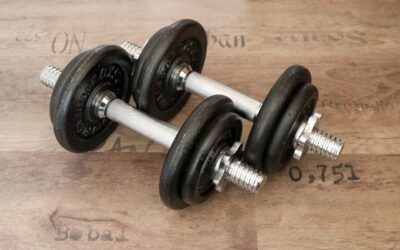
Three solid strength sessions a week is enough to drive real growth. Our dumbbell-only full-body workout plan covers a program that needs almost no equipment and pairs well with a proper protein intake.
If you’re also doing conditioning, keep it controlled so it doesn’t eat into recovery. Our HIIT treadmill workout guide covers protocols that add conditioning without undermining muscle gain.
Pick a number in the 0.7 to 1 gram per pound range, put a protein source on every plate, and track for one week to calibrate. That’s the entire job, and it’s considerably less complicated than the supplement aisle would have you believe.

Write Your Review
No reviews yet. Be the first to share your experience!