

Remote work is here to stay, and so is your growing pile of workout gear. Instead of choosing between a productive office and a functional gym home, why not build a space that does both? A well-designed hybrid setup lets you crush deadlines and lift heavy in the same room, without either function getting in the way of the other. Here’s how to combine them without the space turning into a chaotic warehouse.
Why Combine Your Office and Gym Home
A dedicated home office and a separate gym home are luxuries most people don’t have room for. Combining them makes practical sense: you save square footage, reduce clutter across your house, and eliminate the “I don’t have time to go work out” excuse. Your equipment sits right there, quietly judging you every time you skip a session.
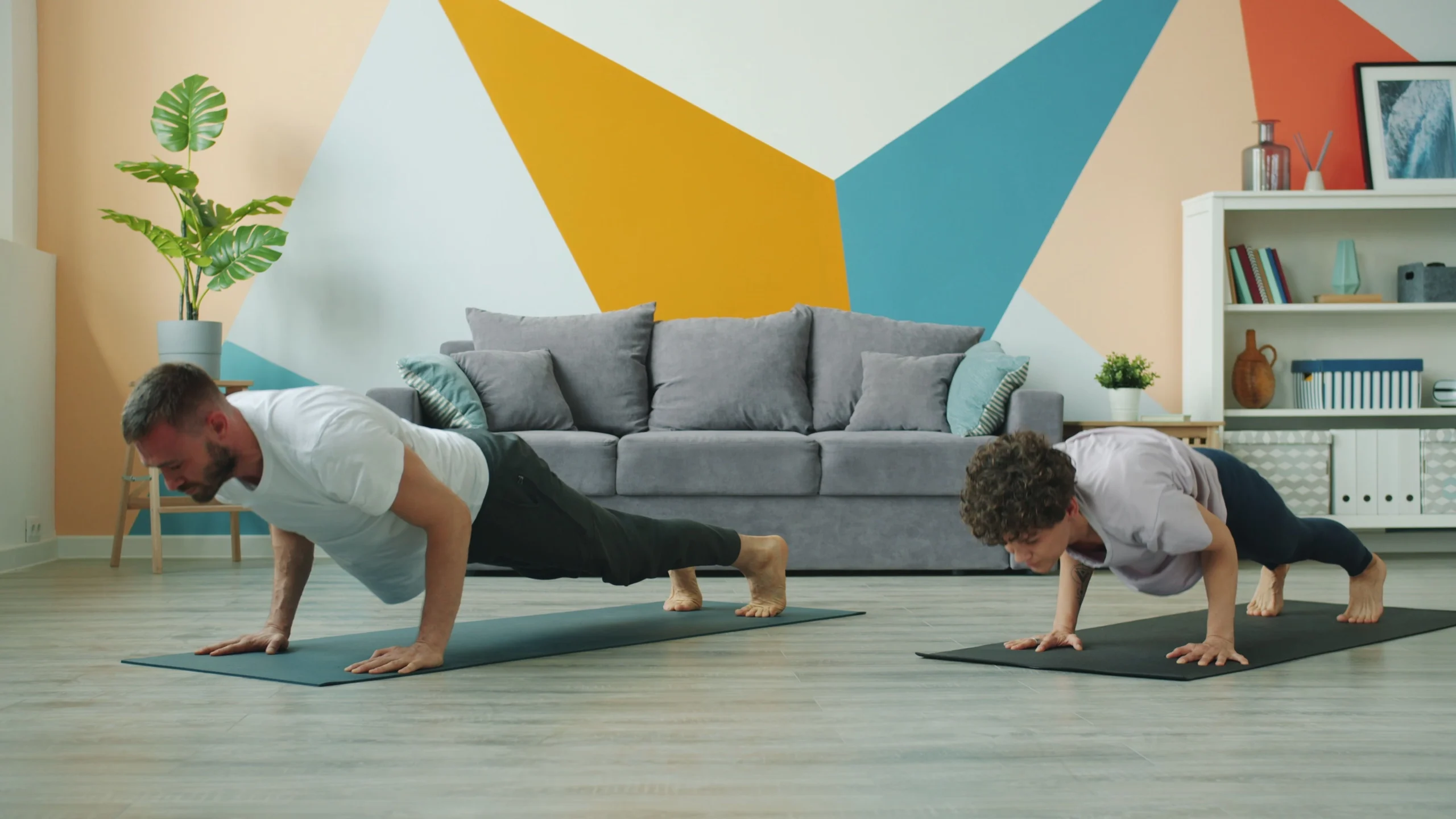
Beyond space savings, a combined setup encourages micro-workouts throughout the day. Ten minutes of resistance bands between meetings or a quick pedaling session during a long call adds up faster than you’d think. Movement stops being a scheduled event and becomes part of how you work.
Plan Your Layout for Both Work and Workouts
Good design starts with honest measurement. Sketch your room and mark where your desk, chair, monitor, and cables need to live. Then identify what floor space remains for equipment. Most hybrid setups follow one of two layouts:
- Zoned layout: Divide the room into a work half and a workout half. Best if you have 150+ square feet and want visual separation between focus and fitness.
- Integrated layout: Blend both functions using foldable and modular equipment. Best for smaller rooms where every piece has to earn its footprint.
Lighting matters more than most people realize. Position your desk near natural light for work, and leave overhead space clear for exercises like overhead presses or jump rope. Cable management keeps the space from looking like a tech-store dumpster after a hurricane.
Foldable and Compact Equipment That Saves Space
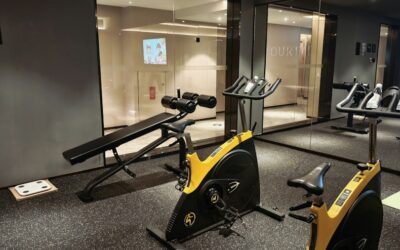
The heart of any hybrid gym home is equipment that disappears when not in use. Foldable benches are essential since they collapse against a wall between sessions. Our review of the best foldable weight benches covers models that offer full functionality when open and take up minimal space when stored.
If you don’t need to fold, but want serious adjustability, check our list of the best adjustable weight benches under 500 dollars. These offer multiple angles for pressing, rowing, and incline work without occupying a huge footprint. Choose gear based on your actual training style, not what looks cool on Instagram.
Small-Footprint Strength and Cardio
Even in tight rooms, you can fit real strength training equipment. A compact power rack anchors your setup and handles squats, presses, pull-ups, and more. Our roundup of the best power racks for small spaces highlights models with narrow footprints that still support serious loads.
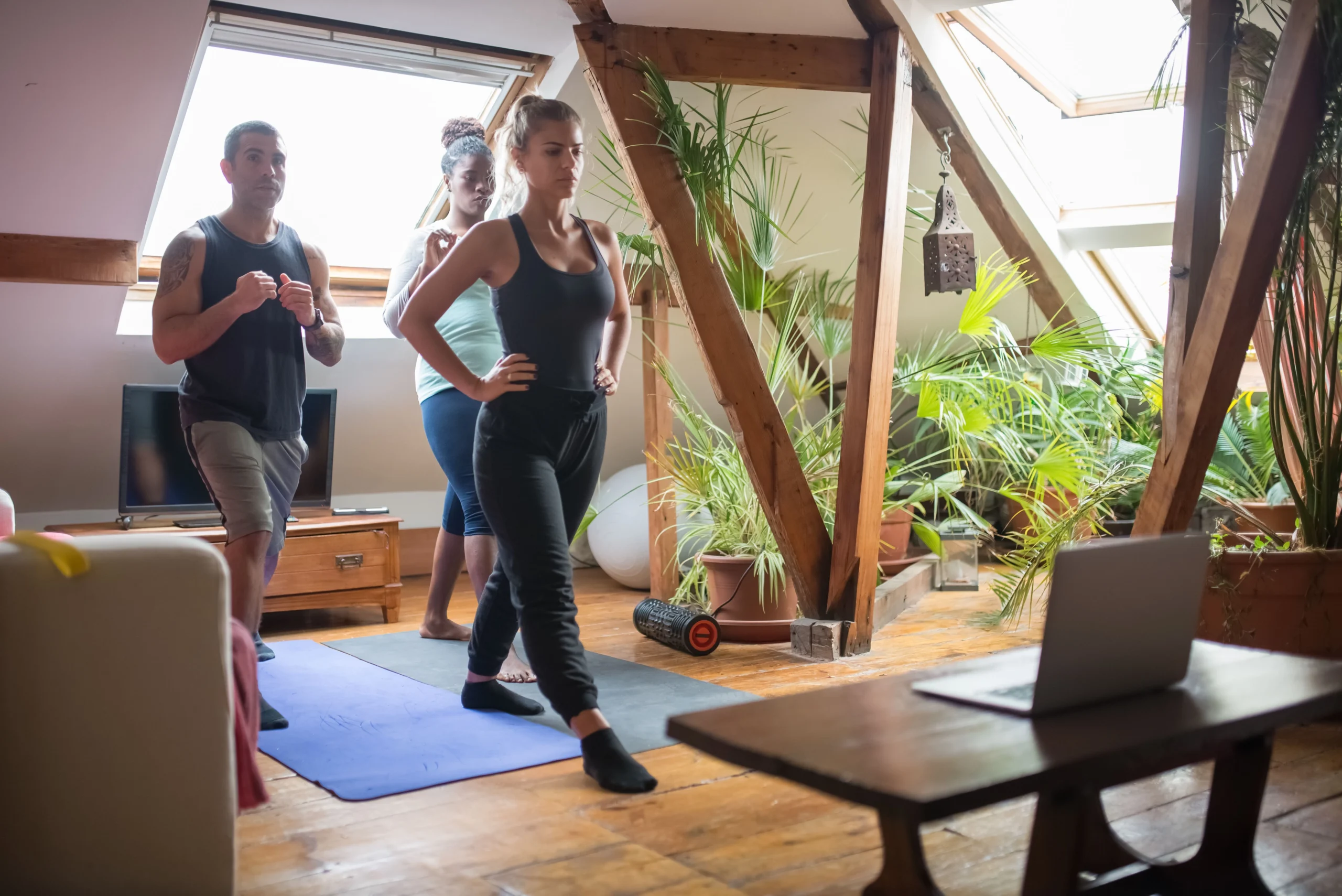
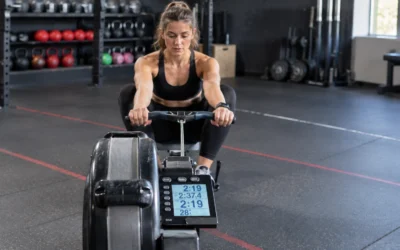
For cardio, look for machines that store easily or serve double duty. Rowing machines are excellent choices since many fold vertically for storage between sessions. Our review of the best rowing machines for beginners under 300 dollars covers affordable options that deliver a full-body workout in a compact package. Under-desk pedal machines and jump ropes round out cardio options without dominating the room.
Rubber flooring under your equipment area protects both the floor and your neighbors’ sanity if you live upstairs. It also creates a clear visual separation from your office zone.
Build Movement Into Your Workday
The whole point of combining spaces is making fitness effortless. Set small movement goals that fit around your work schedule. A 5-minute mobility break every hour, a set of pushups between calls, or 10 minutes on the rower before lunch adds up to real fitness gains over weeks.
Use our calories burned calculator to see how those small sessions accumulate throughout the day. Most people are shocked at how much they can burn just by breaking up sedentary time with brief movement bursts. According to NHS physical activity guidelines for adults, aiming for 150 minutes of moderate activity per week is enough to significantly improve your health. A hybrid space makes hitting that target much easier.
Track what actually works for your schedule and adjust as you go. For more insights and layout inspiration, explore our gym home insights hub, where we cover design, training, and equipment strategy in depth.
A well-designed hybrid space isn’t about compromise; it’s about intentional overlap. When your desk and your dumbbells share a room by design rather than by accident, both your work and your workouts improve. The best gym home is the one you’ll actually use, and putting it inches from where you already spend your day is one of the smartest moves you can make.



Write Your Review
No reviews yet. Be the first to share your experience!