

Garage gym homes are the ultimate combination of freedom and challenge. You get plenty of space, no neighbors complaining about dropped weights, and total control over your setup. The catch? Your equipment sits at the mercy of every season, from summer heat waves to winter freezes. Without seasonal maintenance, your beloved gear won’t last nearly as long as it should.
Why Garage Gym Homes Need Seasonal Care
Unlike a climate-controlled indoor room, garages experience wild temperature swings and humidity changes throughout the year. Average annual temperatures across US states vary from freezing winters in the Midwest to scorching summers in the Southwest, and your garage tracks those extremes closely. Metal contracts in cold and expands in heat, which loosens bolts, stresses welds, and eventually leads to damage.

Humidity fluctuations bring their own problems. Condensation forms on cold metal when warm air rolls in, causing rust and electronic damage. A seasonal care routine helps you get ahead of these problems before they turn into expensive repairs.
Spring: Recover from Winter and Prep for Humidity
Spring is the perfect time to reset your gym home after months of cold storage. Start by inspecting every piece of equipment for signs of winter damage: rust spots, cracked rubber, stiff cables, or brittle plastic. Wipe down all surfaces thoroughly, tighten every bolt, and re-lubricate moving parts that may have dried out during cold months.
As temperatures rise, so does humidity in many regions. Rust becomes your biggest enemy from spring through summer, and our guide on how to prevent rust on gym home equipment in humid climates walks through specific steps that apply to garage setups too. Consider adding a dehumidifier if your garage tends to feel muggy.
Summer: Fight Heat and Sweat Buildup
Summer heat pushes garage temperatures well above what’s comfortable for workouts and hard on equipment. Historical temperature data shows how quickly indoor spaces without HVAC can climb during heat waves, and garages often exceed outside temperatures by 10 to 20 degrees.
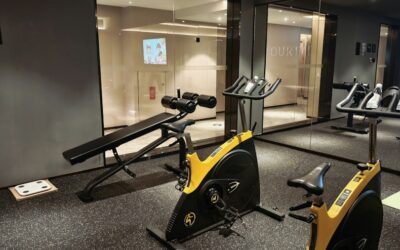
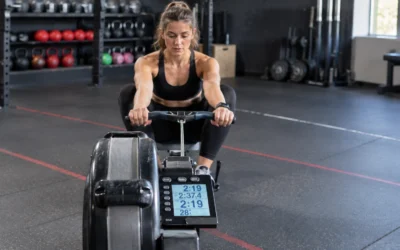
Add fans, open the garage door during workouts, and consider a portable AC unit if you train regularly. For electronic equipment, heat is especially damaging. Treadmills, exercise bikes, and rowers with digital displays can overheat and shorten their lifespan. Our list of the best high-performance NordicTrack treadmill machines covers models with robust cooling systems that handle demanding conditions better than budget alternatives.
Wipe down equipment after every session, since sweat combined with heat accelerates corrosion and damages upholstery.

Fall: Prepare for Cold and Moisture
Fall is your last chance to fix problems before winter locks in. Do a full deep clean, apply protective coatings to bare metal, and check that any electronic equipment is stored in the driest, most stable part of your garage.
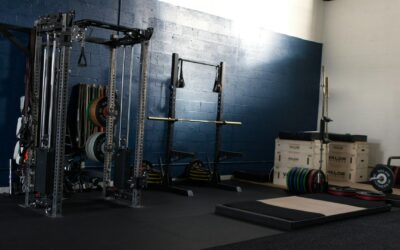
Cover machines with breathable fabric to protect against dust and moisture, but never plastic tarps that trap condensation. Pay extra attention to the bases of power racks and Smith machines, since these sit on concrete floors that can wick moisture upward. Our roundup of the best power racks with complete setup under 3000 dollars highlights models with quality coatings that handle seasonal moisture better over the long term.
Rubber mats or interlocking foam tiles create a moisture barrier between concrete and your gear. Check them for wear and replace any damaged pieces before winter.
Winter: Protect Equipment from Freezing Temperatures
Cold weather is brutal on garage gym homes. Below-freezing temperatures make rubber brittle, lubricants thicken, and metal contract enough to loosen fasteners. Space heaters help, but never leave them unattended near equipment or flammable materials.
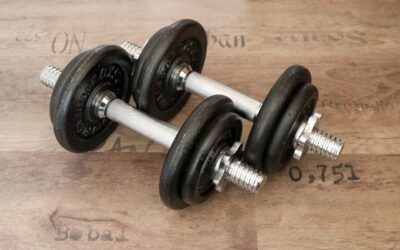
Warm up your equipment before intense use in cold weather. Pull barbells and dumbbells inside for an hour before training if temperatures are severe. Cold steel is harder on your hands, and cold rubber can crack under sudden load. Our list of the best Titan Fitness barbells under 400 dollars features models built with durable coatings that hold up better through winter cycles.
Lubricate all moving parts before the first hard freeze, and consider swapping to a lighter-weight lubricant since heavier oils can gum up in cold conditions. Store any electronics that aren’t in daily use indoors during the coldest months.

Year-Round Habits That Save Your Investment
Regardless of season, a few consistent habits protect your gym home long term. Wipe down equipment after every workout, check bolts monthly, and inspect for wear quarterly. Keep a small maintenance kit in your garage with wrenches, lubricant, microfiber cloths, and touch-up paint.
Investing in quality equipment pays off over years of seasonal stress. Our guide on how much you should spend on a gym home setup helps you balance cost against durability so your gear survives whatever your climate throws at it. For deeper care routines across specific machines, our gear care category covers everything from cable systems to treadmill decks.
Garage gym homes take a bit more effort than indoor setups, but the payoff is a training space that’s uniquely yours. Stay ahead of the seasons, and your equipment will keep performing through decades of hard workouts.



Write Your Review
No reviews yet. Be the first to share your experience!