

Everyone buying their first weight bench checks the weight capacity, checks the price, and orders. That is the mistake. Capacity numbers on cheap benches are measured under static load, not the dynamic force of a heavy dumbbell press or a barbell bounced off your chest, and that gap is where benches fail.

Static Rating Is Not What You Think It Is
A bench rated for 600 pounds sounds bulletproof. That number usually reflects a slow, evenly distributed static load, not a 185 pound bench press where the bar decelerates and reverses direction under your control. Dynamic force during a heavy set can exceed your working weight by 20 to 40 percent at the bottom of the rep.
This is why a bench rated for 600 pounds can still creak, flex, or shift under a 225 pound bench press. The padding, frame gauge, and hinge points matter more than the number on the box. Reviewed options like these adjustable weight benches under 200 dollars list actual working capacity rather than a marketing ceiling, which is what you should be comparing.
Adjustability Is Where People Overspend or Underspend
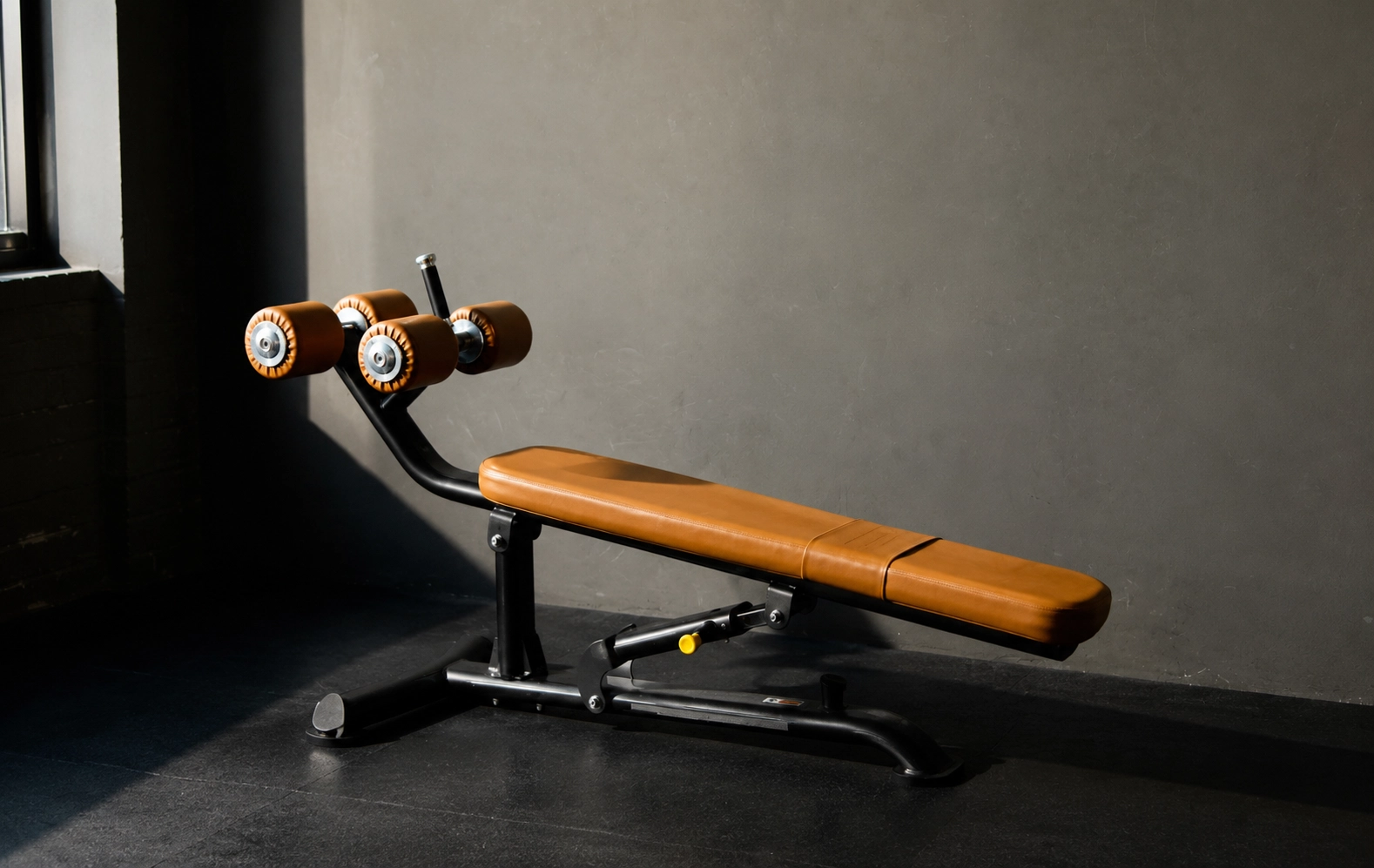
Flat benches are cheapest and most stable, but you lose incline pressing, seated shoulder work, and a dozen other movements. Fully adjustable benches with 5 to 7 back positions cost more and flex slightly more at the pivot point, which matters at heavier weights.
| Bench Type | Price Range | Best For |
|---|---|---|
| Flat only | $80 to $150 | Heavy pressing, small space |
| Adjustable | $150 to $300 | General use, most lifters |
| Leg attachment combo | $200 to $400 | Full lower body without a rack |
If your training is mostly heavy flat pressing, a rigid flat bench outperforms an adjustable one at the same price point. Movement variety is what adjustability buys you, not strength.
The Leg Attachment Question
Leg extension and curl attachments look like a two-for-one deal, and sometimes they are. The catch is pivot quality. A loose or squeaky pivot under 40 pounds of resistance turns into a real problem at 90, and the difference between a good and bad attachment rarely shows in product photos.
Benches like these weight benches with leg extension under 200 dollars work fine for light accessory work but were not built for heavy quad training. If leg extensions are a real part of your program, not an occasional add-on, a combo unit built for more load, like these weight benches with leg extension and curl from 200 to 400 dollars, holds up considerably longer.
Folding Convenience Costs You Stability
Every folding hinge is a point of flex that a fixed-frame bench does not have. For most lifters this is invisible. For anyone pressing over 200 pounds, a folding bench can feel noticeably less planted mid-set, particularly on the incline settings.
If floor space is the deciding factor, that tradeoff is usually worth it. A foldable weight bench that stores against a wall gets used more often than a fixed bench crammed in a corner, and a bench you actually use beats a stiffer one gathering dust.
Specialty Benches Are Rarely a Beginner’s First Purchase
Here is the contrarian point. A preacher curl bench is a good piece of equipment and a poor first purchase. It isolates one movement extremely well and does almost nothing else, which makes it the wrong place to spend your first $200 to $500.
Buy an adjustable flat-to-incline bench first. It covers presses, rows, step-ups, and core work. Add a preacher curl bench later once your main lifts and equipment budget are settled, not before.
Set your total budget before you shop for any single bench, since this is one piece of a larger setup. This guide on how much to spend on a gym home setup and this approach to setting a gym home budget based on your fitness goals both help you decide what share of that budget the bench actually deserves.


Write Your Review
No reviews yet. Be the first to share your experience!