
Rowing machines range from $150 to $2,000, and the spec sheets make them look far more different than they actually are. Most of the price gap comes from resistance type, frame length, and monitor quality. Only one of those three decides whether the machine works for your body. Here is what to check, in order of importance.
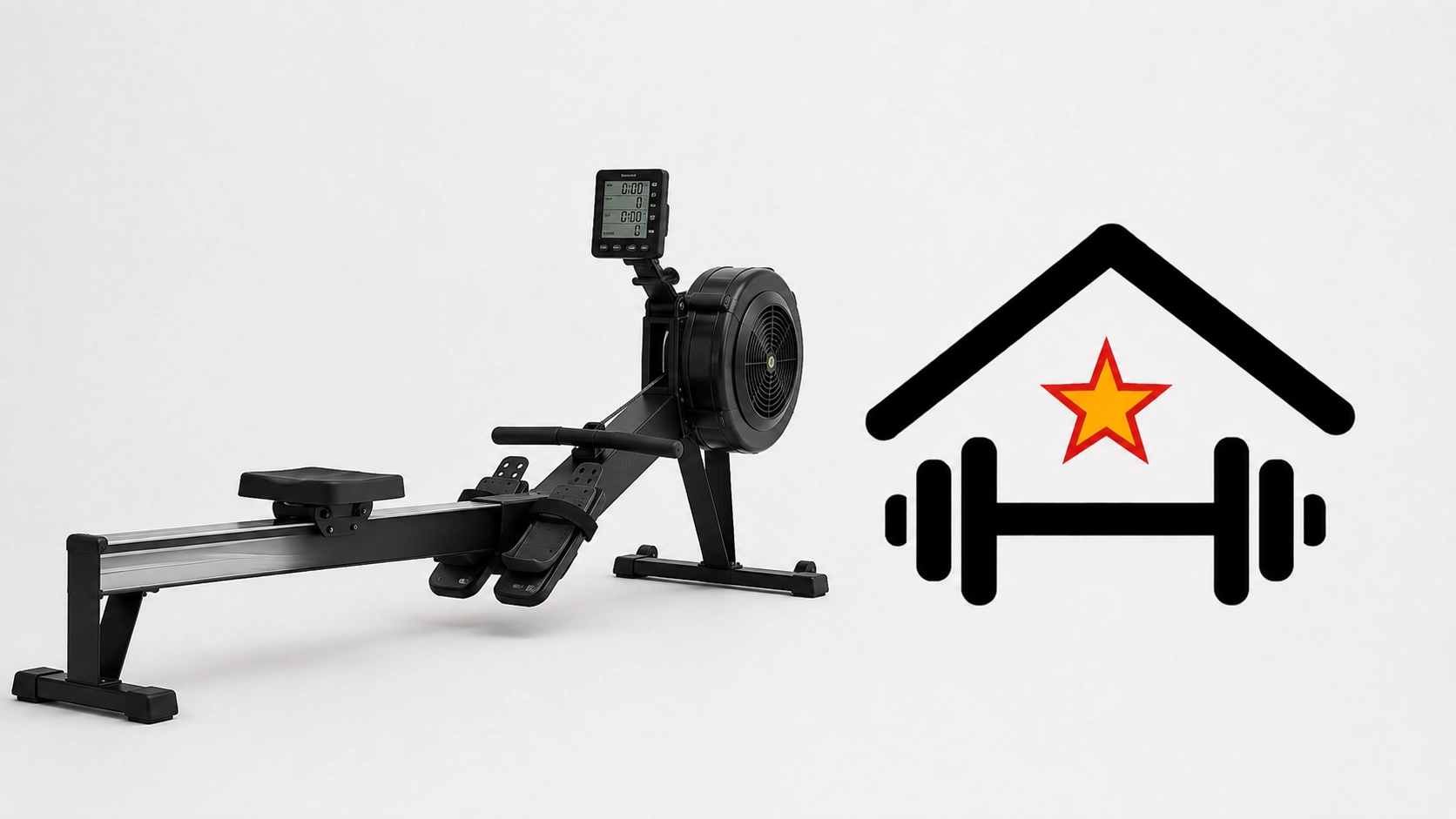
Rail Length Comes Before Everything Else
A rower that is too short for your legs is unusable, no matter what it cost. At full leg extension, the seat needs room to travel past your hips without hitting the end stop, and short rails cut that stroke off early.
Measure your inseam before you shop. Most compact rowers accommodate an inseam up to roughly 32 to 34 inches, which covers people up to about 6 feet tall. Taller users should look for a rail length of 48 inches or more, or a listed maximum inseam of 36 inches plus. If a listing gives neither number, assume it was built for average height and skip it if you are well above that.
Seat height matters too. Seats sitting 14 to 20 inches off the floor are easier to get on and off, which counts more than people expect after a hard interval session.
Resistance Type Decides Feel and Noise
| Type | Feel | Noise | Typical Price |
|---|---|---|---|
| Magnetic | Smooth, consistent | Very quiet | $150 to $600 |
| Air | Scales with effort | Loud | $300 to $1,000 |
| Water | Closest to real rowing | Moderate swoosh | $500 to $1,500 |
| Hydraulic | Choppy, limited | Quiet | $100 to $250 |
Air resistance is the training standard because the harder you pull, the harder it pushes back, which makes intervals feel honest. It also sounds like a leaf blower. If you share walls or train while others sleep, quiet rowing machines under 200 dollars with magnetic resistance solve that problem at a fraction of the cost. If noise is not a concern, air rowing machines for home under 400 dollars give you the most responsive stroke per dollar.
Hydraulic piston rowers are the one type worth avoiding for serious use. The stroke is short, resistance fades as the oil heats up, and they do not really replicate rowing at all.
Footprint and Storage
A full-size rower is about 8 feet long and 2 feet wide, and you need another foot or so behind it for the handle return. That is more floor length than most people expect.
Check whether the machine folds or stands upright. Upright storage reduces the footprint to roughly 2 by 2 feet, which is often the difference between a rower that stays set up and one that goes back in the box. Weight matters here too: a 60 pound frame on transport wheels is easy to stand up, while a 120 pound water rower is not something you move daily. Browsing the full rowing machine lineup by storage type narrows the options fast in a small room.
Monitors, Programs, and Weight Loss Features
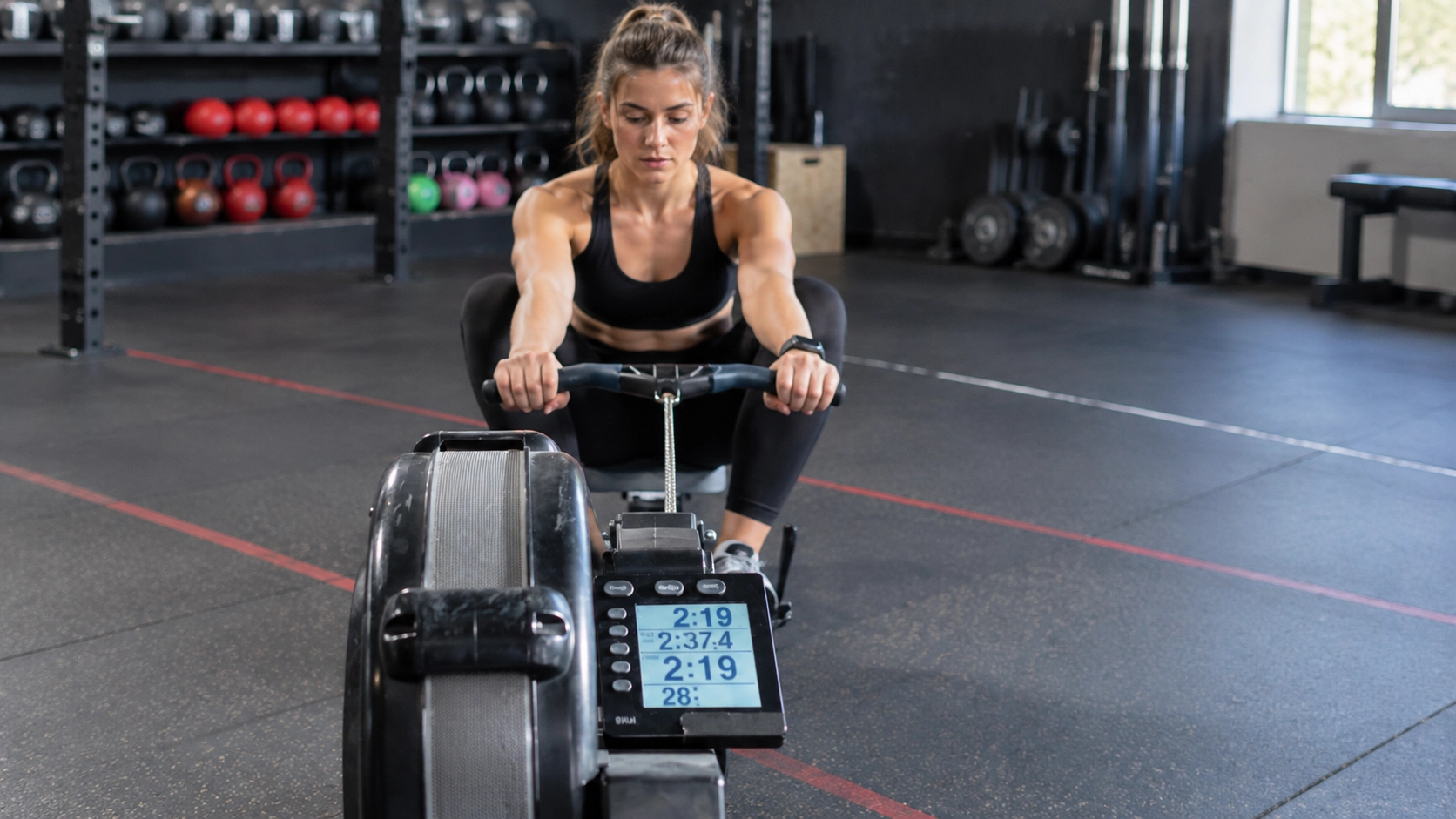
A basic monitor showing time, distance, stroke rate, and 500 meter split is all the data you need to train well. Split time is the key number, because it lets you compare sessions accurately.
Calorie readouts on cheaper consoles are often estimates rather than measurements, so use them for trends, not as a food budget. Structured programs and heart rate pairing earn their cost if you want guided workouts without planning them yourself, which is where rowing machines for weight loss under 1000 dollars tend to separate themselves. They add convenience, not a better stroke.
What You Do Not Need to Pay For
Here is the honest part. For the first year of training, a well-built $300 magnetic rower delivers nearly the same workout as a $1,200 water rower. Your body cannot tell the difference between resistance types nearly as well as the marketing suggests.
The upgrades that genuinely matter are a longer rail, a smoother seat carriage, and a sturdier frame. Wood finishes, touchscreens, and subscription content mostly do not. If you are weighing where the real gaps sit, this breakdown of lower tier versus higher tier gym equipment covers which upgrades hold up over years of use.
Rowers also land on regret lists when bought before a cardio habit exists, a pattern covered in this piece on the gym equipment everyone regrets buying first. Start with a mid-range machine, row consistently for three months, then decide whether an upgrade is worth it.
Check rail length first, pick resistance by noise tolerance, measure your storage space, and ignore the extras. The rest of the buying guides cover how a rower fits into a broader equipment budget.



Write Your Review
No reviews yet. Be the first to share your experience!