

A kettlebell is a solid lump of iron with no moving parts, which makes durability sound like a non-issue. It is not. The failure points are the handle finish, the coating, and the casting method, and a bell that fails in one of those is unusable long before the iron wears out. Here is what separates a 20 year bell from a two year one.
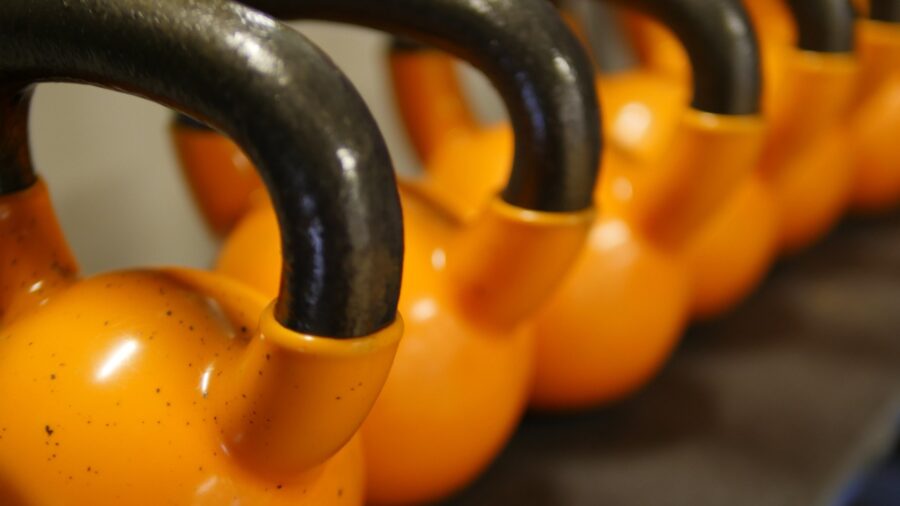
Single-Cast Is the One Spec That Matters
A single-cast bell is poured as one piece of iron: handle, horns, and body together. A welded bell has the handle attached separately, and that weld is the single most common structural failure in kettlebells.
Welded seams fail under the shear force of swings and snatches, usually after a few thousand reps, and the failure is sudden rather than gradual. Look for the phrase “single-piece cast” or “gravity cast” in the listing. If a spec sheet does not mention casting method at all, assume welded. Most quality bells across the kettlebell lineup state it plainly because it is a selling point.
The Handle Finish Decides Whether You Use It
This is where cheap bells actually fail in practice. A handle with visible casting seams or rough powder coat tears calluses within three sessions, and a bell that shreds your hands stops getting used regardless of how structurally sound it is.
Run your thumb along the underside of the handle where your fingers wrap. It should be smooth with no ridge. Powder coat is the current standard because it grips well with chalk and does not get slippery with sweat. E-coat and enamel are smoother but turn slick fast, and raw cast iron grips best while rusting fastest.
Handle diameter matters too: 33 to 35mm suits most hands, and bells under 26 pounds often use thinner handles around 28mm. Beginner sets like these kettlebells for beginners under 200 dollars typically get this right, and lighter options such as kettlebells for seniors from 200 to 300 dollars use narrower handles by design for easier grip.
Coating and What It Costs You
| Finish | Grip | Lifespan |
|---|---|---|
| Powder coat | Very good | 10 to 20 yrs |
| E-coat | Moderate | 10 plus yrs |
| Vinyl dipped | Poor when wet | 3 to 6 yrs |
| Competition steel | Good | 20 plus yrs |
Vinyl is the one to avoid for anything you swing. It cracks at the horns, peels, and traps moisture underneath. If your bells live in a garage or a humid basement, rust-resistant kettlebells under 100 dollars address the problem at the material level, which beats maintaining a raw iron bell every two weeks.
Flat Base and Weight Accuracy
Check that the base is genuinely flat and wide. A rounded or narrow base means the bell rocks during renegade rows and push-ups, and it tips over between sets, which is how chipped floors happen.
Weight accuracy is worth a quick mention. Cheaper cast bells can run 3 to 5 percent off their stated weight, so a 35 pound bell might actually be 33 or 37. This matters little for general training and matters considerably if you are matching a pair for double bell work. Reviewed sets like these Titan Fitness kettlebells for full body workouts list tolerance figures, which is a reasonable proxy for manufacturing care overall.
Spend Less Than You Think on the Bell Itself
Here is the honest part. A $45 single-cast powder-coated 35 pound bell from a mid-tier brand will outlast you. Competition steel bells at $120 to $180 each are excellent and are built for a specific purpose: uniform dimensions across all weights for competition lifters. If you are not one, you are paying for a standard you will never use.
Where overspending actually happens is buying a full set of six sizes at once. Most people need two bells for the first year, and the wrong first purchase is a well-documented pattern covered in this piece on the gym equipment everyone regrets buying first. Buy one, train with it for two months, then buy the next size up based on what you actually outgrew.
Check for single-cast construction, run your thumb along the handle, confirm a flat base, and skip vinyl. The rest of the buying guides cover how a kettlebell fits into a broader equipment budget. Iron does not wear out. Bad handles and bad welds do.










Write Your Review
No reviews yet. Be the first to share your experience!