

A Smith machine can cost $500 or $4,000, and the two units often look nearly identical in product photos. The difference sits in steel gauge, bearing quality, and a pile of attachments you may never touch. Here is how to figure out which parts of that price tag actually apply to you.
What the Price Tag Is Actually Buying
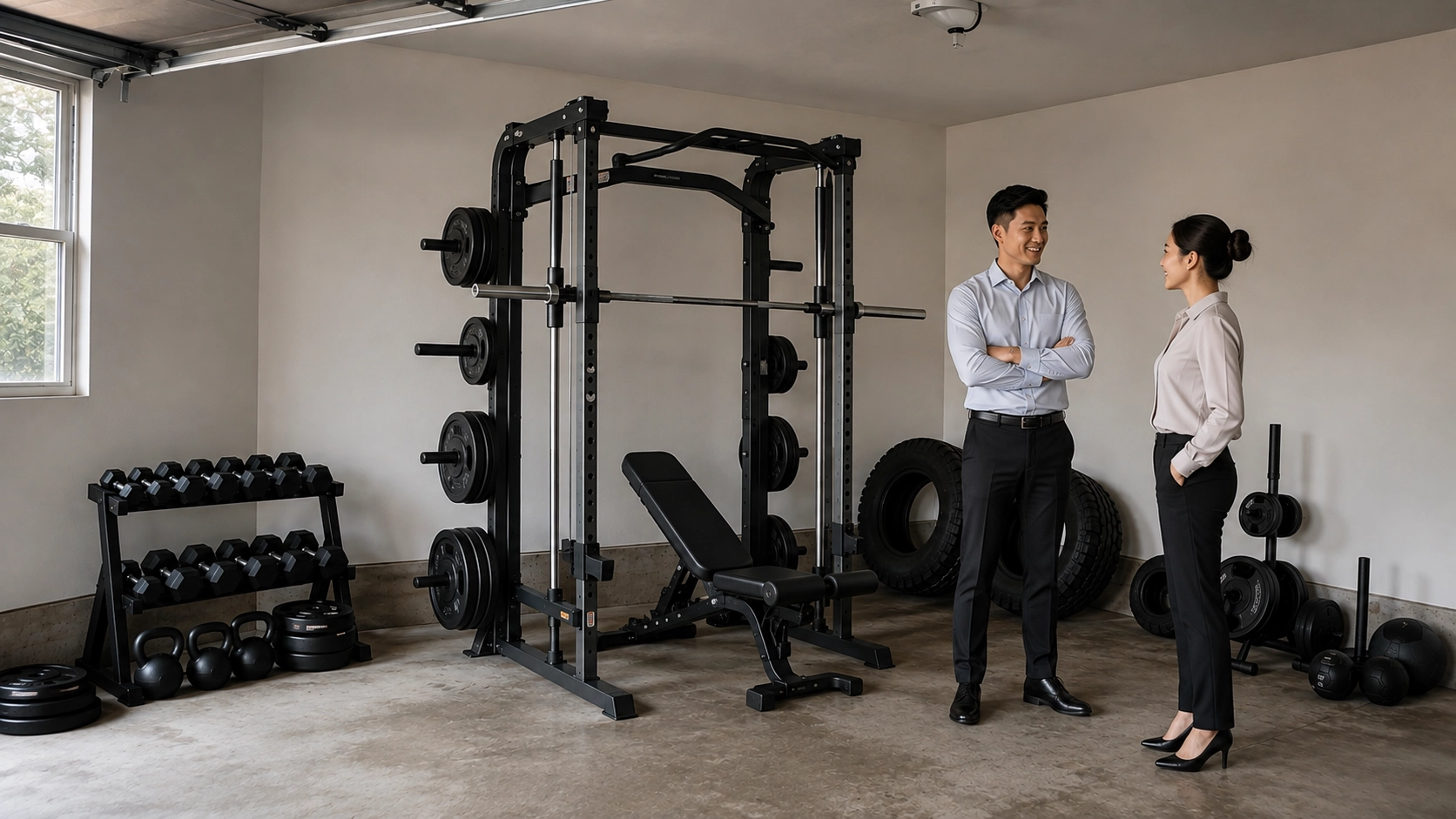
Three things drive cost: frame steel, the glide system, and attachments. Frame tubing runs from 14 gauge on entry units to 11 gauge on heavier builds, and thicker steel is why one machine weighs 250 pounds and another weighs 500. The glide system matters more than most listings suggest. Linear bearings run smoother and quieter than nylon bushings, and you notice the difference on every rep, not just heavy ones.
Everything else is add-ons. If you want to see how the category splits by build type before you commit to a number, the Smith machine lineup is organized by frame style and capacity rather than by brand.
Match the Tier to Your Actual Lifting
Weight capacity is where people overspend fastest. A rated 500 pound capacity covers a lifter squatting 315 for reps with room to spare, and most people in a gym home will never approach that ceiling.
| Price | Capacity | Best For |
|---|---|---|
| $500 to $900 | 400 to 600 lbs | General strength |
| $900 to $1,800 | 600 to 800 lbs | Intermediate lifters |
| $1,800 to $4,000 | 800 to 1,000 lbs | Heavy or shared use |
If your working squat sits above 275 pounds or two people share the equipment daily, the jump makes sense, and options like these Smith machines built for heavy lifters are worth the frame weight. If you are pressing 135 and squatting 185, paying for a 1,000 pound rating is buying reassurance, not capability.
Attachments You Will Use and Ones You Will Not
A lat pulldown is the one attachment that genuinely changes what you can train. It adds vertical pulling to a machine that otherwise handles only pressing and squatting patterns, which is a real gap. Combination units like these Smith machines with a lat pulldown under 1000 dollars often cost less than buying a separate pulldown station later.
Cable crossovers with adjustable pulleys are the second most useful addition. After that, the returns drop fast. Landmine posts, dip stations, and plate storage pegs are convenient, not transformative. If a $600 price gap is entirely attachments you have not used in your last three months of training, that gap is optional.
Measure Your Ceiling Before You Shop
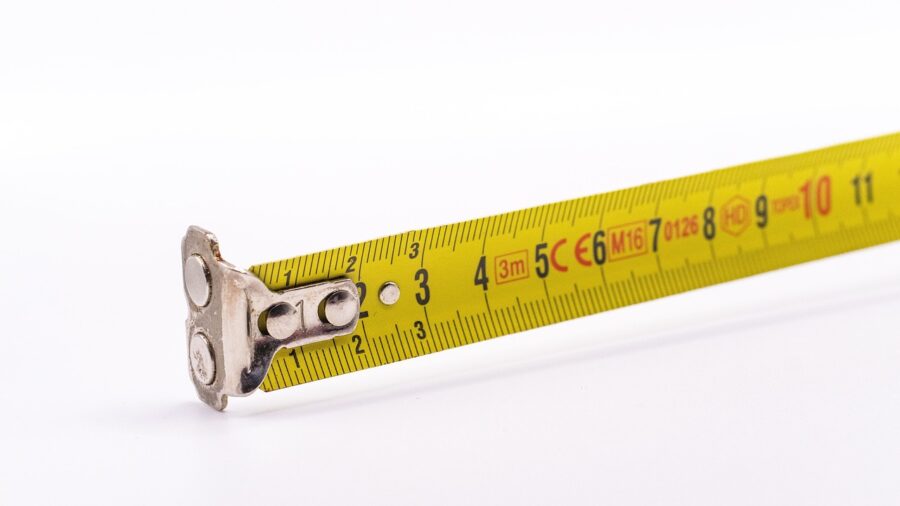
Most Smith machines stand 82 to 90 inches tall, and you need at least 4 inches of clearance above the frame. In a standard 8 foot basement with ductwork, that math gets tight quickly. Footprint runs roughly 50 by 70 inches for a base unit and closer to 80 by 80 inches once cable arms are attached.
Check your bar path clearance too. On a machine with a 7 degree angled rail, the bar travels forward as it descends, which means the space in front of the unit is not free space. Brands like Mikolo Smith machines for a gym home tend to fit tighter rooms better than commercial-style frames. Measure first. Returning a 400 pound machine is an experience worth avoiding.
The Case for Spending Less
Here is the uncomfortable part of any buying guide. For most people, the $800 machine is the correct purchase, and the $2,500 machine is a nicer version of a thing they were already going to be fine with.
The features that actually separate tiers are bearing smoothness, frame stability under load, and warranty length, typically 1 year on entry units versus lifetime on the frame at the top. Those matter. Powder coat quality, chrome guide rods, and the number of J-hook positions mostly do not. If you are weighing where the real gaps sit, this breakdown of what separates lower tier and higher tier gym home equipment covers which upgrades hold up over years of use.
That said, if you are outfitting a full room and the Smith machine is your anchor piece, the higher tier Smith machines under 4000 dollars justify themselves through the cable systems and capacity that let one unit replace three. It comes down to whether this machine is your whole setup or one piece of it.
Set your total equipment budget before you shop for any single item, since a Smith machine that eats 70 percent of your funds leaves nothing for the bar, plates, and flooring you still need. This guide on how much to spend on a gym home setup lays out reasonable allocations. Buy the machine that fits your ceiling, your lifts, and what is left over.


Write Your Review
No reviews yet. Be the first to share your experience!