

Your exercise bike’s resistance system is the heart of every workout. When it runs smoothly, pedaling feels effortless and controlled. When it starts acting up, every ride becomes a wobbly, squeaky reminder that neglect has consequences. Regular maintenance keeps your Gym Home bike performing like new and saves you from expensive repairs down the road.
Understand Your Resistance Type
Before diving into maintenance, know what kind of resistance system your bike uses. The three main types each need slightly different care. Magnetic resistance uses magnets that move closer or farther from a flywheel, creating drag without physical contact. Friction resistance uses a felt or leather pad pressed directly against the flywheel. Air resistance relies on a fan flywheel that generates more drag as you pedal harder.
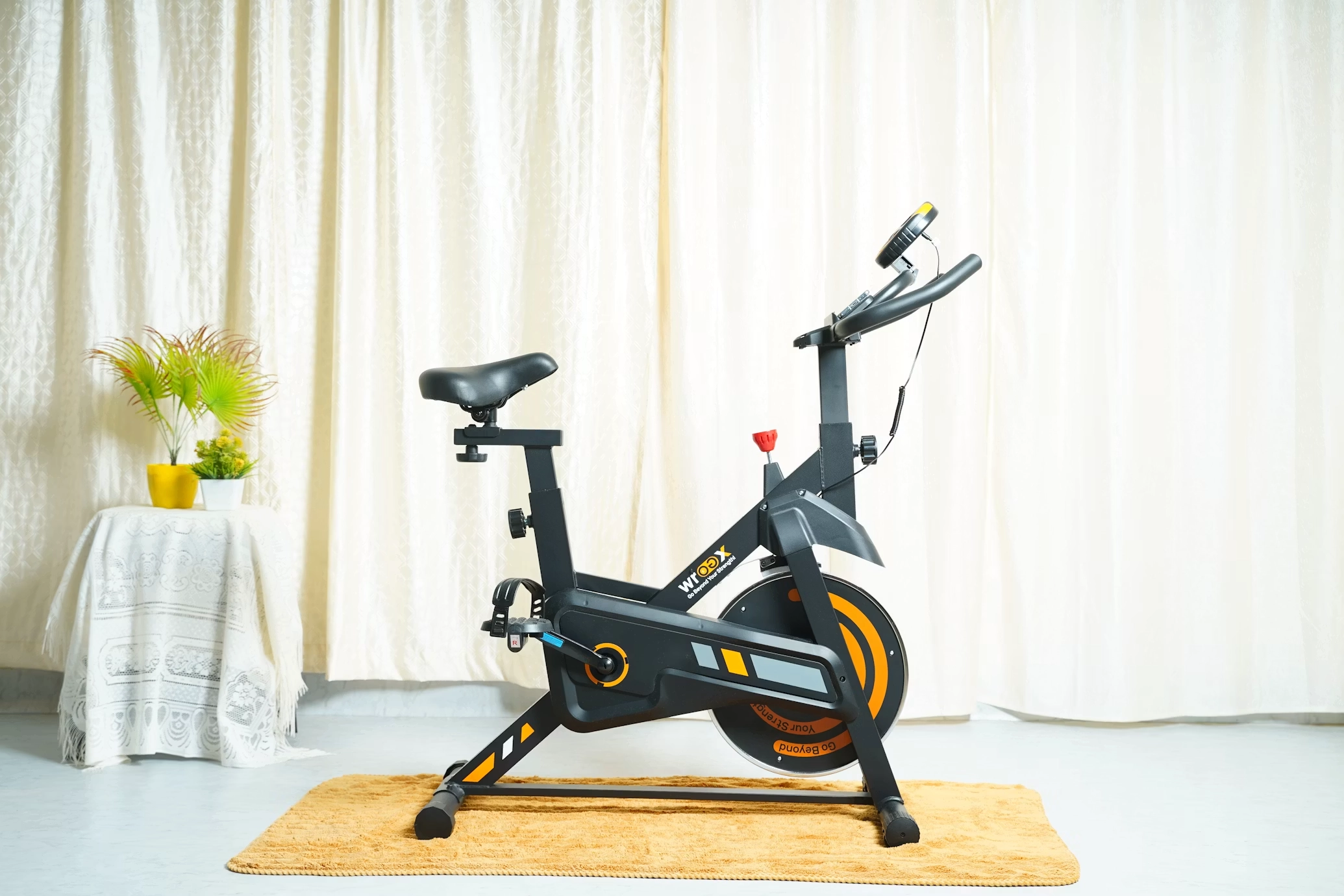
Magnetic systems are the lowest maintenance since nothing physically touches the flywheel. Friction systems need the most attention because the pad wears down over time. Air bikes require occasional cleaning of the fan blades but are otherwise nearly maintenance-free. Knowing your system helps you focus on what actually matters for your bike.
Weekly Cleaning Routine
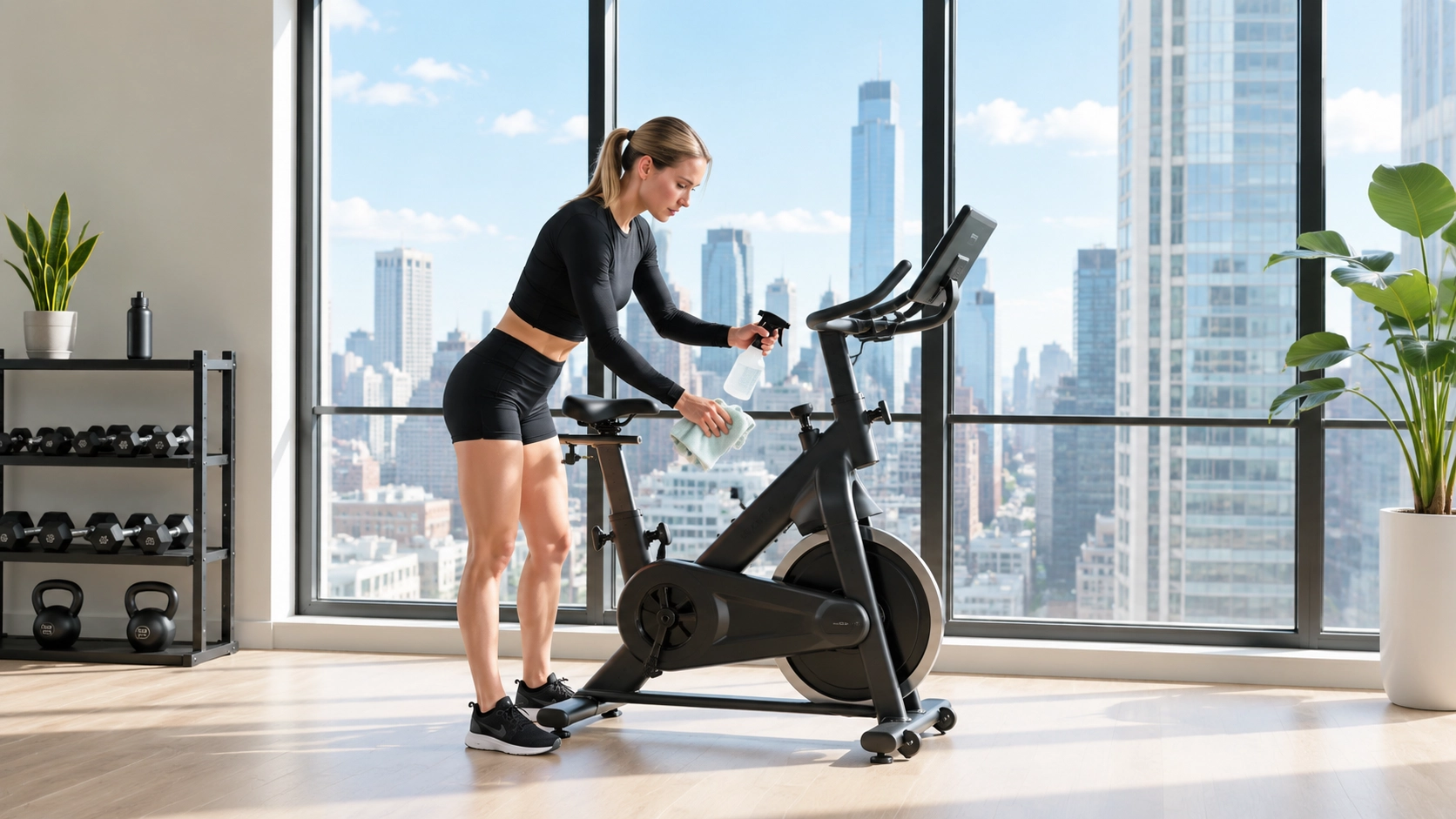
Every week, give your bike a proper wipedown. Sweat is corrosive and can damage the frame, resistance mechanism, and electronics if left to sit. Use a slightly damp microfiber cloth on the frame, seat, handlebars, and console. Avoid soaking any part of the bike, and never spray liquid directly on the display or resistance knob.
Pay special attention to the area around the resistance dial and flywheel housing. Dust and sweat love to build up there. If you own a bike from our list of the best low noise exercise bikes, keeping the flywheel area clean is one reason those models stay quiet over time. A gunky flywheel is a loud flywheel.
Monthly Deep Maintenance
Once a month, dedicate 15 minutes to a deeper inspection. Unplug the bike if it has electronic components, then check every visible bolt and screw. Vibration from regular use can loosen hardware over time. Tighten anything that feels wobbly, especially around the seat post, handlebars, and pedals.
For friction resistance bikes, inspect the pad for wear. If it’s flattened, glazed, or thinning noticeably, replace it before it damages the flywheel. Most manufacturers sell replacement pads for under 20 dollars, and swapping them takes just a few minutes. For magnetic bikes, check that the resistance knob turns smoothly through its full range. Any grinding or sticking usually means dust in the mechanism.
Lubricate the pedal axles and any exposed moving joints with a light silicone-based lubricant. Avoid heavy grease or WD-40 on the flywheel itself since these attract dust. If you’re not sure what your bike needs, check the manual or look at similar models in our full cardio machines category for guidance.
Handling Common Resistance Problems
Even well-maintained bikes develop quirks. Here are the most common issues and quick fixes:
- Resistance feels weaker than usual: On friction bikes, replace the worn pad. On magnetic bikes, check that the tension cable is intact and connected properly.
- Squeaking or grinding noises: Usually caused by dust, dry bearings, or a worn friction pad. Clean the flywheel area and lubricate moving parts.
- Resistance knob is stuck: Sweat and dust buildup is the usual culprit. Wipe the base of the knob and apply a small amount of dry lubricant.
- Bike wobbles during hard efforts: Tighten the flywheel bolt and check that the bike is level. Loose hardware makes rides feel unstable and unsafe.
If problems persist after basic maintenance, contact the manufacturer. Most warranties cover resistance mechanism defects for at least a year.
Storage and Long-Term Care
Where you keep your bike matters just as much as how you clean it. Store it in a climate-controlled space away from humidity, which can rust internal components and warp electronic parts. If you have a folding model like those in our review of the best folding exercise bikes under 1000 dollars, avoid folding and unfolding it constantly since each cycle stresses the hinges.
Cover your bike when it’s not in use, especially in dusty garages or basements. A simple breathable cover keeps debris out of the resistance mechanism. If you own an exercise bike with back support from our best exercise bikes with back support guide, check the seat mechanism periodically for cracks or wear, since the seat sees just as much stress as the resistance system.
The same care principles apply across cardio equipment. If you’re also maintaining other machines, our guide on how to clean and maintain treadmills for longer life covers similar routines that keep everything running well.

Why Maintenance Matters for Performance
A well-maintained bike delivers consistent resistance, which matters more than most riders realize. Research on stationary bike workouts shows that predictable resistance helps you track progress accurately and hit target heart rate zones effectively. A worn or inconsistent system throws off your training data and makes it harder to see real gains.
If you want to translate those cardio sessions into measurable results, our fitness calculators help you dial in calorie burn, heart rate zones, and workout intensity based on accurate resistance readings.
Ten minutes a week and 15 minutes a month is all it takes to keep your exercise bike running smoothly for years. Your knees, your wallet, and your workouts will all be better for it.




Write Your Review
No reviews yet. Be the first to share your experience!