

Building a Gym Home setup is exciting, but figuring out how much to actually spend can feel like guessing the weather in March. Prices range from a couple hundred dollars for the bare essentials to well over ten thousand for a fully loaded fitness sanctuary. The right number depends on your goals, your space, and how honest you’re willing to be about how often you’ll actually use it. Let’s break down what makes sense at each budget level.
Setting a Realistic Budget Range
Before you drop cash on a shiny rack or premium treadmill, get honest about your training goals and lifestyle. A casual user who wants to stay active needs far less than a serious lifter chasing personal records. Most home fitness enthusiasts fall into one of three budget tiers: entry level (under 1000 dollars), mid-range (1000 to 3500 dollars), and premium (3500 dollars and up). Each tier serves different needs, and spending more doesn’t automatically mean better results.
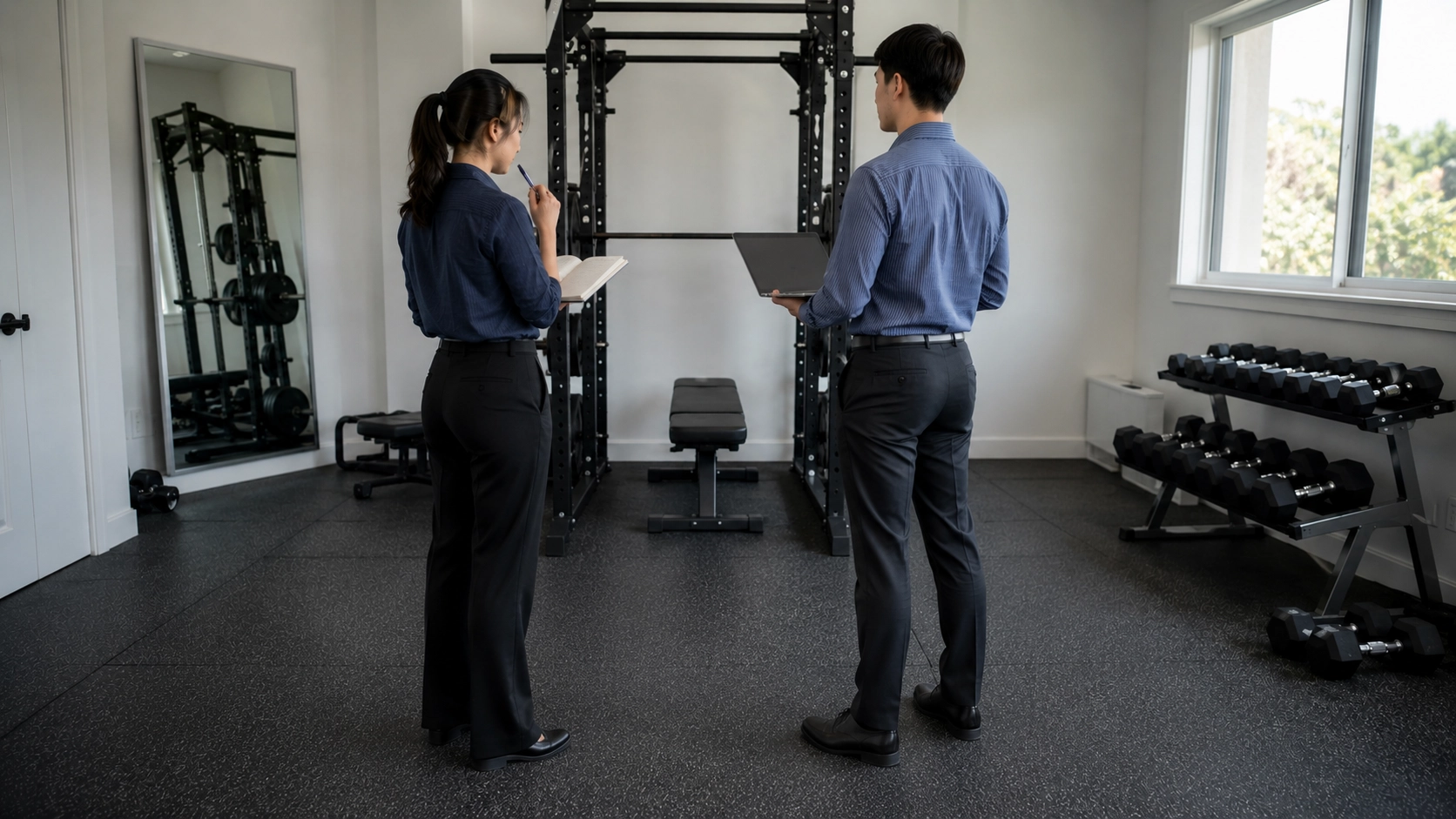
Economic factors matter too. According to the IMF’s World Economic Outlook published in April 2026, ongoing global economic uncertainty is shaping how consumers approach big purchases this year. Translation: don’t stretch yourself thin buying equipment you can’t afford. A Gym Home should reduce stress, not add to it.
Entry Level: Under 1000 Dollars
You can build a functional Gym Home for less than 1000 dollars if you shop smart and skip the fancy extras. At this level, focus on versatile essentials: a solid pair of adjustable dumbbells, a sturdy bench, resistance bands, and a jump rope. Add a foam roller and a yoga mat, and you’ve got everything needed for strength training, mobility work, and basic cardio.
The trade-off is limitations. You won’t be squatting 400 pounds or running programmed sprints on a treadmill, but for beginners or those focused on general fitness, this setup delivers real results. Buy used equipment where possible, especially bulky items like benches. Facebook Marketplace and Craigslist are goldmines for barely used gear at deep discounts. Just inspect everything in person before handing over cash.
Mid-Range: 1000 to 3500 Dollars
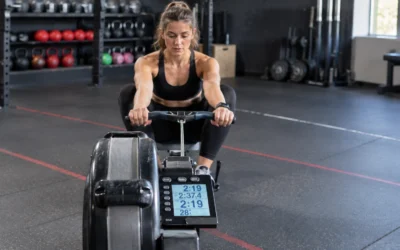
This is the sweet spot for most serious home lifters. In this range, you can afford a quality power rack, a barbell, weight plates, and an adjustable bench, with room left for a cardio piece like an air bike or budget treadmill. This tier gets you into real strength training territory without emptying your savings.

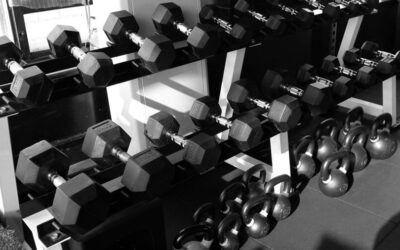
Prioritize the rack. It’s the anchor of your setup and the piece you’ll use most. Options like those in our list of 9 best power racks with complete setup under 3000 dollars of 2026 bundle a rack, bar, plates, and accessories, which saves both money and shipping headaches. Add a good pair of dumbbells or kettlebells for accessory work, and you have a Gym Home that can handle almost any program.
Space planning matters here since equipment starts taking up real estate. For context, average room sizes for garages and spare bedrooms give you 200 to 400 square feet to work with, which is plenty for a mid-range setup if you plan the layout carefully.
Premium: 3500 Dollars and Above
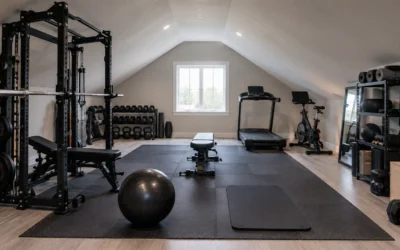
If you have the budget and the commitment, a premium Gym Home setup rivals many commercial gyms. At this level, expect commercial-grade racks, premium bars, competition-quality bumper plates, high-end cardio machines, and specialty equipment like reverse hyper machines or GHD benches. Premium Smith machines, cable systems, and even complete functional trainers become options.
Machines like those covered in our review of the 7 best premium Smith machines under 4000 dollars of 2026 offer smooth, controlled lifting for hypertrophy work and safe solo training. If you’re spending this much, invest in quality flooring too. Horse stall mats or interlocking rubber tiles protect your floor, reduce noise, and make the space look intentional. This is also where design starts to matter, and browsing modern gym home design trends for 2026 can help you build something that looks as good as it performs.
Hidden Costs to Factor In
The equipment sticker price is only part of the story. Flooring, mirrors, storage racks, and even electrical work can add up fast. If you’re using a garage, you might need insulation, a fan or heater, and better lighting. Delivery fees for heavy items like racks and treadmills can hit 200 dollars or more. Assembly is another consideration, since some equipment requires two people and a full afternoon to set up.
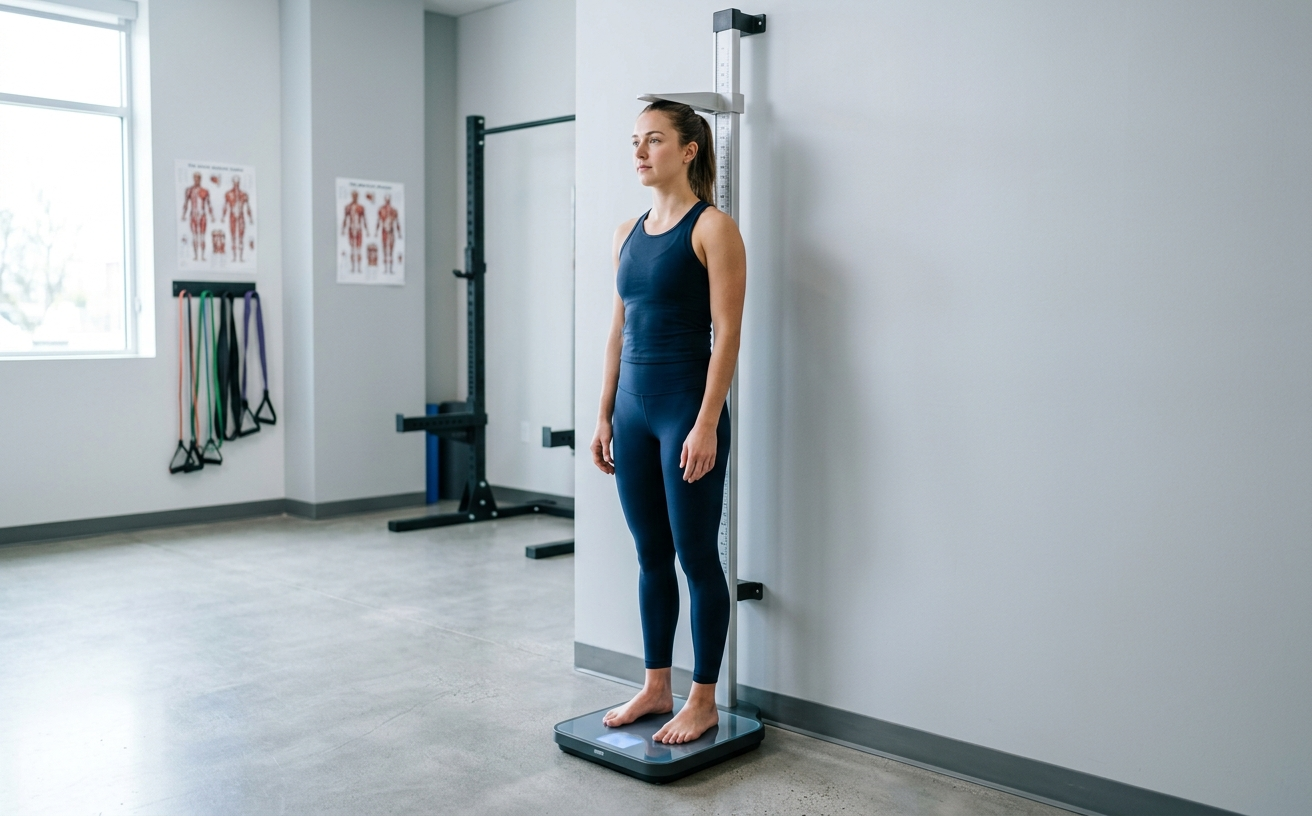
Also budget for accessories you’ll want later: lifting straps, chalk, resistance bands, gymnastics rings, and a decent sound system. These small items easily add another 200 to 500 dollars on top of your main gear. Understanding your fitness starting point helps you prioritize, and using tools like our BMI calculator to find your body mass index and key fitness metrics gives you a baseline to plan training around.
How to Maximize Every Dollar
Regardless of budget, a few strategies stretch your money further. Buy used when quality is easy to verify, like plates, dumbbells, and racks. Wait for holiday sales in November and December, when many manufacturers slash prices. Consider refurbished commercial equipment, which often outlasts new consumer-grade gear. Skip trendy niche items you won’t use monthly. That vibration platform or 800-dollar recovery gun looks cool until it becomes a coat rack.
Build incrementally. You don’t need everything on day one. Start with core pieces, train consistently for a few months, then add equipment based on what you actually need. For more strategic buying advice across categories, our category buying guides break down what to look for in every major piece of gear.
The best Gym Home is the one you’ll use regularly. Spend enough to get quality gear that motivates you, but not so much that guilt keeps you off the equipment. A well-planned 1500-dollar setup used four times a week beats a 10000-dollar showpiece that collects dust between guilty glances.



Write Your Review
No reviews yet. Be the first to share your experience!