

Buying used equipment is the single fastest way to build a serious gym home without draining your savings. Iron doesn’t care how old it is, and a 20-year-old barbell loaded with plates works exactly the same as a brand new one. The trick is knowing what’s safe to buy secondhand, what to avoid, and how to spot a genuine bargain from someone else’s abandoned New Year’s resolution.
What to Buy Used and What to Buy New
Not all equipment ages equally. Some pieces are nearly indestructible, while others hide expensive problems behind a clean exterior. Knowing the difference saves you money and frustration.
| Buy Used With Confidence | Buy New Instead |
|---|---|
| Weight plates and bumpers | Treadmills with worn motors |
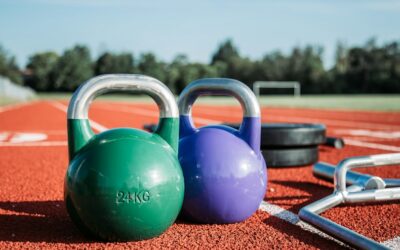
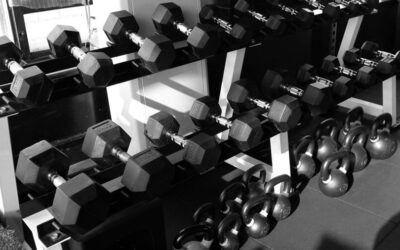
| Dumbbells and kettlebells | Cable machines with frayed cables |
| Power racks and squat stands | Anything with damaged electronics |
| Flat and adjustable benches | Resistance bands (they degrade) |
| Barbells with minor cosmetic wear | Bars with bent shafts or seized sleeves |
Generally, anything simple and made of solid steel is a safe bet. Anything with a motor, circuit board, or moving cable system carries real risk unless you can see it operating.
Where to Find Quality Second-Hand Gear
Facebook Marketplace is the undisputed king of used fitness equipment. Search regularly, since good listings disappear within hours. Craigslist still delivers solid finds, especially for bulky items sellers want gone fast. OfferUp and local buy-sell groups round out the online options.
Don’t overlook offline sources. Commercial gyms replace equipment every few years and often sell old inventory directly. Hotel closures, corporate gym shutdowns, and school district surplus auctions occasionally produce commercial-grade gear at residential prices. Estate sales are another underrated goldmine, particularly for barely-used equipment bought with good intentions.
Set price alerts and be patient. The best deals go to people who check daily and can pick up the same afternoon.
How to Inspect Used Equipment Before Buying
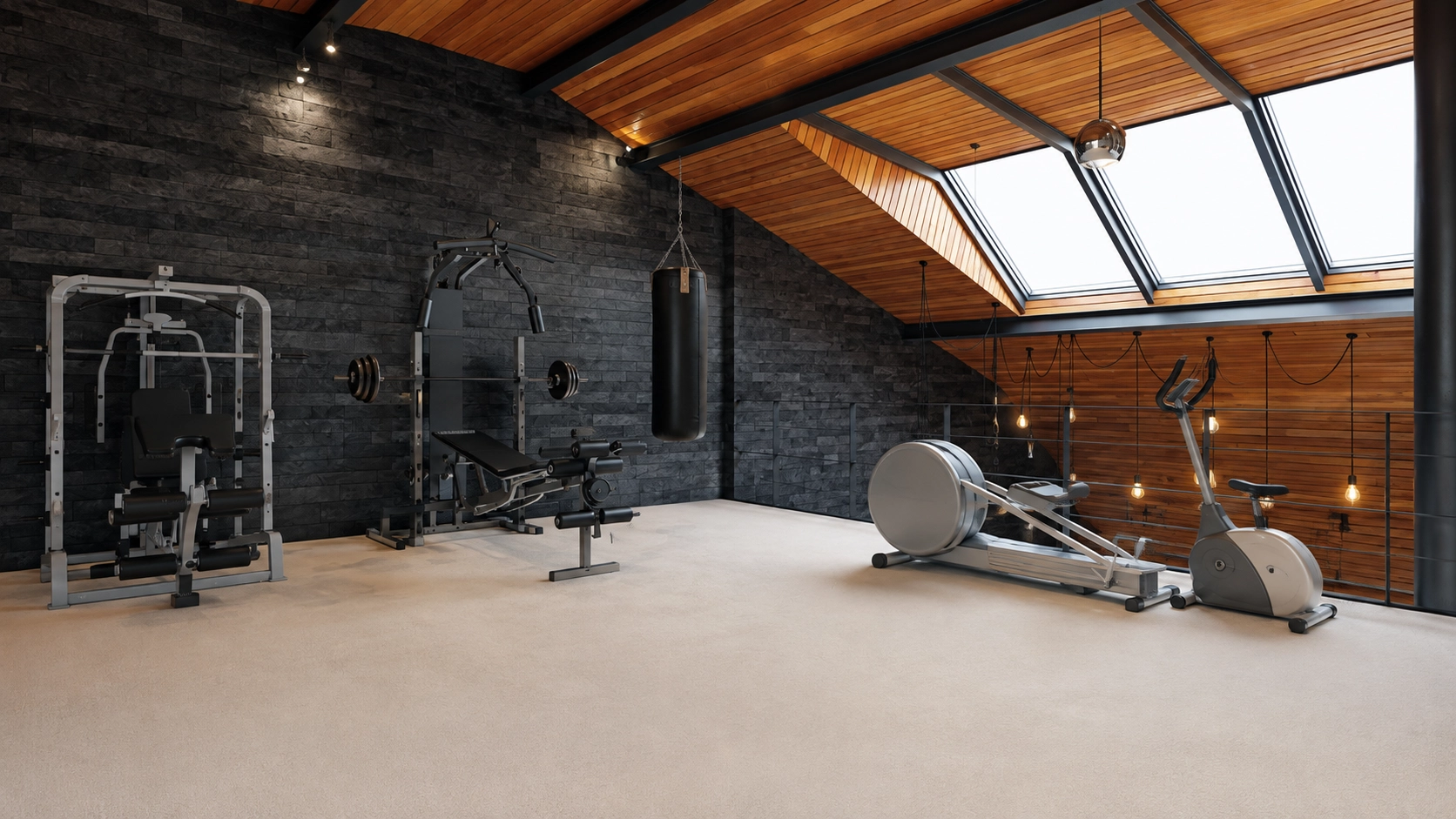
Always inspect in person. Photos hide rust, cracks, and wobble. Run through this checklist before handing over cash:
- Barbells: Roll the bar on a flat surface to check for bends. Spin the sleeves to confirm smooth rotation.
- Racks: Look for cracked welds, bent uprights, and rust that goes beyond surface level.
- Benches: Sit on it, lean back, and check for wobble. Inspect upholstery for tears that will spread.
- Plates: Check for chips on bumpers and cracks in the metal insert. Iron plates rarely have problems.
- Cardio machines: Run them at multiple speeds and inclines. Listen for grinding, and confirm the display works fully.
Bring a tape measure and a flashlight. Sellers rarely mention that a rack won’t fit through your door until you’ve already paid.
Fill the Gaps With Affordable New Equipment
A smart gym home usually mixes used and new. Buy the heavy, simple stuff secondhand, then fill gaps with affordable new items where quality and safety matter most.
If you can’t find a used rack in good condition, our review of the best power racks for beginners under 300 dollars covers new options that cost less than many used commercial units. For weights, adjustable dumbbells are often worth buying new since the adjustment mechanisms wear down with heavy use, and our list of the best adjustable dumbbells under 200 dollars highlights durable picks at reasonable prices.
For cardio, buying new is usually the safer play. If you’re starting with a bike, our exercise bike workout guide for beginners walks through programming so you actually use whatever you buy.
Design the Space Around What You Found
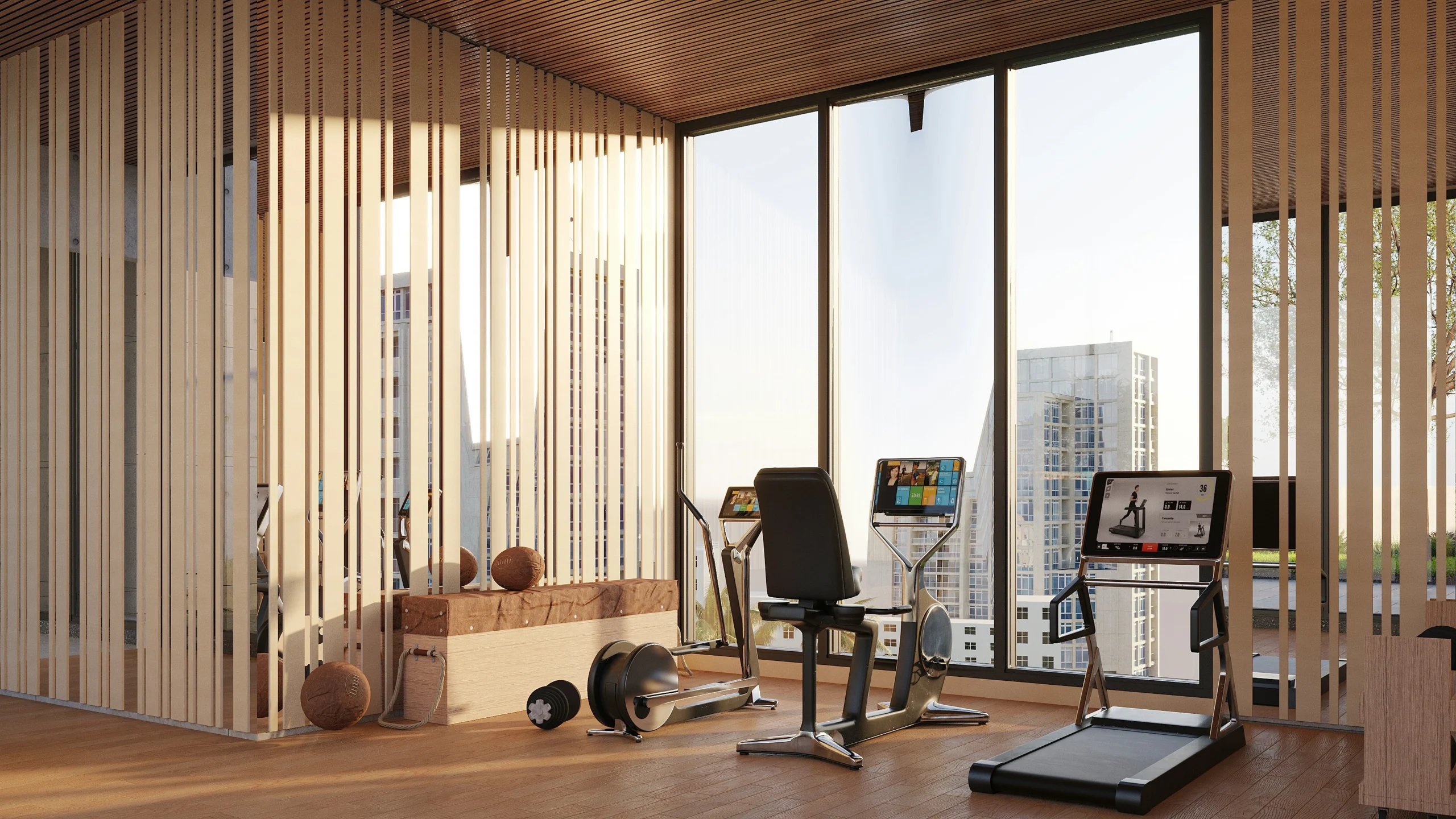
Used equipment rarely matches, and that’s part of the charm. Instead of fighting the mismatch, lean into a functional, industrial aesthetic. Consistent flooring ties everything together visually, even when your bench is blue and your rack is black.
Plan your layout around your largest piece first, then arrange smaller equipment around it. Our guide on DIY gym home design ideas on a budget covers cheap storage and lighting upgrades that make a mismatched setup look intentional. For broader aesthetic direction, browse modern gym home design trends for 2026.
If your training space shares a room with your office, layout planning becomes even more important. Our guide on how to combine workspace and workout equipment shows how to keep both zones usable.
Why the Savings Are Worth the Effort
Hunting for used gear takes time, but the payoff is significant. A setup that would cost 4000 dollars new often comes together for 1200 to 1800 dollars secondhand, which frees up budget for flooring, storage, or simply staying out of debt.
Regular strength and cardio training delivers well-documented physical and mental benefits, and training at home removes the commute and scheduling friction that derails most gym memberships. Getting there for less money simply means you start sooner.
Used equipment builds real gym homes every day. Be patient, inspect carefully, and buy the simple stuff secondhand. Your lifts won’t know the difference, and your bank account will thank you.

Write Your Review
No reviews yet. Be the first to share your experience!