

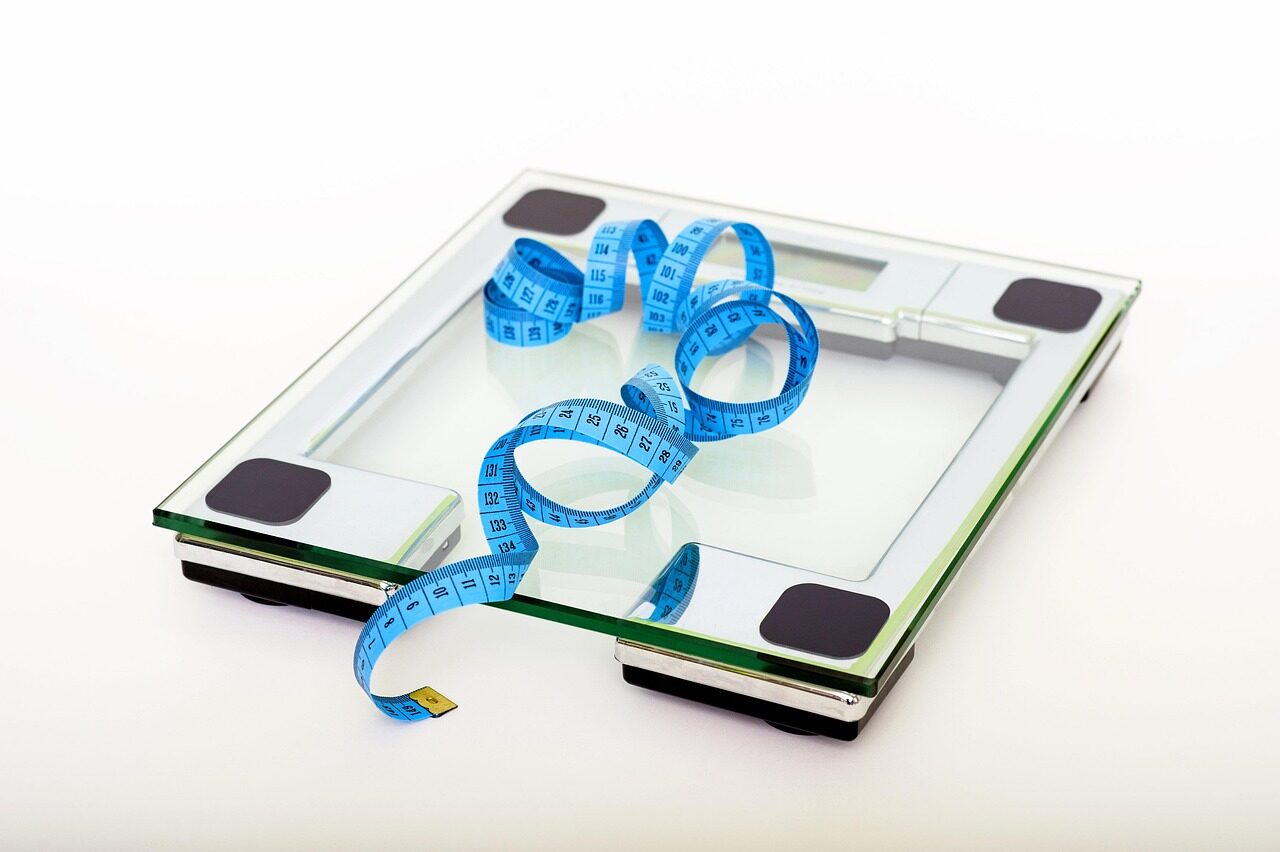
Body Mass Index is one of the most common health numbers you will see. It takes your weight, divides it by your height squared, and places you in a category such as normal, overweight or obese. It is fast and free, which is why doctors and insurers still use it. But if you lift weights regularly, you may have noticed that BMI sometimes calls you overweight even when you feel lean and strong.
So is BMI wrong for lifters? Not exactly. It is a simple tool with clear limits, and knowing those limits helps you use it well.
What BMI Actually Measures
BMI measures total body weight relative to height. That is all. It cannot tell the difference between muscle, fat, bone or water. A pound of muscle and a pound of fat count exactly the same. For the average adult who does not train much, weight tracks fairly closely with body fat, so BMI works reasonably well across large groups of people.
The problem starts when someone carries more muscle than average. Muscle is dense, so a lifter can weigh more than their height would suggest while having a healthy or even low body fat level.
Why Muscle Pushes BMI Up
Consider two people of the same height and weight. One trains with a barbell four days a week, the other rarely exercises. BMI gives them the same score, yet their bodies are very different. The lifter likely has more lean mass, a smaller waist and better strength, while the other person carries more of their weight as fat.
| Situation | How Well BMI Works | Why |
|---|---|---|
| Average adult, little training | Fairly well | Weight tracks closely with body fat |
| Regular lifter with extra muscle | Often overestimates | Muscle adds weight without adding fat |
| Older adult losing muscle | Can underestimate | Fat may rise while weight stays the same |
| Endurance athlete | Usually fine | Lean and light for their height |
When BMI Is Still Useful for Lifters
BMI is not worthless just because you train. It is a quick screening number, and it can still flag a real trend. If your BMI climbs steadily while your strength stays flat and your waist grows, the extra weight is probably not muscle. It also gives you a common language with your doctor, who may use it as a starting point before looking at other markers.
You can check your number in a few seconds with our BMI calculator, then use the measurements below to see the fuller picture.
Better Numbers to Pair With BMI
The fix is not to throw BMI away. It is to add one or two measurements that account for body composition.
- Body fat percentage: a tape measure estimate using the U.S. Navy method is simple to repeat at home. Try our body fat calculator.
- Waist measurement: fat stored around the middle is linked to health risk, and a growing waist is a clear warning sign.
- Waist-to-height ratio: keeping your waist under about half your height is a widely used guideline.
- Strength and performance: steady progress in your lifts suggests that added weight is coming from muscle.
How to Track Progress the Smart Way
Measure under the same conditions each time, such as first thing in the morning before eating. Check BMI, waist and body fat about once a month rather than daily, since day-to-day weight swings are mostly water. Look at the direction of the trend over several months instead of reacting to a single reading.
If you are building muscle on purpose, expect your weight and BMI to rise slowly. That is fine as long as your waist stays stable and your body fat holds steady or drops.
Final Thoughts
BMI is a rough screening tool, not a verdict. For people who lift, it often overstates body fat because it cannot see muscle. Use it as one data point, then add waist size and a body fat estimate to understand what your weight is really made of. For more free tools like these, browse our fitness calculators.
FAQs
Can BMI say I am overweight if I am muscular?
Yes, it can. BMI counts muscle and fat the same, so lifters with extra muscle often land in the overweight range without carrying excess fat.
Should lifters ignore BMI completely?
No, but they should not rely on it alone. Pair it with waist measurements and a body fat estimate for a clearer picture.
What is a better measure than BMI for lifters?
Body fat percentage combined with waist size is more useful. Together they show whether your weight comes from muscle or fat.
How often should I check my BMI?
About once a month is enough. Daily weight changes are mostly water and can be misleading.








Write Your Review
No reviews yet. Be the first to share your experience!