

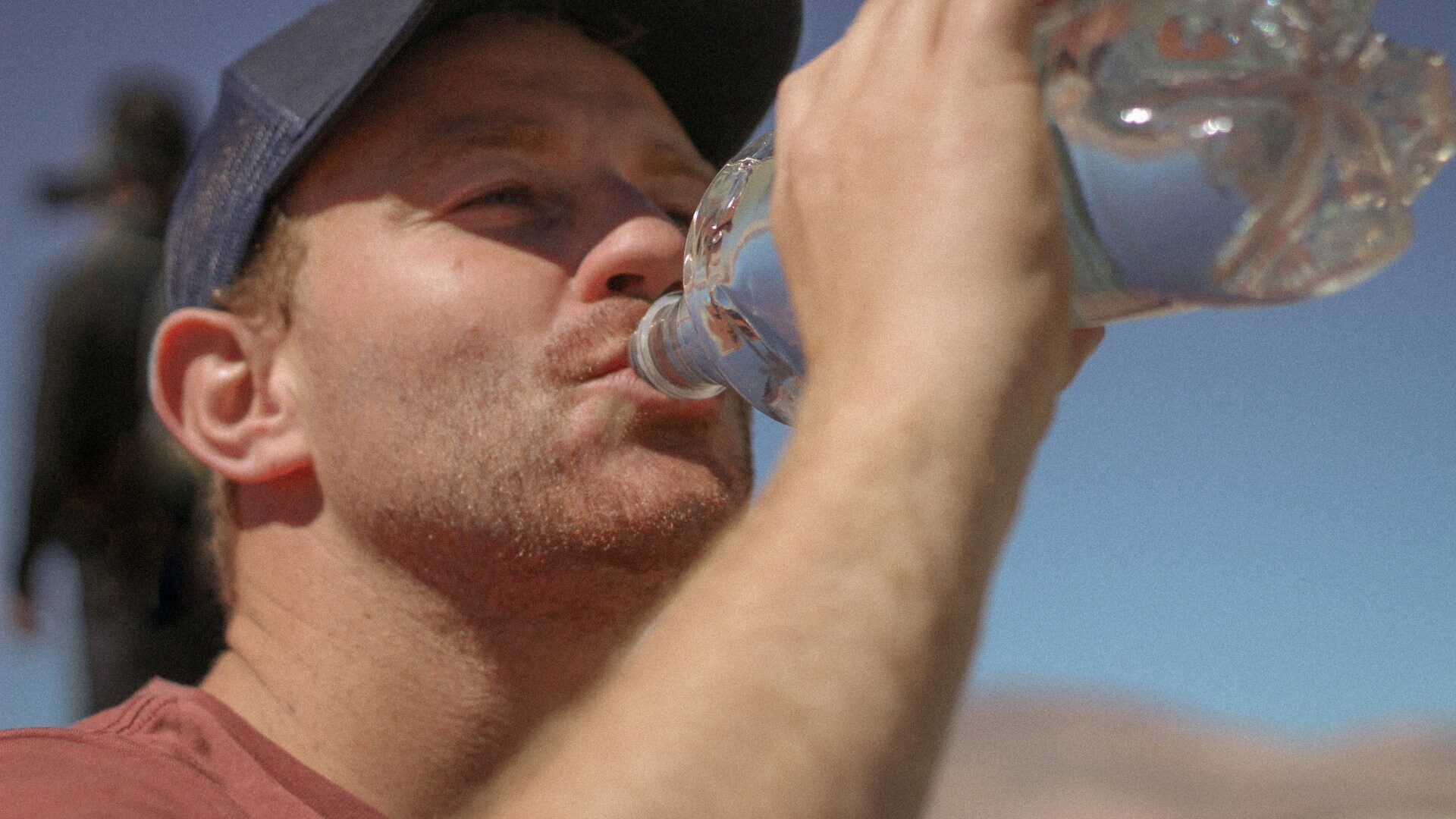
Walk down any grocery aisle and you will find sports drinks, electrolyte powders and tablets that promise better workouts. At the same time, most fitness advice still says to just drink water. Both can be right. The answer depends on how long you train, how hot your room gets and how much you sweat.
This guide explains what electrolytes do, when plain water is enough and when adding a little sodium makes a real difference.
What Electrolytes Actually Do
Electrolytes are minerals that carry an electric charge in your body fluids. The main ones are sodium, potassium, chloride, magnesium and calcium. They help control fluid balance, nerve signals and muscle contractions. When you sweat, you lose water plus some of these minerals, mostly sodium and chloride.
For a short session, the amount lost is small and your next meal replaces it easily. For long or very sweaty sessions, the losses add up, and replacing water alone can leave you short on sodium.
When Plain Water Is Enough
For most home workouts, water does the job. That includes:
- Strength sessions of about an hour or less
- Moderate cardio such as a 30 to 45 minute bike or treadmill session
- Workouts in a cool, air-conditioned room
- Days when you eat normal, salted meals before and after training
In these cases, sipping water before, during and after is all you need. Paying for a sports drink here mostly adds sugar and calories.
When Electrolytes Start to Matter
Electrolytes become useful when sweat losses are high. A few common situations at home:
| Situation | Best Choice | Why |
|---|---|---|
| Lifting or cardio under 60 minutes | Water | Mineral losses are small |
| Cardio longer than 60 to 90 minutes | Water plus electrolytes | Sodium losses build up over time |
| Hot garage or basement without airflow | Water plus electrolytes | Heat sharply increases sweat rate |
| Heavy sweater with salt marks on clothes | Water plus electrolytes | You lose more sodium per liter of sweat |
| Two sessions in one day | Electrolytes between sessions | Less time to recover fluids with food |
If you notice white, salty streaks on your shirt or hat after training, you are likely a salty sweater and will benefit more from added sodium.
Signs Your Fluid Balance Is Off
Thirst is the obvious signal, but it is not the only one. Watch for dark yellow urine, headaches after training, dizziness when you stand up and unusual fatigue late in a session. Muscle cramps can have many causes, but frequent cramping during long, sweaty workouts is a reason to look at both fluids and sodium.
There is also a less common risk on the other side. Drinking very large amounts of plain water during long sessions, without any sodium, can dilute the sodium in your blood. This is rare in typical home training, but it is one reason long sessions call for more than water alone.
How to Plan Your Daily Fluids
Start with a baseline for your body size and activity level. Our water intake calculator gives you a daily target in a few seconds. From there, adjust for training:
- Drink a glass of water in the hour before you train.
- Sip regularly during the session instead of gulping at the end.
- Weigh yourself before and after a long session. Each pound lost is roughly 16 to 24 ounces of fluid to replace.
- Add an electrolyte drink or a salty snack after long or hot sessions.
For more ideas on staying hydrated during long cardio, read our hydration tips for long treadmill or bike sessions.
Final Thoughts
Plain water covers most home workouts. Electrolytes earn their place when sessions run long, the room is hot or you sweat heavily. Set a daily fluid baseline, watch your urine color and body weight, and add sodium only when your training calls for it. You can find more free planning tools in our fitness calculators.
FAQs
Do I need electrolytes for a one-hour workout?
Usually not. For sessions of about an hour in a comfortable room, water and your normal meals replace what you lose.
Are sports drinks better than water?
Only for long or very sweaty sessions. For shorter workouts, they mostly add sugar and calories you do not need.
How do I know if I am a salty sweater?
Look for white streaks on dark clothing after training. Salty skin and stinging eyes during workouts are other common signs.
Can I drink too much water during a workout?
Yes, though it is rare. Very large amounts of plain water during long sessions can dilute blood sodium, so add electrolytes when you train for hours.





Write Your Review
No reviews yet. Be the first to share your experience!