


TDEE stands for total daily energy expenditure: roughly how many calories your body uses in a day, including exercise. A TDEE calculator gives you that number in seconds. The real value comes from what you do next, turning it into a calorie target for your goal and adjusting it based on real results. Think of the calculator as a map: it gets you close, and your weekly weigh-ins show the last few turns.
Step 1: Get an Honest Estimate
Open our TDEE calculator and enter your age, sex, height, weight and activity level. The activity level matters most. Many people pick a level higher than reality. If you lift three times a week and sit at a desk the rest of the time, “lightly active” or “moderately active” is usually right. If you are unsure how TDEE differs from BMR, read BMR vs TDEE.
Step 2: Set a Target for Your Goal
| Goal | Daily Target | Expected Pace |
|---|---|---|
| Fat loss | TDEE minus 300 to 500 calories | About 0.5 to 1 lb per week |
| Maintenance | TDEE | Weight stays within a small range |
| Lean muscle gain | TDEE plus 200 to 300 calories | About 0.25 to 0.5 lb per week |
Smaller adjustments are easier to stick with and help you keep muscle while losing fat.
Step 3: Set Protein First
Once you know your calorie target, set protein. Many lifters aim for about 0.7 to 1 gram per pound of body weight. Then split the remaining calories between carbs and fat based on what you enjoy and how you train. A simple approach is to keep fat around 25 to 30 percent of calories and give the rest to carbs. Our guide on calculating daily calorie needs adds more detail.
Worked Example
A 180-pound man, 35 years old, lifting four days a week, gets a TDEE of about 2,650 calories. For fat loss, he sets 2,200 calories. Protein at 160 grams gives 640 calories. Fat at 70 grams gives 630 calories. The remaining 930 calories come from carbs, about 230 grams. That is a clear daily plan built from one number.
Step 4: Track for Two Weeks, Then Adjust
- Weigh yourself each morning and note the weekly average.
- Log your food as accurately as you can.
- After two weeks, compare the trend to your goal.
- If weight is not moving as planned, adjust by 100 to 200 calories and try again.
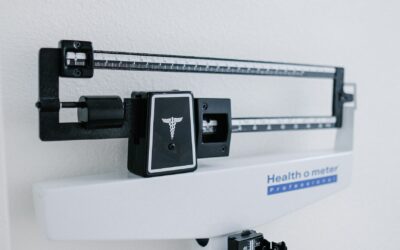
Daily weight jumps around with water, salt and food in your stomach, so judge the weekly average rather than reacting to a single number.
Common Mistakes
- Choosing a very high activity level.
- Counting workout calories twice by adding them on top of TDEE.
- Cutting too hard and losing strength.
- Never updating the number after weight changes.
Final Thoughts
A TDEE calculator gives you a starting estimate. Pick an honest activity level, set a modest calorie target for your goal, lock in protein first and track for two weeks before adjusting. Recalculate every 10 pounds or so of weight change. Explore more tools in our fitness calculators.
FAQs
How accurate is a TDEE calculator?
It is a solid estimate, often within about 10 percent. Your real results will fine-tune it.
Should I eat back calories from workouts?
Not if your activity level already includes them. That would count exercise twice.
How often should I recalculate TDEE?
Every 10 pounds of weight change, or when your activity changes.








Write Your Review
No reviews yet. Be the first to share your experience!