

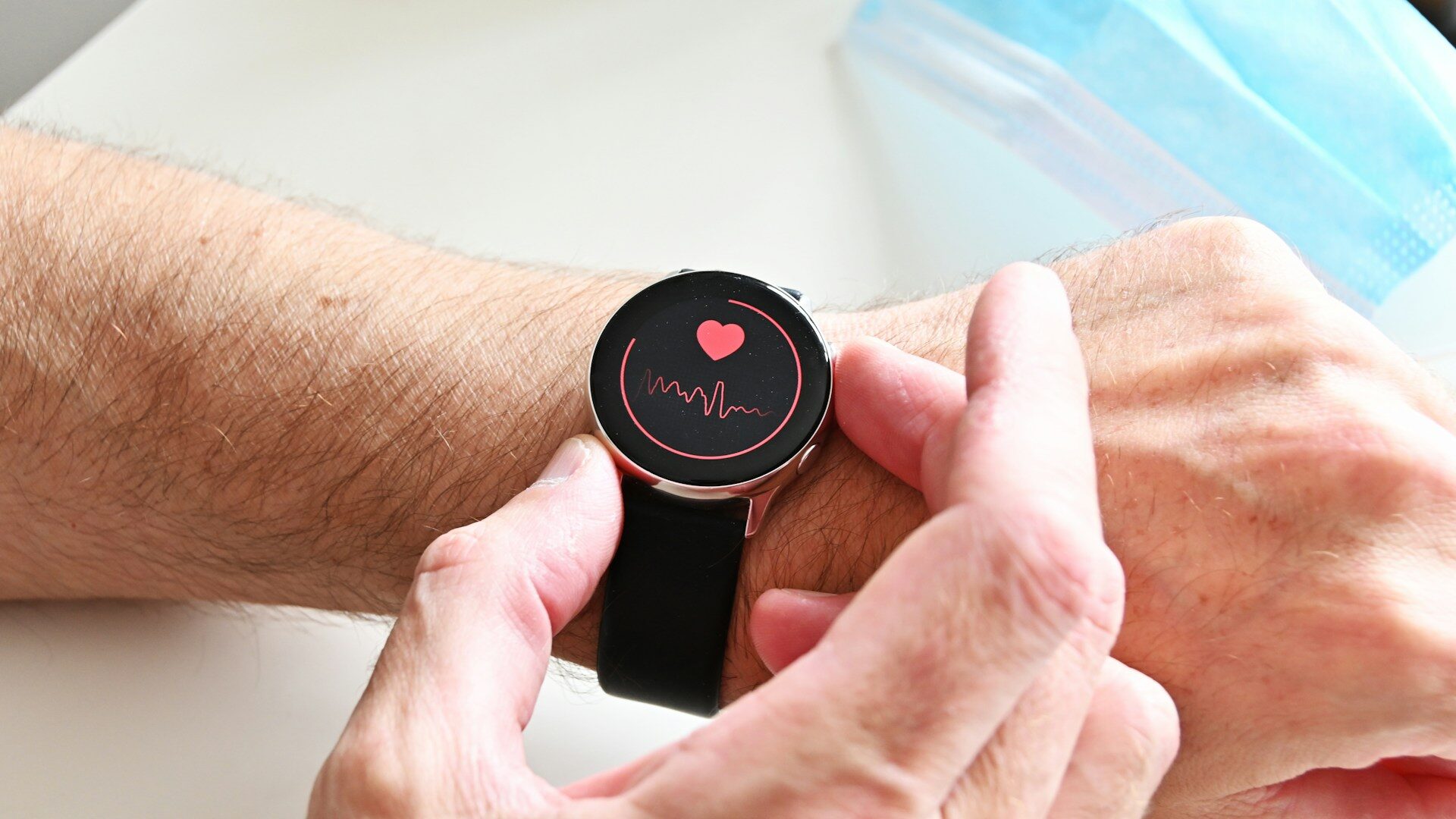
Cardio is easier to plan when you know how hard you are actually working. Heart rate zones give you that answer. Instead of guessing whether a session is easy or tough, you can match your effort to a goal, such as building endurance, burning more calories or pushing your fitness higher.
Here is what the zones mean and how to use them on a treadmill, bike or rower at home.
What Heart Rate Zones Are
Heart rate zones are ranges based on a percentage of your maximum heart rate. Each zone reflects a different level of effort and trains your body in a slightly different way. Most systems use five zones, from very easy to all-out.
To find your zones, you first need an estimate of your maximum heart rate. Our heart rate calculator uses the Tanaka formula and can also apply the Karvonen method, which factors in your resting heart rate for more personal zones.
The Five Zones at a Glance
| Zone | Percent of Max HR | How It Feels | Main Benefit |
|---|---|---|---|
| Zone 1 | 50 to 60 percent | Very easy, full conversation | Recovery and warm-up |
| Zone 2 | 60 to 70 percent | Easy, can still talk | Aerobic base and endurance |
| Zone 3 | 70 to 80 percent | Moderate, short sentences | Aerobic fitness |
| Zone 4 | 80 to 90 percent | Hard, a few words at a time | Speed and higher fitness |
| Zone 5 | 90 to 100 percent | All-out, cannot talk | Peak power, short bursts |
Why Zone 2 Gets So Much Attention
Zone 2 is easy enough to sustain for a long time but still builds your aerobic engine. Regular sessions here improve endurance, help your body use fat for fuel and support recovery between harder workouts. Many coaches suggest spending most of your weekly cardio time in Zones 1 and 2, with a smaller share in the harder zones.
A simple check is your breathing: if you can speak in full sentences but would not want to sing, you are likely in Zone 2.
Using Zones on Home Cardio Machines
Each machine makes zone training easy in its own way.
- Treadmill: use a brisk walk or incline walk for Zone 2 and short faster intervals for Zone 4.
- Exercise bike: adjust resistance to hold a steady zone, which is easy on the joints.
- Rowing machine: keep a smooth, steady stroke rate for Zone 2, then add hard pieces for Zones 4 and 5.
A chest strap or a reliable fitness watch gives more accurate readings than hand grip sensors on most machines.
A Simple Weekly Zone Plan
- Two or three sessions of 30 to 45 minutes in Zone 2.
- One session with short Zone 4 intervals, such as 4 to 6 rounds of 2 to 3 minutes.
- Easy Zone 1 movement on recovery days, like a light walk or spin.
For a structured hard session, try our HIIT treadmill workout guide.
Keep Your Zones Accurate
Formulas give estimates, and real maximum heart rates vary from person to person. If your zones feel too easy or too hard, adjust them based on how you feel and your breathing. Medications, heat, stress and poor sleep can all raise or lower heart rate. Anyone with a heart condition should talk with a doctor before starting high-intensity training.
Final Thoughts
Heart rate zones turn cardio into a clear plan. Spend most of your time in easy zones to build endurance, add a little hard work for fitness gains and use your home machines to hold each zone steadily. Find more free tools in our fitness calculators.
FAQs
What heart rate zone burns the most fat?
Zone 2 uses a higher share of fat for fuel. Total calories burned still matter most for fat loss.
How do I find my maximum heart rate?
A formula like Tanaka gives a good estimate. Our heart rate calculator does the math for you.
Are treadmill hand sensors accurate?
They are often less accurate than a chest strap or watch. Use them as a rough guide only.
How much time should I spend in hard zones?
A small share of weekly cardio is enough for most people. Keep most sessions easy.







Write Your Review
No reviews yet. Be the first to share your experience!