

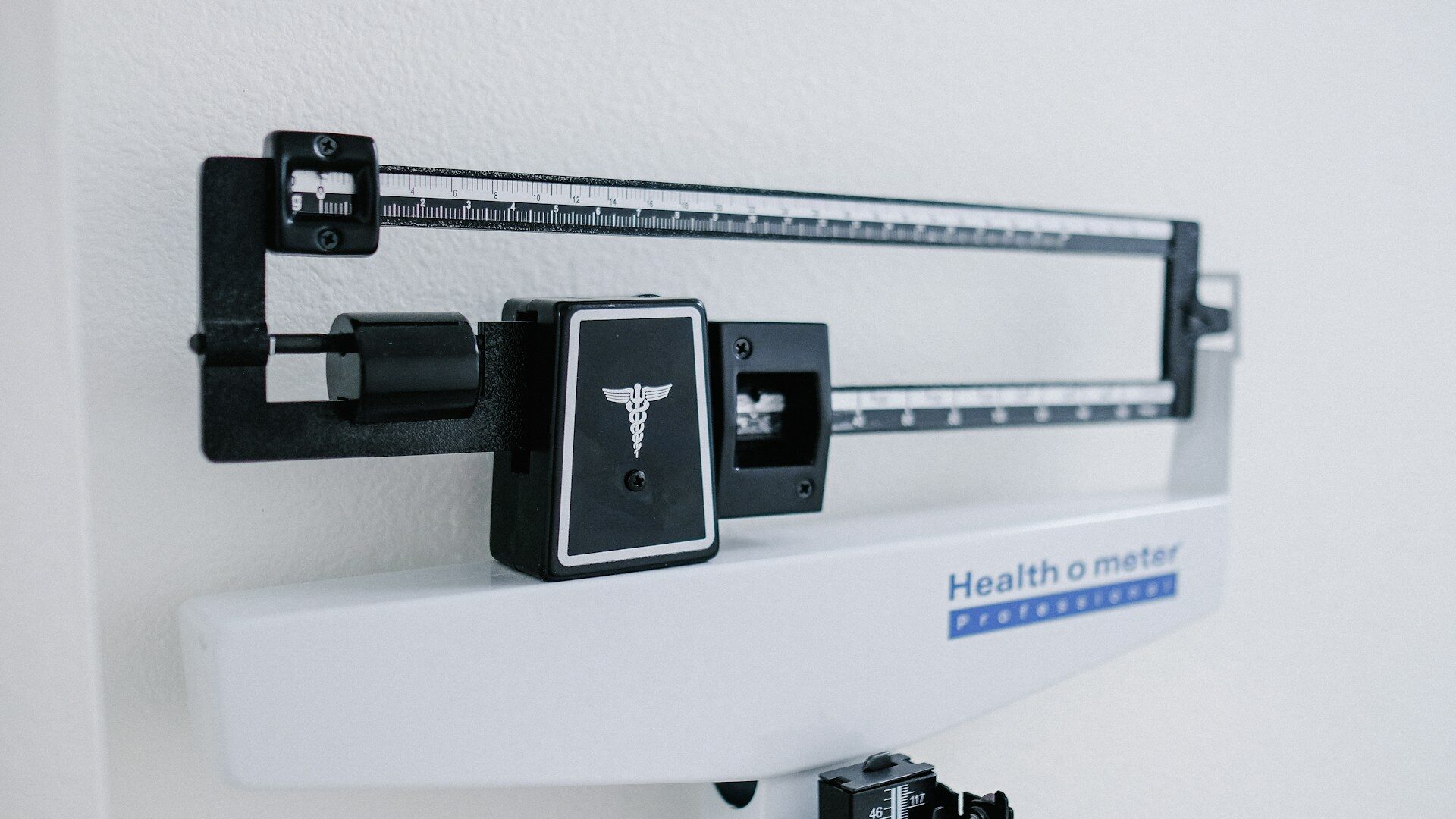
Ideal weight formulas promise a simple answer to a common question: how much should I weigh for my height? They are quick, easy and still used in some medical settings. But each formula gives a slightly different number, and none of them knows anything about your muscle, frame size or training. That is why it helps to understand what they do well and where they fall short.
Where These Formulas Come From
Most ideal weight formulas were created decades ago, often for practical reasons like estimating medication doses. They start with a base weight for a certain height and add a set amount for each extra inch. Our ideal weight calculator shows results from four well-known formulas side by side.
| Formula | Year | Original Purpose |
|---|---|---|
| Hamwi | 1964 | Quick clinical estimate |
| Devine | 1974 | Medication dosing |
| Robinson | 1983 | Revised version of Devine |
| Miller | 1983 | Another revision of Devine |
What They Get Right
These formulas are useful for a quick, rough reference. They account for height and sex, which are two of the biggest factors in how much a person typically weighs. For people with average muscle mass, the results often fall within a reasonable healthy range. They also give you a starting point for conversations with a doctor or for setting a long-term goal.
What They Miss
The biggest gap is body composition. Ideal weight formulas treat all weight the same, so a muscular lifter may look overweight on paper while being lean and healthy. They also ignore frame size, age and where you carry fat.
- Muscle mass: lifters often weigh more than the formula suggests.
- Frame size: people with larger bone structure naturally weigh more.
- Age: healthy weight can shift as you get older.
- Fat distribution: waist size matters more for health than total weight.
Why the Formulas Disagree
Because each formula uses a different base weight and step per inch, results can vary by several pounds for the same person. That difference is not an error. It is a reminder that there is no single perfect weight for any height. A healthy weight is a range, not a single point.
A Better Way to Use Ideal Weight
Instead of chasing one number, use the formulas to define a broad range, then check how you look, feel and perform within it.
- Note the lowest and highest results from the four formulas.
- Pair that range with a body fat estimate from our body fat calculator.
- Track your waist size and strength along with your weight.
- Adjust your goal based on energy, health markers and progress.
If you lift regularly, it is normal to sit above the formula range while still being healthy.
When to Talk to a Professional
If you are unsure what weight is healthy for you, or you have a medical condition, a doctor or registered dietitian can look at the full picture. They can consider blood work, family history and body composition, which no formula can capture.
Final Thoughts
Ideal weight formulas offer a quick reference based on height and sex, but they cannot see muscle, frame size or fat distribution. Treat their results as a broad range, combine them with body fat and waist measurements and focus on how your body performs. For more numbers that help, explore our fitness calculators.
FAQs
Which ideal weight formula is most accurate?
None is perfect for everyone. The Robinson and Miller formulas are common, but all give estimates.
Why are my ideal weight results different?
Each formula uses a different base and step per inch. That is why results can vary by several pounds.
Can I be healthy above my ideal weight?
Yes, especially if you carry extra muscle. Body fat and waist size give a better picture.
Should I set my goal weight from a formula?
Use it as a broad guide, not a strict target. Adjust based on how you feel and perform.









Write Your Review
No reviews yet. Be the first to share your experience!