

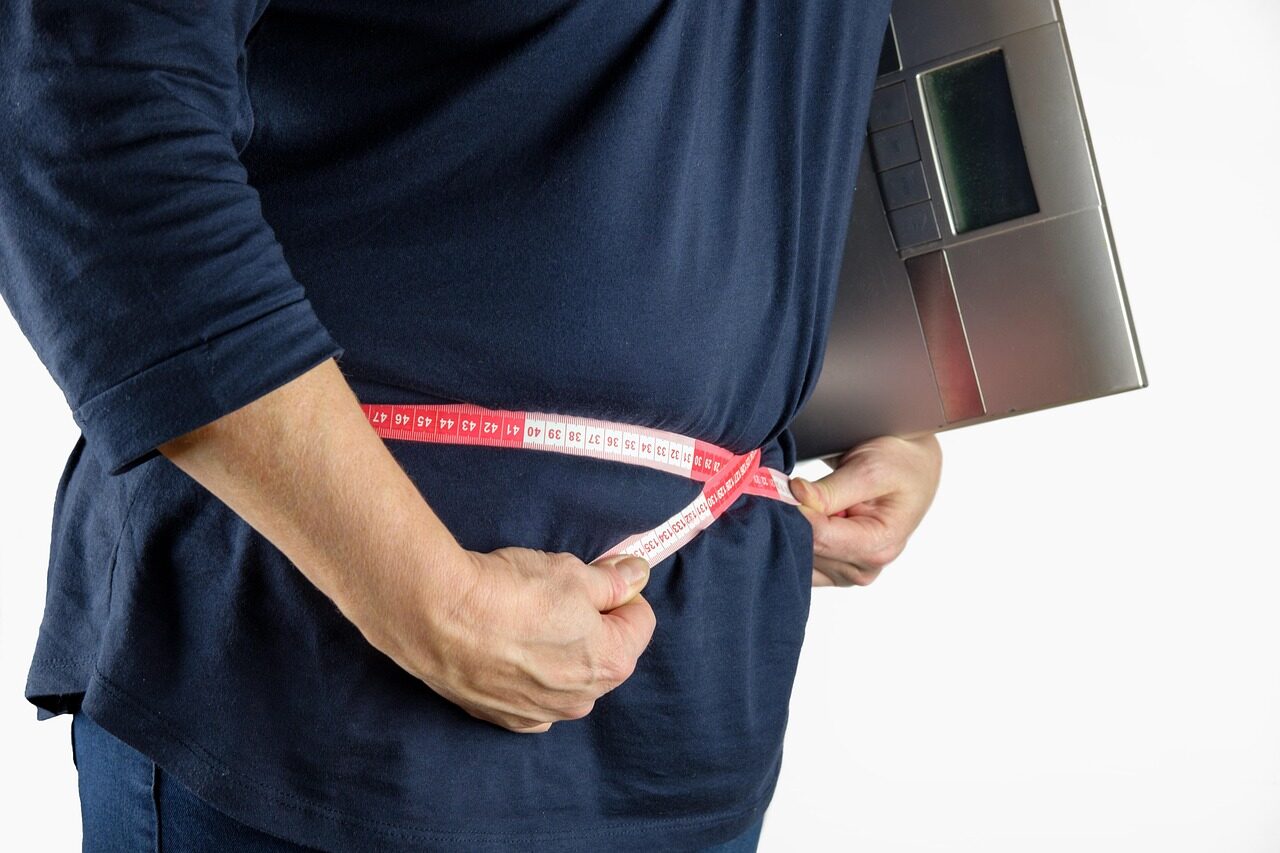
The scale tells you how much you weigh, but not what that weight is made of. If you are lifting and trying to lose fat at the same time, your weight might barely move while your body changes a lot. A tape measure fills that gap. With a few measurements and a simple formula, you can estimate body fat and track it over time without any expensive equipment.
Why a Tape Measure Works
The U.S. Navy method estimates body fat from a few circumference measurements plus your height. It was designed to be quick and practical for large groups, and it is still widely used today. While it is an estimate, its real strength is consistency. Measured the same way each time, it shows clear trends in your body composition.
Our body fat calculator uses this method and does the math for you.
Where to Measure
| Measurement | Who Needs It | Where to Place the Tape |
|---|---|---|
| Neck | Everyone | Just below the Adam’s apple area, tape angled slightly down |
| Waist | Everyone | Men at the navel, women at the narrowest point |
| Hips | Women | Around the widest part of the hips and buttocks |
| Height | Everyone | Standing straight without shoes |
How to Get Consistent Readings
Small changes in technique can shift your numbers, so build a routine and repeat it exactly.
- Measure first thing in the morning, before eating or training.
- Use a flexible cloth or plastic tape, not a metal one.
- Stand relaxed and breathe out normally, without sucking in.
- Keep the tape snug on the skin but not pressing in.
- Take each measurement two or three times and use the average.
Measuring on bare skin in front of a mirror helps you keep the tape level.
How Often to Measure
Body fat changes slowly, so measuring every day only shows noise. Every two to four weeks is enough to see a real trend. Write your results in the same notebook or app each time, along with your weight. Over several months, the pattern becomes clear.
Reading the Trend
Look at the direction of your numbers rather than any single reading.
- Waist down, weight steady: you are likely losing fat and gaining muscle.
- Waist and weight both down: you are losing fat.
- Waist up, strength flat: the extra weight is probably fat, so review your calories.
Pairing body fat with your BMI gives an even fuller picture. Our article on whether BMI is accurate for lifters explains how they work together.
Know the Limits
Like any home method, the tape is an estimate. Your result might be a few points higher or lower than a lab scan, especially if you carry fat in an unusual pattern. That is fine, since the goal is tracking change over time, not finding a perfect number. Progress photos taken in the same light and pose make a helpful extra check.
Final Thoughts
A tape measure, a consistent routine and the Navy method give you a free way to track body fat at home. Measure the same way every few weeks, focus on the trend and pair it with your weight and photos for a clear view of your progress. Explore more tools in our fitness calculators.
FAQs
How accurate is the tape measure body fat method?
It is a reasonable estimate, usually within a few points. Its biggest strength is tracking change over time.
How often should I measure body fat?
Every two to four weeks is enough. Daily readings mostly show normal fluctuation.
Where should men and women measure the waist?
Men usually measure at the navel, women at the narrowest point. Women also measure the hips.
Why is my weight the same but my waist smaller?
You may be losing fat while gaining muscle. That is a great sign if you are lifting.








Write Your Review
No reviews yet. Be the first to share your experience!