

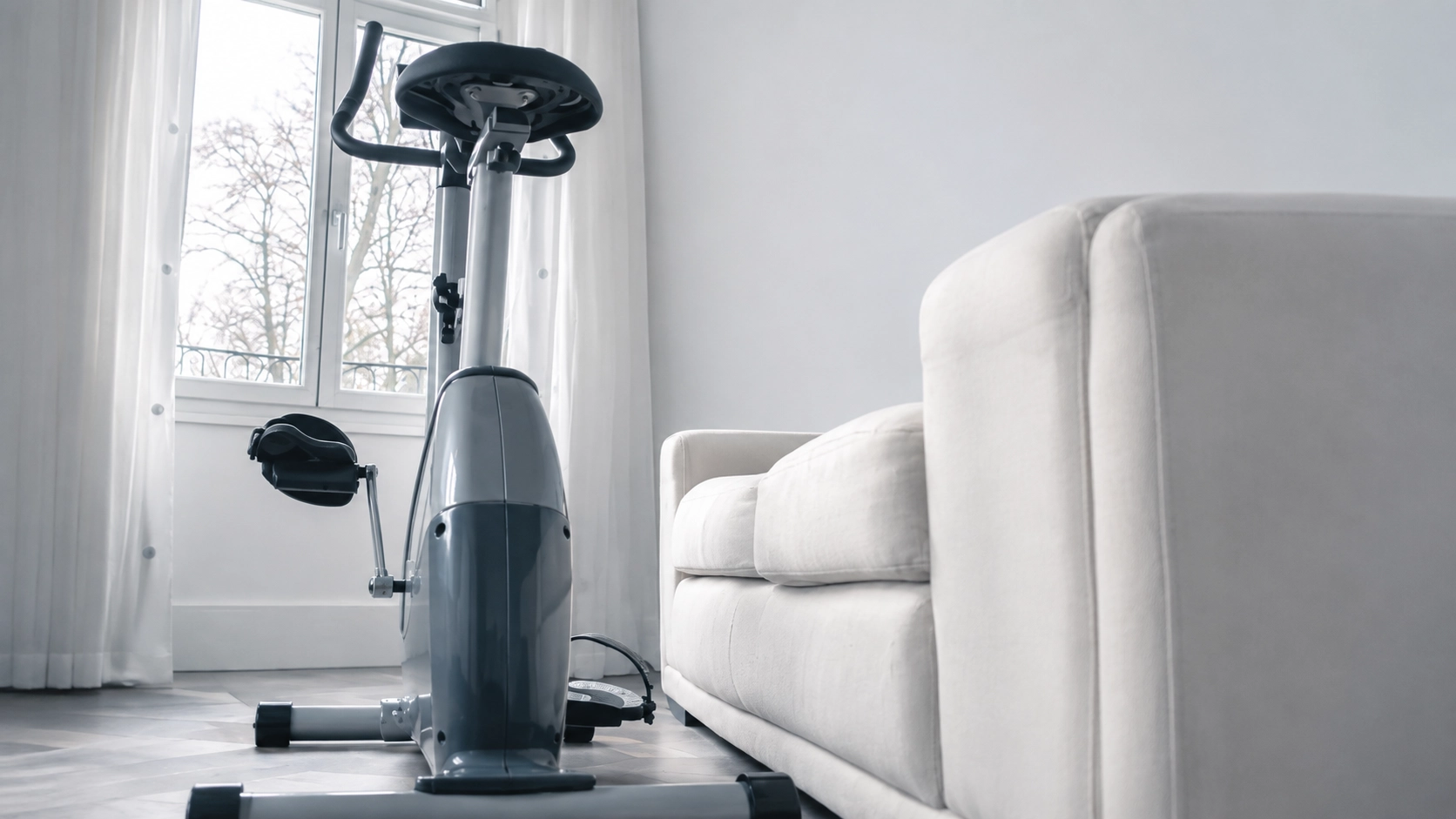
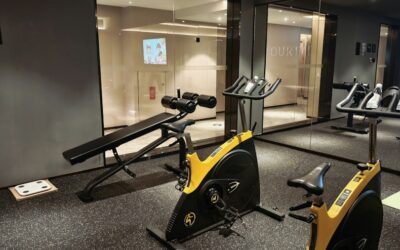
An exercise bike is the most apartment-friendly cardio machine there is, which is exactly why the small-space market is flooded with options that all claim to be compact. Some genuinely fold down to the width of a bookshelf. Others are “compact” in the sense that a sofa is compact if you tilt it. Here’s how to tell the difference before something arrives at your door that doesn’t fit through it.
Measure Before You Shop
Start with the space itself, not the product listings. You need three numbers: floor length, floor width, and the height of anything above the bike like a sloped ceiling or a low shelf.
Then account for clearance. A bike needs roughly 12 inches behind it to mount and dismount comfortably, plus a few inches on each side so your knees and elbows aren’t grazing a wall. A machine that technically fits in a corner but requires yoga to get onto will not get used.
If you plan to fold and store it, measure the storage spot too. Folded dimensions are often listed in the specs but easy to overlook, and a closet that’s four inches too narrow is a frustrating discovery.
Understand the Bike Types
Three styles dominate the small-space category, and they suit genuinely different people.
| Type | Footprint | Best For |
|---|---|---|
| Folding upright | Smallest, stores flat | Apartments, shared rooms, occasional use |
| Compact upright | Small but fixed | Dedicated corner, regular training |
| Compact recumbent | Longer but lower | Back support needs, low ceilings |
Folding bikes win on storage but tend to feel less stable at higher intensities. Fixed compact uprights ride better but stay where you put them. Recumbents take more floor length than you’d expect, so measure carefully if that’s your preference.
For folding models specifically, our roundup of the best folding exercise bikes under 1000 dollars covers units that collapse properly rather than just tucking in the handlebars.
Prioritize Quiet Operation
In a small space, noise matters more than almost any other feature. If your bike sits ten feet from where someone else is working or sleeping, a loud flywheel ends your training schedule fast.
Magnetic resistance is the answer. It works by moving magnets near the flywheel with no physical contact, which means almost no sound beyond the whir of the wheel. Friction-based bikes with felt pads are cheaper but audibly grind, and they get louder as the pad wears.
Belt drives are also quieter than chain drives. Between magnetic resistance and a belt drive, a good bike is quiet enough to use during a video call. Our review of the best low noise exercise bikes covers models that stay genuinely quiet under real effort, not just while pedaling gently.
Set a Realistic Budget
Small-space bikes run from about 150 dollars to well over 1000. The sweet spot for most people sits between 300 and 500 dollars, where you get magnetic resistance, a stable frame, and a usable display without paying for a subscription screen.
Below 250 dollars, expect lighter frames, less resistance range, and simpler consoles. That’s genuinely fine for light use, but the ride quality difference is noticeable if you train four or more times a week. Our roundup of the best exercise bikes for small spaces from 300 to 400 dollars covers that middle tier where value peaks.
Look at the weight capacity and flywheel weight rather than the price alone. A heavier flywheel gives a smoother pedal stroke, and a higher weight rating usually signals a sturdier frame overall. For a broader comparison across price points, browse our full exercise bikes category.
Consider the Alternatives First
A bike isn’t automatically the right answer for a small room, and it’s worth ruling out the alternatives honestly.
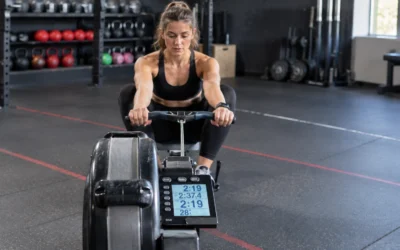
Rowing machines store vertically, which means they occupy almost no floor space when not in use, and they work more muscle groups per minute. Our list of the best lightweight rowing machines under 200 dollars covers models light enough to move alone.
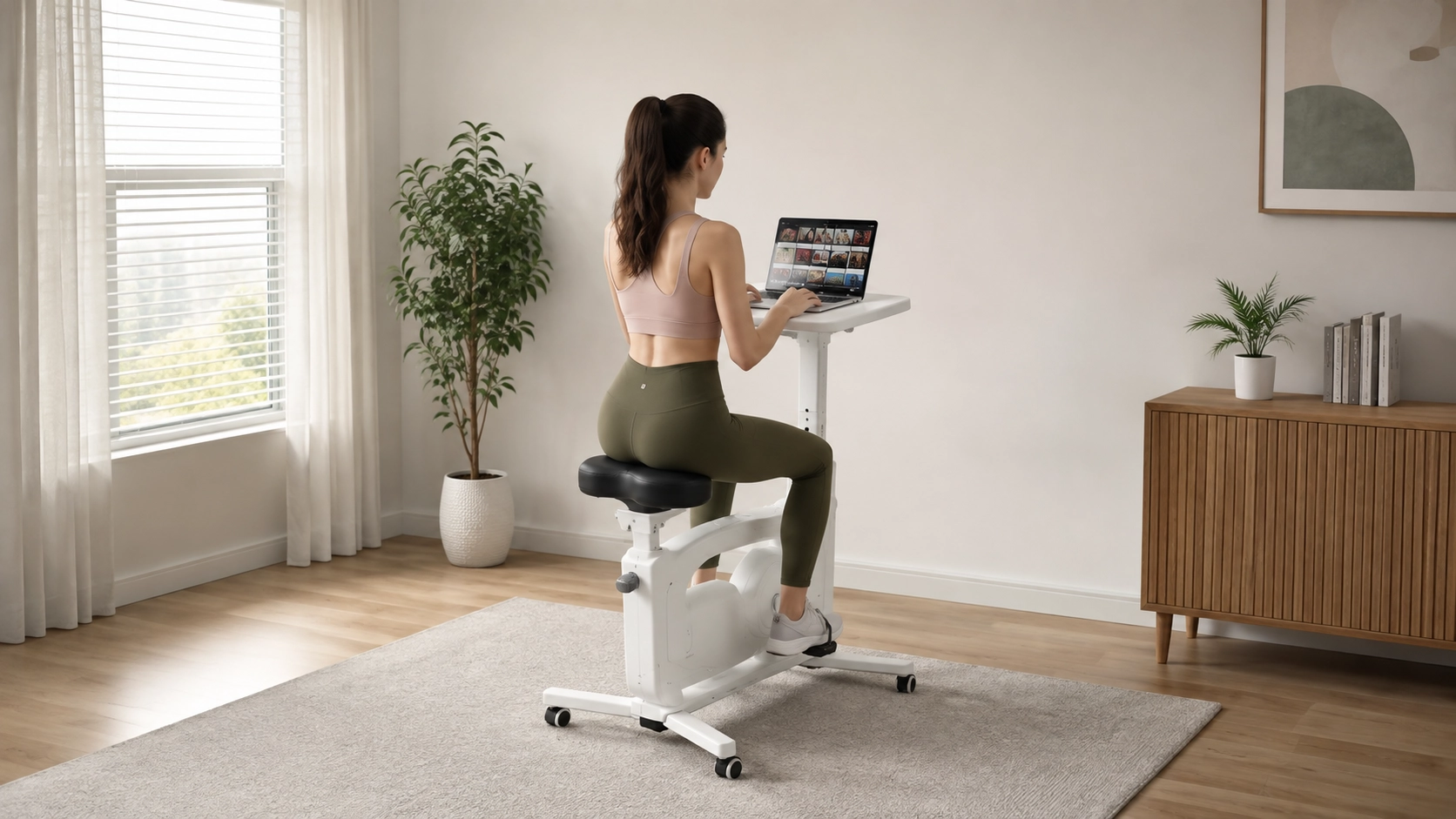
If your gym home shares a room with a desk, under-desk equipment may serve you better since it disappears entirely and lets you move while working. Our under-desk elliptical buying guide for home offices walks through that option.
That said, bikes remain the most versatile pick for most small rooms. Stationary bike workouts deliver strong cardiovascular and lower-body benefits with almost no joint impact, which makes them sustainable long term. For more equipment decisions, our buying guides category covers the rest of a small-space build.
Measure your space first, insist on magnetic resistance, and put your money into frame stability rather than screen size. Get those three right and a bike will fit into a small gym home far more gracefully than you’d expect.



Write Your Review
No reviews yet. Be the first to share your experience!