

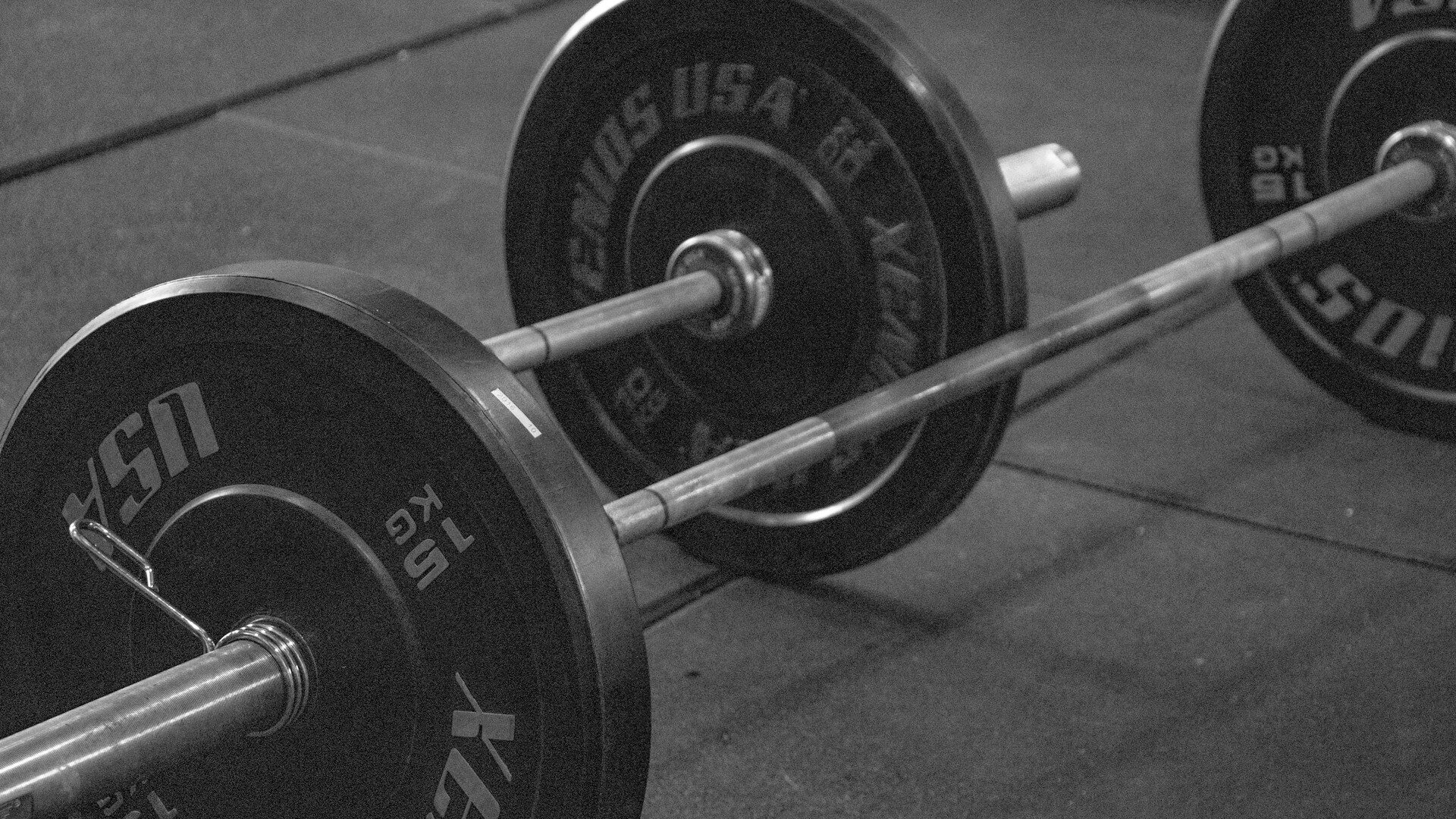
Your one-rep max, or 1RM, is the heaviest weight you can lift for a single clean rep. Many lifters see it as a goal to chase, but its most practical use is planning. Once you know your 1RM, you can choose the right weight for any set based on what you want to build: strength, muscle or endurance.
It takes the guesswork out of loading the bar, and it keeps your training steady instead of random.
You Do Not Need to Max Out to Know Your Max
Attempting a true one-rep max at home can be risky, especially without a spotter or safety arms. A safer approach is to estimate it from a lighter set. Lift a weight you can handle for about 3 to 10 good reps, then plug the weight and reps into our 1RM calculator. It uses the Epley formula, a method widely used by strength coaches.
Estimates are most accurate with sets of fewer than 10 reps, so use a challenging weight rather than a very light one.
Training Percentages by Goal
Once you have your estimated max, you can work in percentages. Each range trains a slightly different quality.
| Goal | Percent of 1RM | Typical Reps per Set |
|---|---|---|
| Max strength | 85 to 95 percent | 1 to 5 |
| Muscle growth | 65 to 85 percent | 6 to 12 |
| Muscular endurance | 50 to 65 percent | 12 to 20 |
| Technique and warm-up | 40 to 60 percent | 3 to 8 |
For example, if your estimated squat max is 200 pounds, a muscle-building set at 75 percent would be about 150 pounds.
Use a Training Max for Safer Progress
Many popular programs base their percentages on a training max, which is about 90 percent of your estimated 1RM. Working from a slightly lower number keeps your sets crisp, leaves room for bad days and makes long-term progress smoother. It is a simple way to avoid grinding through every session.
Adjust for How You Feel Today
Percentages are a guide, not a rule. Sleep, stress and nutrition can change how strong you feel from day to day. If a planned weight moves much slower than usual, drop it slightly. If it flies up easily, you can add a little. A useful check is to finish most sets with one or two good reps still in reserve.
- Bar moving fast and form solid: stay on plan or add a small amount
- Bar slowing and form slipping: reduce weight by 5 to 10 percent
- Pain or sharp discomfort: stop the exercise for the day
Recalculate as You Get Stronger
Your max will change as you train. Re-estimate it every four to eight weeks using a hard set of a few reps. Updating your numbers keeps your percentages accurate, so your training stays challenging without becoming reckless. Keep a simple log of your sets so you can see your progress over time.
Final Thoughts
Your one-rep max is a planning tool. Estimate it safely from a hard set, choose your working weights by goal, use a training max for steadier progress and adjust for how you feel each day. To put these numbers to work, try a structured plan like our beginner power rack workout.
FAQs
Do I need to attempt a true one-rep max?
No, an estimate is enough for most lifters. A hard set of 3 to 10 reps gives a reliable number.
What percentage of my max builds muscle?
About 65 to 85 percent works well for muscle growth. That usually means sets of 6 to 12 reps.
What is a training max?
It is about 90 percent of your estimated max. Many programs use it to keep training safer and more consistent.
How often should I update my max?
Every four to eight weeks is a good rhythm. Recalculate from a recent hard set.









Write Your Review
No reviews yet. Be the first to share your experience!