

A power rack is the one piece of equipment in a gym home that lets you squat, press, and pull heavy weight without a spotter standing over you. The problem is that most beginners buy one and then use it for two exercises. This is a full program that uses the whole thing, three days a week, in roughly 50 minutes a session.
What Your Rack Already Does for You
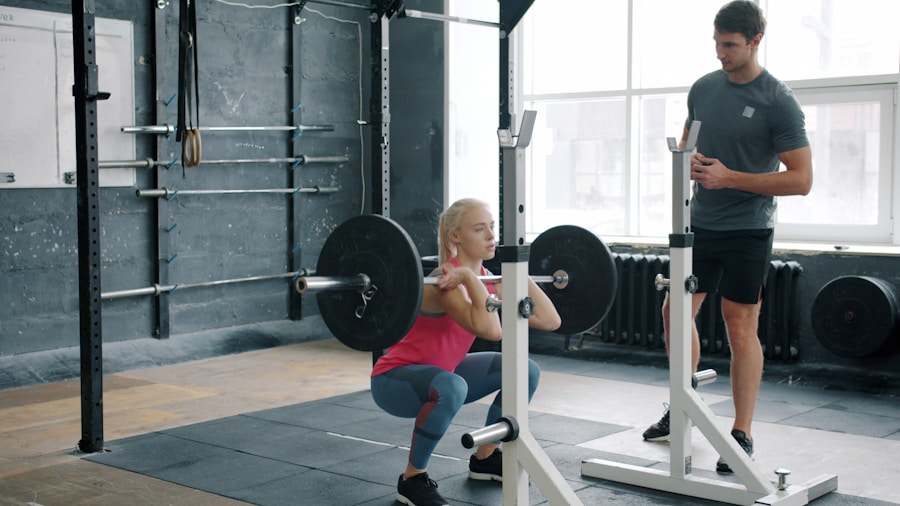
Before the program, understand the three parts you paid for. The J-cups hold the bar at your starting height. The safety arms catch the bar if a rep fails, and they should sit about 2 inches below your lowest bar position so they never interfere with a good rep. The pull-up bar across the top handles every vertical pulling movement you need for the first two years of lifting.
That is the whole machine. A frame with a 700 to 1,000 pound capacity in the $200 to $300 range runs this program exactly as well as a 1,000 pound commercial unit, which is why most people should start with a power rack built for beginners under 300 dollars and put the savings toward plates. Steel does not know how strong you are. If you want to see the full range of frame styles before committing, the power rack category breaks them down by footprint and capacity.
The Five Movements That Cover Everything
Squat, bench press, overhead press, barbell row, and deadlift. Add pull-ups from the top bar and you have trained every major muscle group. There is no sixth movement you are missing.
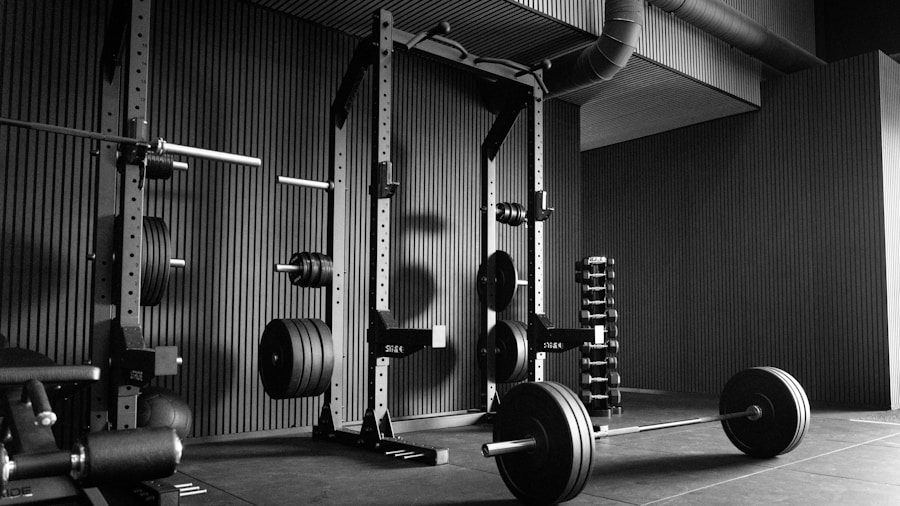
The squat and both presses happen inside the rack with safeties set. The row and deadlift happen just outside it. Pull-ups happen overhead. Nothing here requires an attachment, a cable, or a second station, which matters if you went with a wall-mounted rack in the 200 to 500 dollar range and are working with a 4 foot by 4 foot footprint.
The Three-Day Split
Train Monday, Wednesday, and Friday, or any pattern with a rest day between sessions. Every session starts with 5 to 8 minutes of light warm-up sets on the first lift.
| Day | Lift A | Lift B | Lift C |
|---|---|---|---|
| Day 1 | Squat 5×5 | Bench 5×5 | Row 5×5 |
| Day 2 | Squat 5×5 | Overhead Press 5×5 | Deadlift 1×5 |
| Day 3 | Squat 5×5 | Bench 5×5 | Pull-Ups 3xAMRAP |
Yes, you squat every session. Beginners recover fast enough to handle it, and the practice is worth more than the soreness costs you.
Sets, Reps, and Adding Weight
Rest 2 to 3 minutes between working sets on squats and deadlifts, 90 seconds on presses and rows. If you are the type who wants a number instead of a feeling, use a heart rate calculator and start your next set once you drop back near 65 percent of your max.
Add 5 pounds to upper body lifts and 10 pounds to lower body lifts each week, not each session. When you miss reps in the same lift twice in a row, drop the weight by 10 percent and build back up. That is the entire progression model. People overthink this part constantly.
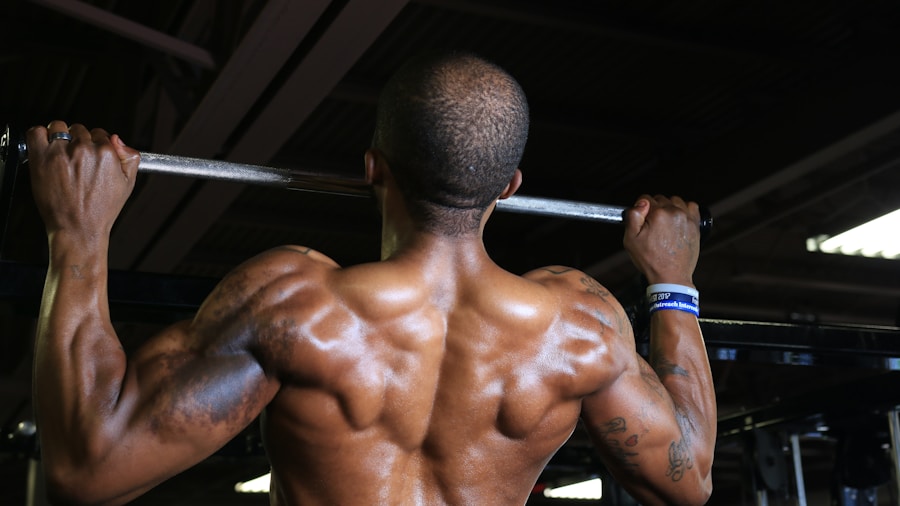
Pull-ups are the exception. If you cannot do three clean reps yet, loop a resistance band over the bar and work down to a lighter band every two weeks. If pulling is the weak link long term, a power rack with a lat pulldown under 1000 dollars gives you a scalable option instead of guessing at band tension.
What You Can Skip for the First Year
Here is the honest part. You do not need a cable system. A rack with a full pulley setup in the 3000 dollar range is a genuinely good purchase at some point, but it adds nothing to a program built on five barbell lifts, and buying one at month two mostly buys you a heavier object to feel guilty about.
You can also skip the weight belt until your squat passes bodyweight, skip specialty bars entirely, and skip the accessory exercises you saw on social media this week. Two curls at the end of a session are fine. Twelve are a different program.
Run this for 12 weeks before you change anything. On your off days, a beginner cardio plan you can run at home keeps conditioning up without cutting into recovery, and if travel or a busy week keeps you away from the rack, a dumbbell-only full body plan for a gym home covers the gap. The rack will still be there when you get back.





Write Your Review
No reviews yet. Be the first to share your experience!