

Tight hamstrings after leg day usually are not short. They are protective, meaning your nervous system is limiting range because the tissue just absorbed heavy eccentric loading. That distinction matters, because aggressive stretching on a protective muscle achieves nothing except irritating it. Here is what actually works and when to do it.
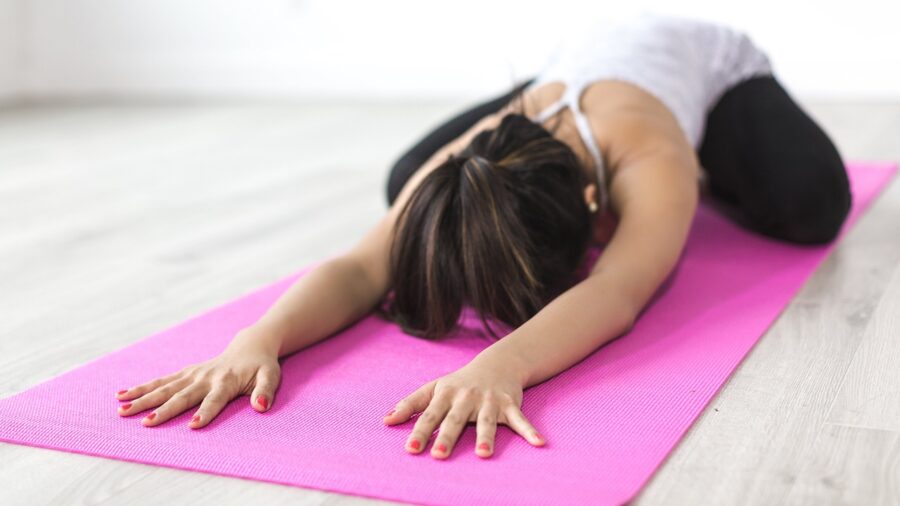
Warm the Tissue Before You Stretch It
Stretching a cold hamstring 12 hours after squats is the least productive version of this. Five to ten minutes of light movement first raises tissue temperature and improves how much range you can access, which means the same stretch produces a better result.
Walking works. So does easy cycling on any machine you already own. If your session was heavy enough that walking feels rough, low-resistance pedaling is gentler on the knees, and a bike like these NordicTrack exercise bikes built for HIIT training spins down to almost no resistance for exactly this purpose.
The Four Stretches Worth Doing
| Stretch | Hold | Targets |
|---|---|---|
| Supine strap stretch | 45 sec each | Full hamstring, safest |
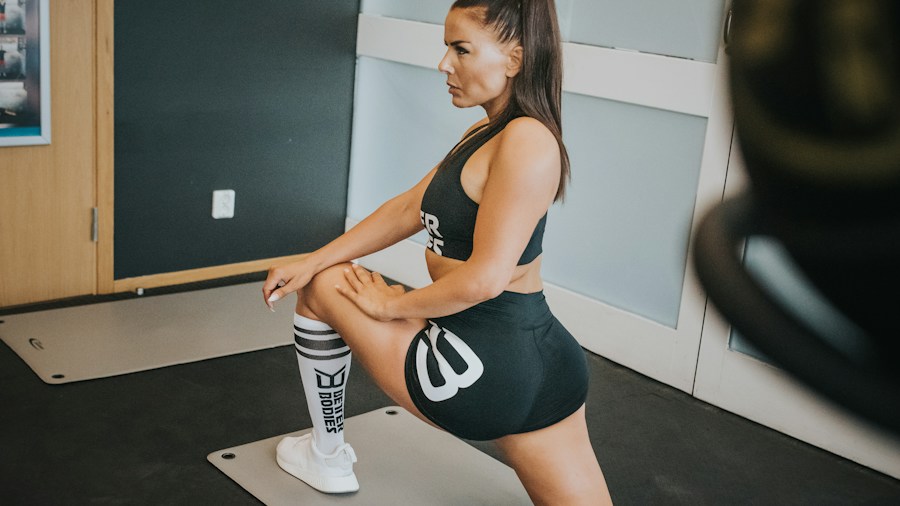
| Standing split stance | 30 sec each | Upper hamstring |
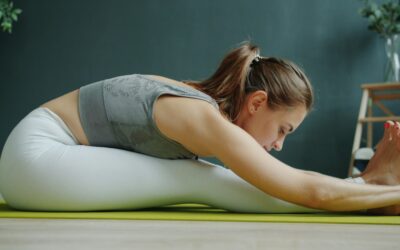
| Seated forward fold | 60 sec | Both legs, lower back |
| 90/90 hip rotation | 10 reps each | Hips and hamstring origin |
The supine strap stretch is the one to start with. Lying on your back removes the lower back from the equation entirely, which is where most seated hamstring stretches go wrong. Loop a strap or towel around your foot, keep the opposite leg flat, and raise the working leg until you feel tension rather than pain.
Two rounds of each takes about 8 minutes. Breathe normally and let the tension fade rather than pushing deeper every few seconds.
Keep Your Back Out of It
Here is the technique error that makes hamstring stretching feel useless. Rounding your spine to reach your toes shifts the stretch from the hamstring to the lower back, which is why people touch the floor and feel nothing in their legs.
Hinge from the hips with a flat back. You will not reach as far, and that is correct. A shallower stretch with proper positioning loads the hamstring far more than a deep one with a rounded spine. Keep a slight bend in the knee if you feel anything behind the joint. The same positioning principle applies across the cool-down stretching routine after strength training, which covers the rest of the body this session skips.
Loaded Stretching Beats Passive Holding
Passive stretching borrows range temporarily. Loaded stretching teaches your nervous system to accept it, which is why the effect lasts.
Romanian deadlifts with a light weight through a full range do more for hamstring flexibility over eight weeks than passive stretching does. So do walking lunges and incline walking, which loads the hamstrings eccentrically at a manageable intensity. Twenty minutes at a 5 to 8 percent grade on a treadmill with incline under 200 dollars the day after leg day counts as both active recovery and mobility work. Step-based machines like these Yoleo stair climbers produce a similar effect through hip extension under light load.
Know When It Is Not Just Tightness
Normal post-leg-day tightness is diffuse, affects both legs roughly equally, and improves with movement. Sharp pain, one-sided symptoms, or tightness that worsens over 48 hours is a different situation, and clinical guidance on hamstring injuries from Cleveland Clinic covers what separates the two.
Do not stretch through sharp pain. A strained hamstring stretched aggressively takes considerably longer to heal than one left alone for a week. General soreness patterns are covered in this guide on preventing muscle soreness after a gym home workout.
Some Tightness You Should Leave Alone
The contrarian part. Not every tight hamstring needs fixing, and chasing extreme flexibility is a goal most lifters do not benefit from.
A moderate amount of passive stiffness improves force transfer during sprinting and heavy hinging. Powerlifters and sprinters are rarely flexible, and it is not holding them back. If your hamstrings feel tight but your squat depth is fine and your deadlift setup is clean, you have enough range. Stretching more is not producing a return.
Track it with output rather than feel. Session data from machines with detailed displays, like these stair climbers with an LCD screen or a stair climber built for HIIT training under 2000 dollars, tells you whether recovery is actually improving across weeks. Feeling tight on a Tuesday is not a signal.
Warm up first, hold for 45 seconds, hinge from the hips, and add loaded work on your off days. The rest of the recovery phase guides cover the sleep and nutrition side that flexibility work sits on top of.
Tight hamstrings after leg day usually are not short. They are protective, meaning your nervous system is limiting range because the tissue just absorbed heavy eccentric loading. That distinction matters, because aggressive stretching on a protective muscle achieves nothing except irritating it. Here is what actually works and when to do it.
Warm the Tissue Before You Stretch It
Stretching a cold hamstring 12 hours after squats is the least productive version of this. Five to ten minutes of light movement first raises tissue temperature and improves how much range you can access, which means the same stretch produces a better result.
Walking works. So does easy cycling on any machine you already own. If your session was heavy enough that walking feels rough, low-resistance pedaling is gentler on the knees, and a bike like these NordicTrack exercise bikes built for HIIT training spins down to almost no resistance for exactly this purpose.
The Four Stretches Worth Doing
| Stretch | Hold | Targets |
|---|---|---|
| Supine strap stretch | 45 sec each | Full hamstring, safest |
| Standing split stance | 30 sec each | Upper hamstring |
| Seated forward fold | 60 sec | Both legs, lower back |
| 90/90 hip rotation | 10 reps each | Hips and hamstring origin |
The supine strap stretch is the one to start with. Lying on your back removes the lower back from the equation entirely, which is where most seated hamstring stretches go wrong. Loop a strap or towel around your foot, keep the opposite leg flat, and raise the working leg until you feel tension rather than pain.
Two rounds of each takes about 8 minutes. Breathe normally and let the tension fade rather than pushing deeper every few seconds.
Keep Your Back Out of It
Here is the technique error that makes hamstring stretching feel useless. Rounding your spine to reach your toes shifts the stretch from the hamstring to the lower back, which is why people touch the floor and feel nothing in their legs.
Hinge from the hips with a flat back. You will not reach as far, and that is correct. A shallower stretch with proper positioning loads the hamstring far more than a deep one with a rounded spine. Keep a slight bend in the knee if you feel anything behind the joint. The same positioning principle applies across the cool-down stretching routine after strength training, which covers the rest of the body this session skips.
Loaded Stretching Beats Passive Holding
Passive stretching borrows range temporarily. Loaded stretching teaches your nervous system to accept it, which is why the effect lasts.
Romanian deadlifts with a light weight through a full range do more for hamstring flexibility over eight weeks than passive stretching does. So do walking lunges and incline walking, which loads the hamstrings eccentrically at a manageable intensity. Twenty minutes at a 5 to 8 percent grade on a treadmill with incline under 200 dollars the day after leg day counts as both active recovery and mobility work. Step-based machines like these Yoleo stair climbers produce a similar effect through hip extension under light load.

Know When It Is Not Just Tightness
Normal post-leg-day tightness is diffuse, affects both legs roughly equally, and improves with movement. Sharp pain, one-sided symptoms, or tightness that worsens over 48 hours is a different situation, and clinical guidance on hamstring injuries from Cleveland Clinic covers what separates the two.
Do not stretch through sharp pain. A strained hamstring stretched aggressively takes considerably longer to heal than one left alone for a week. General soreness patterns are covered in this guide on preventing muscle soreness after a gym home workout.
Some Tightness You Should Leave Alone
The contrarian part. Not every tight hamstring needs fixing, and chasing extreme flexibility is a goal most lifters do not benefit from.
A moderate amount of passive stiffness improves force transfer during sprinting and heavy hinging. Powerlifters and sprinters are rarely flexible, and it is not holding them back. If your hamstrings feel tight but your squat depth is fine and your deadlift setup is clean, you have enough range. Stretching more is not producing a return.
Track it with output rather than feel. Session data from machines with detailed displays, like these stair climbers with an LCD screen or a stair climber built for HIIT training under 2000 dollars, tells you whether recovery is actually improving across weeks. Feeling tight on a Tuesday is not a signal.
Warm up first, hold for 45 seconds, hinge from the hips, and add loaded work on your off days. The rest of the recovery phase guides cover the sleep and nutrition side that flexibility work sits on top of.


Write Your Review
No reviews yet. Be the first to share your experience!