
Kettlebell sessions leave you sore in places that surprise people: forearms, upper back, and the lower back extensors that fired on every swing. This is because ballistic work loads tissue under speed rather than slow tension, and the recovery demand is different from a standard lifting session. Here is what the next 48 hours should look like.

The First 15 Minutes Matter Most
Do not sit down. Walk for 5 minutes while your circulation is still elevated, which clears metabolic byproducts from the legs and lower back far more effectively than any stretch you could do in the same window.
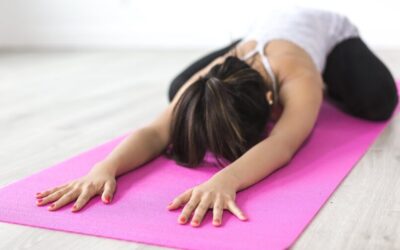
Then unlock your hips. Swings, cleans, and snatches drive repeated hip extension, and the flexors and adductors tighten in response. Hold a half-kneeling hip flexor stretch for 45 seconds per side with a deliberate pelvic tuck, then a frog stretch for 60 seconds to open the adductors. If you feel the hip flexor stretch in your lower back instead, you skipped the tuck.
Skip aggressive hamstring stretching right after swings. The tissue just absorbed several hundred rapid loading cycles near end range, and pulling on it while fatigued adds stress rather than relieving it.
Your Grip and Forearms Need Separate Attention
This is the part nobody plans for. A 40 minute complex means holding maximal grip tension for 40 second intervals, sometimes 30 or more times. Forearm flexors recover slower than most people assume, and grip fatigue is often what limits your next session rather than leg strength.
Two minutes of light wrist flexion and extension the following day helps. So does opening and closing your hands against light resistance, roughly 20 slow reps. Heavier bells make this worse, and anyone training with kettlebells for heavy lifters under 400 dollars should treat grip recovery as a scheduled item rather than an afterthought.
Check your palms too. Torn calluses from high-rep swings are the most common reason people miss a kettlebell session, and filing calluses flat once a week prevents nearly all of it.
The 48 Hour Timeline
| Window | Focus | Action |
|---|---|---|
| 0 to 15 min | Circulation | Walk and hip mobility |
| Within 2 hrs | Refuel | Protein and carbs |
| Overnight | Sleep | 7 to 9 hours |
| 24 hrs | Grip and hips | 10 min mobility |
| 48 hrs | Return | Next session |
Forty-eight hours between ballistic sessions is the floor, not a suggestion. Additional protocols across different training styles are covered in the recovery phase guides.
Eat and Drink Like You Trained Hard
A 25 minute complex burns 250 to 400 calories and depletes glycogen more than the short duration suggests, because the work is continuous rather than set-and-rest. Aim for 25 to 40 grams of protein within two hours plus a real carbohydrate source, and this guide on what to eat after a strength training session covers the specifics.
Fluid loss is higher than people expect from a session this short. Continuous work with no rest intervals drives core temperature up fast. Drink 16 to 20 ounces within the first hour, and use a water intake calculator to set a daily baseline worth hitting before you start adjusting anything else.
Soreness in Your Lower Back Is a Signal, Not a Badge
Here is the honest part. Mild lower back fatigue after swings is normal. Sharp or one-sided pain is not, and the difference matters more than anything else in this article.
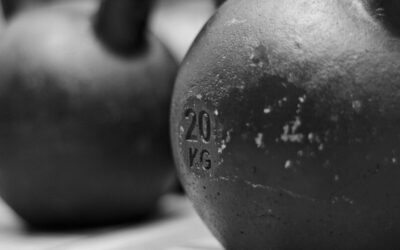
Most lower back complaints after kettlebell work trace back to rounding under fatigue in the final rounds, not to the weight itself. If your back is consistently the sorest thing the next morning while your glutes and hamstrings feel fine, your hinge is breaking down and you should drop a bell size before your next session. Moderate weights like these Titan Fitness kettlebells for full body workouts let you rebuild the pattern without losing training stimulus.
One more small thing that prevents injury: set the bell down, do not drop it. Bells with a wide flat base like these flat-base kettlebells for small apartments under 200 dollars sit stable between rounds, which matters when you are tired and reaching for the handle without looking.
Walk, stretch the hips, eat, sleep, and give it 48 hours. The full kettlebell lineup covers sizing if your recovery keeps telling you the bell is too heavy.


Write Your Review
No reviews yet. Be the first to share your experience!