

The honest answer for most gym home racks is: less often than you think, and probably in fewer places. A basic 4-post rack has almost nothing that needs grease. Add a pulley system and suddenly you have eight moving components on different schedules. Here is what actually needs attention and when.
A Bare Rack Barely Needs Grease at All
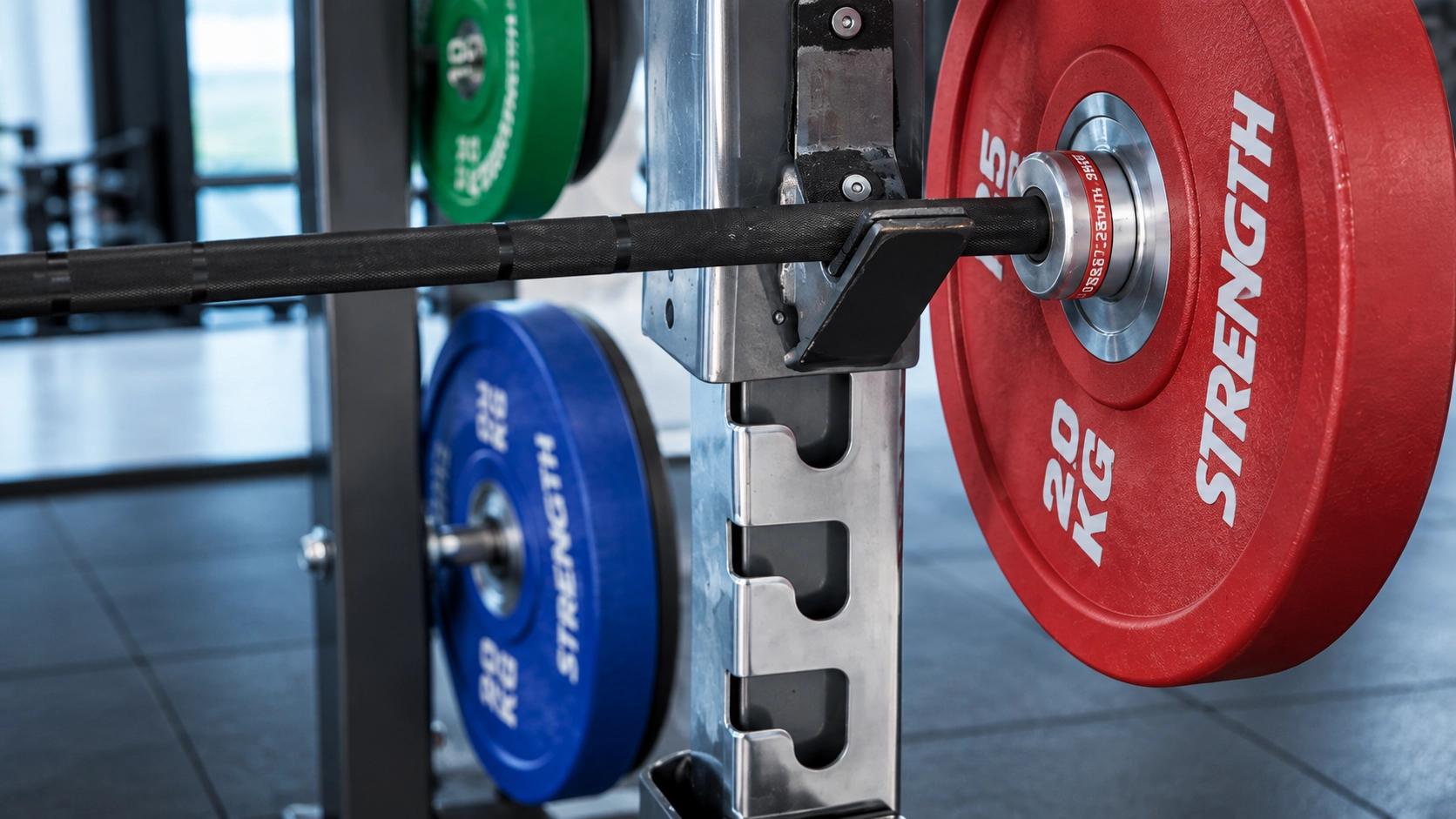
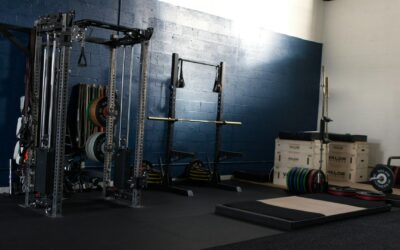
A standard 4-post rack with J-cups, safety arms, and a pull-up bar has no bearings, no cables, and no pivot points. There is nothing to grease. What it needs instead is a dry inspection every 3 months: check bolt torque, look for powder coat wear where J-cups slide, and confirm the safeties still seat cleanly.
Loose bolts are the real maintenance item here. Steel frames settle over the first 60 days, and a 1/4 turn on each hardware point after two months of use prevents the rattle people mistake for a lubrication problem. If you are shopping and want to keep maintenance minimal, the simpler builds in the power rack lineup are effectively maintenance-free for years.
The Actual Schedule by Component
| Component | Interval | Product |
|---|---|---|
| Frame bolts | 3 months | None, torque check |
| Folding hinges | 6 months | White lithium |
| Pulleys and bearings | 6 to 12 months | White lithium |
| Cables | 12 months | Silicone spray |
| Guide rods | 3 to 6 months | Silicone or dry PTFE |
These intervals assume 3 to 4 sessions a week. Double the frequency if your rack lives in a garage where humidity swings past 60 percent, and cut it in half for a climate-controlled room used twice a week.
Wall-Mounted and Folding Racks Need Hinge Attention
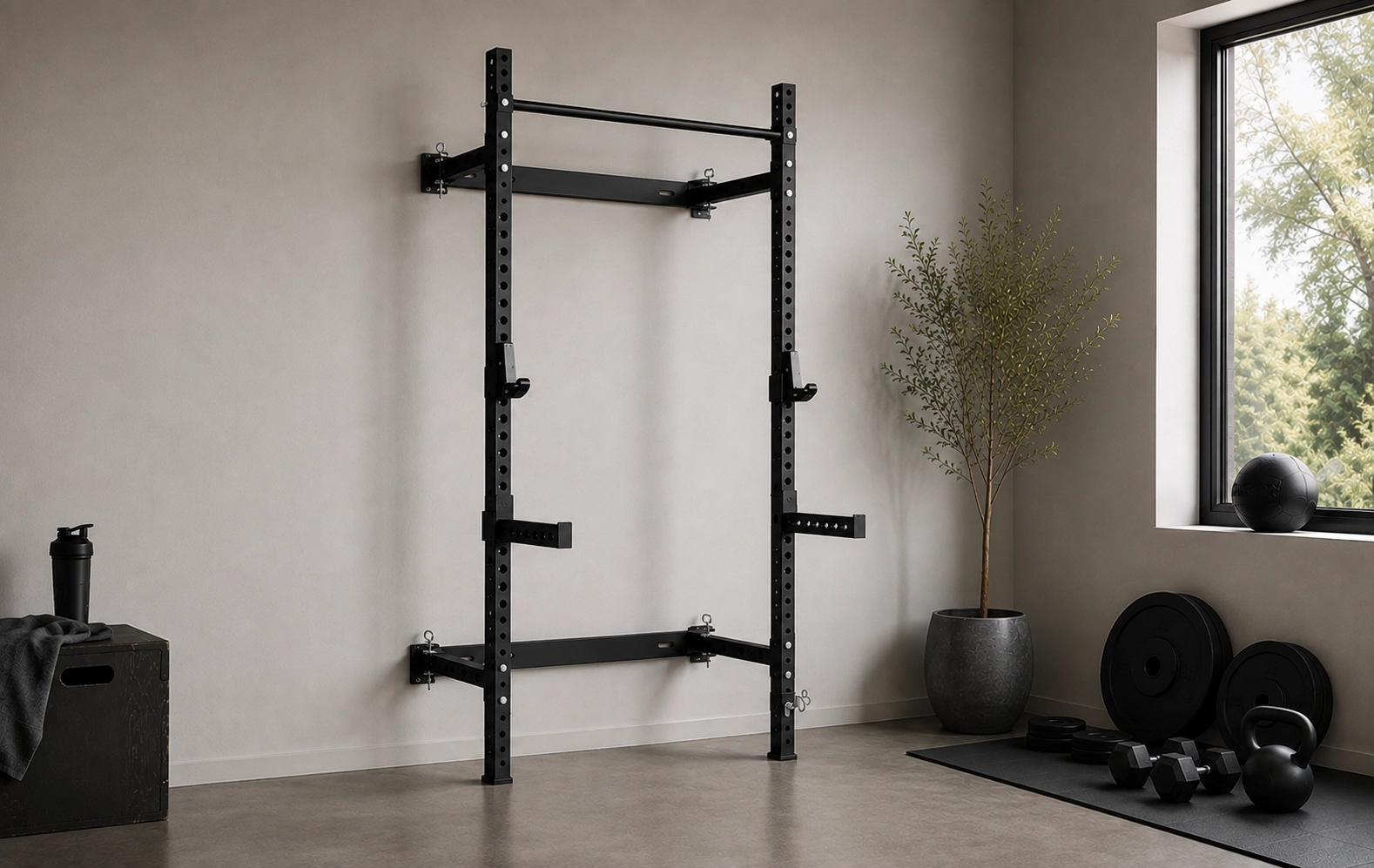
Folding racks add pivot hardware that a fixed frame does not have, and those hinges take the full weight of the arms every time you fold them. A thin coat of white lithium grease at the hinge pin every 6 months keeps the fold smooth and prevents the metal-on-metal grinding that eventually elongates the pin hole.
Do not use WD-40 here. It is a solvent and a water displacer, not a lubricant, and it strips whatever grease was already in place. This is the same class of mistake covered in the barbell cleaning mistake that rusts bars: using the wrong product confidently. Owners of wall-mounted racks in the 200 to 500 dollar range should also check the wall anchor bolts at the same 6 month mark, since fold cycles put repeated stress on the mounting plate.
Pulleys and Cables Are the Real Maintenance Item
This is where a rack goes from zero maintenance to an actual schedule. Cable systems have sealed or semi-sealed bearings in each pulley, nylon-coated steel cable, and often a linear guide rod for the carriage.
Pulleys get white lithium at the axle every 6 to 12 months. Cables get a wipe with a dry cloth and a light silicone spray annually, mainly to keep the nylon coating from drying and cracking. Guide rods on lat pulldown carriages need silicone or dry PTFE every 3 to 6 months, since grease attracts chalk dust and turns into a grinding paste.
Racks with integrated stations like these power racks with a lat pulldown under 1000 dollars have two or three pulleys. Full cable setups such as a rack with a complete pulley system under 3000 dollars can run eight or more, which is worth knowing before you buy. Bundled builds like the Sportsroyals racks with a complete setup land in between.
Noise Does Not Mean You Are Late
Here is the contrarian point. A squeak is not a maintenance emergency, and plenty of people over-grease their rack chasing one. Excess grease collects chalk and dust, forms a dark paste, and accelerates the wear you were trying to prevent.
Most rack noise comes from J-cups seating, plates shifting, or a bolt that backed off, none of which grease fixes. Diagnose before you lubricate. If the noise appears only under load and disappears when you tighten hardware, you had a torque problem the whole time. Broader maintenance timing across your setup is covered in the gear care guides, and storage habits matter too, as this piece on storing a weight bench when not in use explains.
Regular power rack maintenance with proper re-greasing intervals keeps your equipment performing smoothly and extending its lifespan, ensuring consistent training quality in your gym home.Set a phone reminder for a 15 minute quarterly check: torque bolts, wipe guide rods, spin the pulleys by hand. That covers nearly everything. Grease only what moves.




Write Your Review
No reviews yet. Be the first to share your experience!