

Most barbells do not rust because their owners neglect them. They rust because their owners clean them wrong, usually with something wet, and then walk away feeling responsible. The mistake takes about 30 seconds to make and about six months to show up as orange pitting in the knurling.
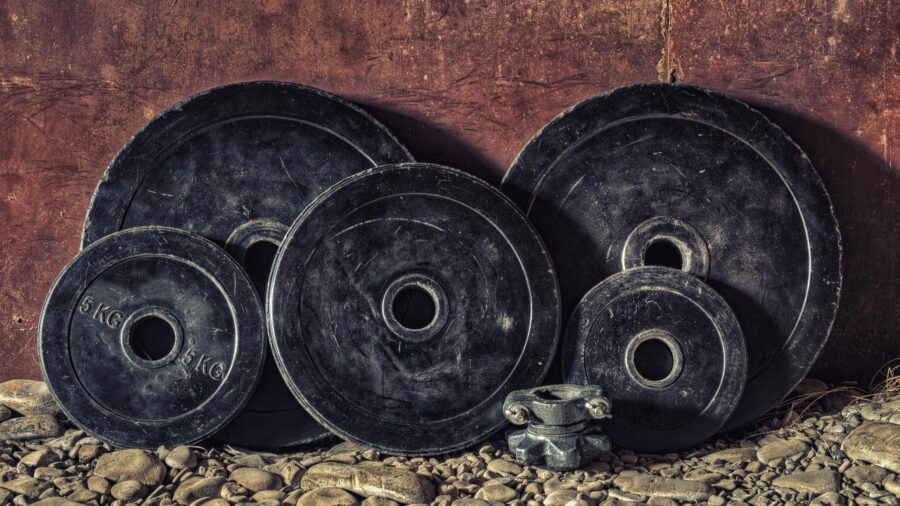
The Mistake: Wiping Your Bar With a Disinfectant Wipe
Here is the specific thing to stop doing. Grabbing a gym wipe or a spray bottle of disinfectant, running it down the shaft, and racking the bar. It feels like maintenance. It is the fastest way to corrode bare steel.
Disinfectant wipes are mostly water with alcohol or quaternary ammonium compounds. Water sits in the knurling grooves where a towel cannot reach, and bare steel or black oxide finishes have no protective barrier holding it off. Quats are also mildly corrosive to uncoated metal. You are not sanitizing your bar so much as marinating it.
The finish determines how much this matters. Stainless steel shrugs it off. Cerakote and hard chrome tolerate it. Bare steel and black oxide, which is what most bars in the $200 to $400 range use, start showing surface rust within weeks in a humid garage.
What to Use Instead
A dry nylon brush and a rag. That is the entire correct procedure, and it takes 90 seconds.
| Finish | Cleaning Method | Frequency |
|---|---|---|
| Bare steel | Dry brush, then oil | Weekly |
| Black oxide | Dry brush, then oil | Every 2 weeks |
| Hard chrome | Dry brush | Monthly |
| Cerakote | Dry brush | Monthly |
| Stainless | Dry brush | Every 6 to 8 weeks |
Brush along the knurling to lift out chalk, skin, and sweat residue. Wipe the shaft with a dry rag. For bare steel and black oxide, follow with a light coat of 3-in-1 oil or mineral oil on a cloth, then wipe off the excess. The goal is a film you can barely see, not a slick bar you cannot grip. Building this into a routine works better than remembering it, and this yearly gym home maintenance checklist puts bar care on a schedule alongside everything else in the room.
Humidity Does More Damage Than Sweat
Sweat gets blamed for rust because it is visible. Ambient moisture causes more of it because it never stops.
Keep relative humidity under 50 percent where the bar lives. A $150 dehumidifier in a garage or basement does more for your bar than any cleaning product on the shelf. Never store a bar directly on concrete, which wicks moisture upward, and avoid leaving it loaded in the rack for weeks, since sleeve pressure traps moisture against the collar area.
Chalk is worth a note. It absorbs moisture, which helps during a set and hurts afterward if you leave it packed in the knurling. Brush it out the same day. If you are pulling heavy and chalking up regularly, this walkthrough on performing a barbell deadlift correctly at home covers grip setup that reduces how much you need.

Specialty Bars Need More Attention, Not Less
Bars with moving parts or complex geometry collect moisture in places a rag never reaches. Rotating sleeves on hex trap bars in the 200 to 400 dollar range hold bushing grease that thins over time, and a drop of oil at the sleeve seam every three months keeps the spin honest.
Angled shafts on cambered barbells for powerlifters create low points where moisture pools, so check the underside of the bend, not just the top. On pre-loaded barbells under 100 dollars, the weld seams where the plates meet the shaft are the first place corrosion shows. Inspect there first.
Sleeves that start sounding gritty are telling you something. This guide on preventing squeaky noises on gym home equipment covers the lubrication points people usually miss.
The Rust You Should Ignore
Now the honest part. Light surface rust in the knurling of a bare steel bar is normal, and scrubbing at it every time you see a speck does more harm than the rust does.
Bare steel oxidizes. That is the tradeoff you accepted in exchange for the best grip feel available. A few orange flecks after a year affect nothing structurally, and aggressive wire-brushing gradually flattens knurling you paid for. Address it when the rust becomes rough to the touch or spreads across the shaft. Otherwise, oil it and lift.
What does need attention is anything sweat-related on the grip surface between users, which is a hygiene issue rather than a corrosion one, and this guide on deep cleaning gym equipment to prevent bacteria buildup covers where the actual risk sits.
Ninety seconds with a brush after each session and a light oil pass every two weeks keeps a bar in usable shape for decades. The disinfectant wipe is the enemy. Put it back on the shelf and let the bar stay dry.


Write Your Review
No reviews yet. Be the first to share your experience!