

The gap between a 200 dollar bench and a 700 dollar bench isn’t obvious from a product photo. Both have a pad, both adjust, both hold a person. The difference shows up on rep 40 of a heavy set, three years into ownership, when one still feels solid and the other has developed a personality. Here’s what your money actually buys as you move up the price ladder in a gym home.
Where the Money Actually Goes
Price differences in fitness equipment come down to a handful of measurable things, not marketing. Steel thickness, weld quality, bearing type, pad density, and finish durability account for most of the gap.
| Factor | Budget Tier | Higher Tier |
|---|---|---|
| Steel gauge | 14 to 12 gauge | 11 gauge or thicker |
| Weight capacity | 300 to 600 lbs | 1000 lbs and up |
| Welds | Spot or partial seam | Full continuous seam |
| Bearings | Bushings or basic sealed | Sealed precision bearings |
| Pad foam | Lower density, compresses faster | High density, holds shape |
| Finish | Powder coat, thinner application | Multi-stage coating or plating |
| Warranty | 1 to 3 years | 10 years to lifetime on frame |
None of that matters if you’re pressing 95 pounds twice a week. All of it matters if you’re pushing near capacity five days a week for a decade.
Benches: Where Budget Works and Where It Doesn’t
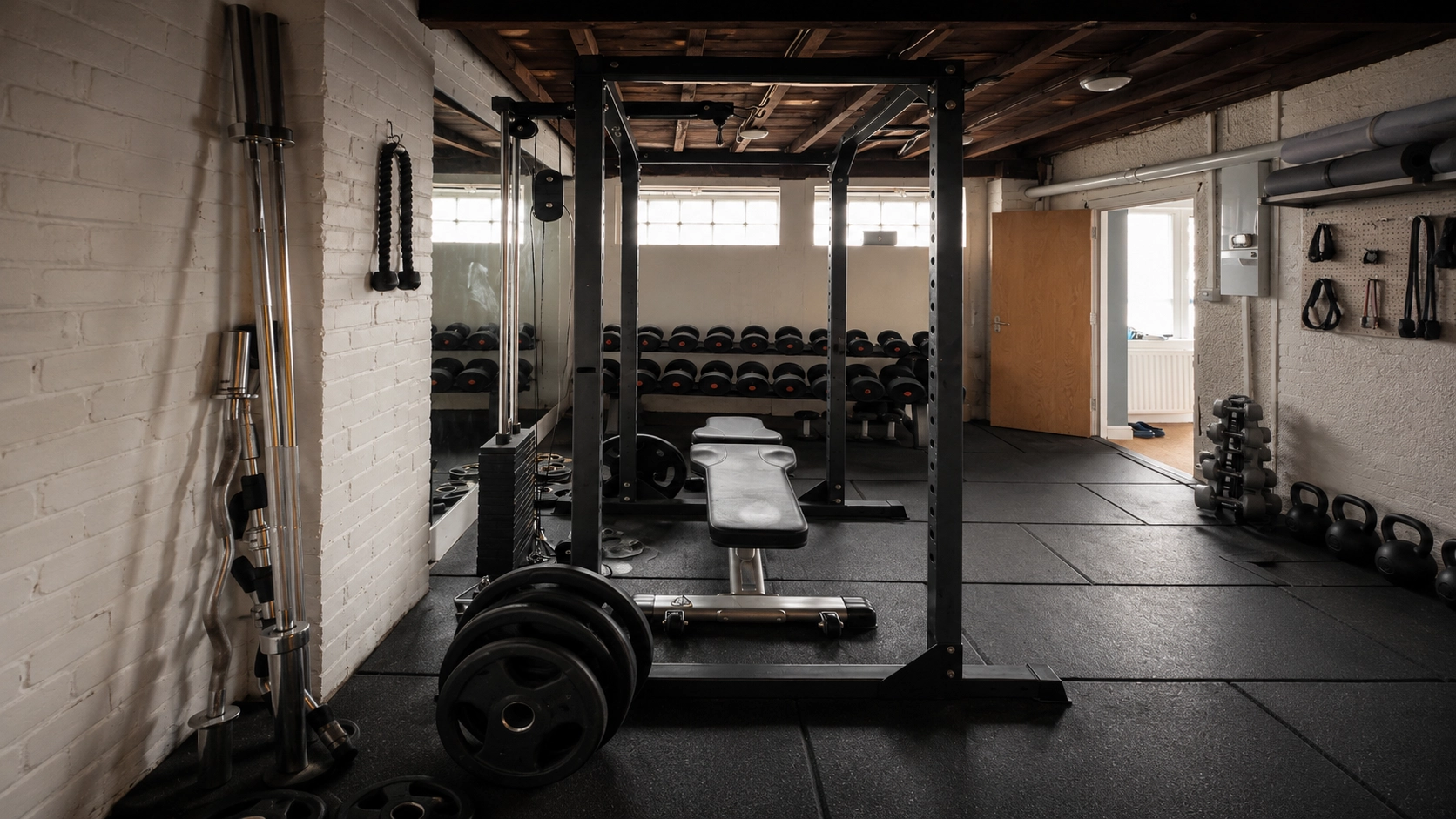
Benches are the clearest example of tier differences because you feel them directly. Cheaper pads compress and go soft within a year of regular use, which changes your shoulder position on press movements. Cheaper adjustment mechanisms develop play, so the back pad shifts slightly under load.
That said, budget benches are genuinely fine for a lot of people. If your pressing numbers are moderate and you train three times a week, models from our roundup of the best adjustable weight benches under 200 dollars handle the job without complaint. Benches with added leg extension attachments give you more exercise options at the same price point, and our list of the best weight benches with leg extension under 200 dollars covers those.
Spend more when you’re pressing heavy, you’re tall enough that pad length matters, or the bench wobble is affecting your confidence under the bar.
Dumbbells: Cost Per Pound Tells the Story
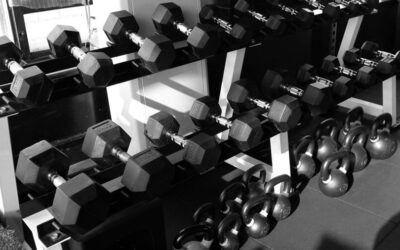
Dumbbells are mostly iron, so the price difference comes from finish, handle knurling, and rack quality rather than the weight itself. Budget sets use thinner chrome or basic cast iron that chips, and the included racks are often the weak point.
For light to moderate training, budget sets deliver almost all the value. Our review of the best CAP dumbbells with rack under 200 dollars covers sets that cost a fraction of higher-tier options and last for years with basic care.
Larger complete sets are where paying more starts to make sense, since you’re buying rack stability alongside a lot of weight. Our roundup of the best dumbbell sets with rack under 2500 dollars covers full-range setups where the rack has to hold several hundred pounds safely.
Racks and Machines: Where Spending More Pays Off Most
This is the category where the tier gap has real safety consequences. A bench failing is annoying. A rack failing while you’re under a loaded bar is a different conversation entirely.
Higher-tier racks use thicker steel, deeper hole spacing, and better J-cup design, and they hold their tolerances as bolts loosen and retighten over years. Complete rack packages give you the best value in the middle of the market, and our list of the best power racks with complete setup under 3000 dollars covers bundles that include bar and plates.
Add a pulley system and complexity increases, which is where build quality separates further. Our review of the best power racks with pulley system under 3000 dollars covers models where the cable components hold up alongside the frame. Cable crossover systems demand even more, since smooth pulleys and quality cables are the whole point, and our roundup of the best Smith machines with cable crossover system under 4000 dollars covers that tier.

How to Decide Where to Spend
The honest rule: spend more on anything that holds weight above your body, and save on anything that just holds weight near the floor.
- Spend up on: Racks, benches you press heavy on, barbells, cable components.
- Save on: Plates, fixed dumbbells, kettlebells, mats, accessories.
- Buy once, cry once: Anything you’d be replacing within three years anyway.
- Buy cheap first: Equipment for a training style you haven’t committed to yet.
Your goals should drive the split. Our guide on how to set a gym home budget based on your fitness goals breaks down allocation by training focus, and our guide on how much you should spend on a gym home setup covers total build costs by tier.
Higher-tier gear isn’t a scam and budget gear isn’t a trap. Both are correct answers to different questions. Match the equipment to the loads you actually lift and the years you actually plan to lift them, and the right tier becomes obvious.

Write Your Review
No reviews yet. Be the first to share your experience!