

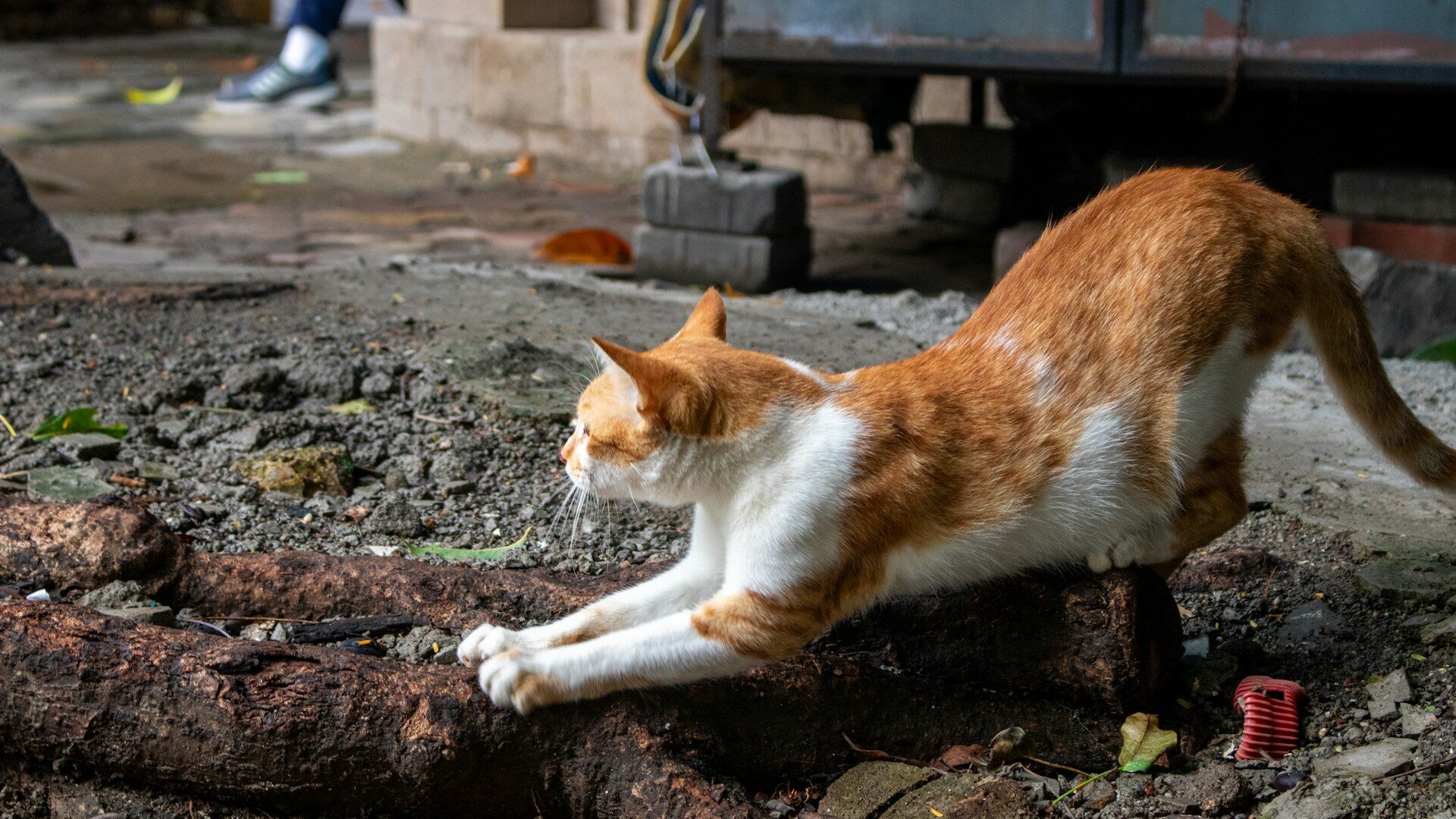
A stiff lower back is one of the most common complaints among people who train at home. Deadlifts, squats, rowing and long hours sitting at a desk can all leave the muscles around your spine and hips feeling tight. A short, gentle stretching routine can help you feel looser and recover between sessions.
This routine focuses on general stiffness, not injury. If you have sharp pain, numbness or pain that runs down your leg, see a doctor or physical therapist before stretching.
All six moves can be done on a mat at home, with no equipment needed. Move slowly into each position and stop at a point of mild tension rather than pushing into discomfort. Breathing slowly through the nose helps your muscles relax, so the stretch deepens naturally over the hold.
Six Gentle Stretches
| Stretch | Main Area | Hold or Reps |
|---|---|---|
| Knees-to-chest | Lower back, glutes | 30 sec |
| Cat-cow | Whole spine | 8-10 slow reps |
| Child’s pose | Lower back, lats | 30-45 sec |
| Supine twist | Lower back, hips | 30 sec each side |
| Figure-four stretch | Glutes, piriformis | 30 sec each side |
| Pelvic tilt | Core, lower back | 10-12 reps |
How to Do Each Stretch
- Knees-to-chest: lie on your back and gently hug both knees toward your chest.
- Cat-cow: on hands and knees, slowly round your back up, then let it sink gently.
- Child’s pose: kneel, sit back toward your heels and reach your arms forward.
- Supine twist: lie on your back, drop both knees to one side and keep your shoulders down.
- Figure-four: cross one ankle over the opposite knee and pull the lower leg toward you.
- Pelvic tilt: lie with knees bent, flatten your lower back into the floor, then release.
When to Stretch
Use cat-cow and pelvic tilts as part of your warm-up. Hold the longer stretches after training, when your muscles are warm. On rest days, the full routine is a nice way to loosen up after sitting. For lifting days, our Smith machine recovery stretches and deadlift recovery guide are good companions.
Tight Hips Often Play a Role
Lower back stiffness is often linked to tight hips and hamstrings. Stretching those areas can make a big difference. See our guide to stretches for tight hamstrings for more ideas.
Habits That Help Your Back
Strengthen your core and glutes, keep a neutral spine when lifting and avoid rounding your lower back under heavy loads. Take short movement breaks if you sit for long periods. A foam roller can help the upper back and glutes, but avoid rolling directly on the lower spine.
Final Thoughts
Six gentle stretches can ease lower back stiffness after home workouts and long days. Move slowly, breathe deeply and never force a position. Pair stretching with core strength and good lifting technique, and seek professional help if pain persists or feels sharp.
FAQs
How long should I hold lower back stretches?
About 30 seconds per stretch. Repeat once or twice, moving slowly and breathing deeply.
Should I stretch if my lower back hurts?
Gentle stretching can help general stiffness, but not sharp pain. See a professional for sharp, lasting or radiating pain.
Can I foam roll my lower back?
It is better to avoid rolling directly on the lower spine. Roll the glutes and upper back instead.




Write Your Review
No reviews yet. Be the first to share your experience!