

A heavy deadlift session taxes more than your hamstrings. Pulling 315 for triples loads your spinal erectors, grip, central nervous system, and hips all at once, which is why the soreness pattern the next morning feels different from any other lift. Recovery here is less about stretching and more about giving your nervous system enough runway. Here is what to do in the 72 hours that follow.

The First 20 Minutes
Do not sit down immediately. Walk for 5 to 10 minutes at an easy pace to keep blood moving through the lower back and hips while circulation is still elevated. This does more for next-day stiffness than any stretch you could do in the same window.
Skip aggressive static stretching of the hamstrings right after heavy pulls. The tissue has just been loaded near end range under significant tension, and yanking on it while it is fatigued adds stress rather than relieving it. Save the deeper stretching for 24 hours later.
Hydrate before you eat. Heavy compound work under load produces meaningful fluid loss even without much visible sweat, and 20 to 24 ounces in the first hour is a reasonable target. A water intake calculator sets your daily baseline, which matters more than the post-session number.
Eat Like You Actually Trained
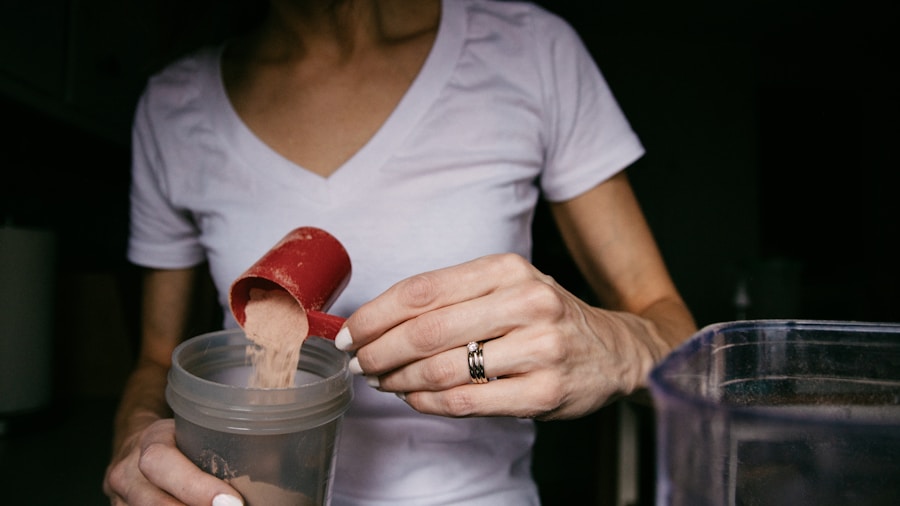
Deadlifts recruit more total muscle mass than any other lift, and the repair demand reflects that. Aim for 30 to 40 grams of protein within two hours and treat your daily total, roughly 0.7 to 1 gram per pound of bodyweight, as the number that matters.
Carbohydrates matter more than people expect for a lift that looks like pure strength work. A heavy session of 5 to 8 working sets depletes glycogen substantially, and coming into your next training day underfed is a common reason performance stalls with no obvious cause.
Sodium is worth a mention. Cramping in the hamstrings or lower back the night after heavy pulls is frequently a fluid and electrolyte issue rather than a muscular one.
The 72 Hour Timeline
| Window | Focus | Action |
|---|---|---|
| 0 to 2 hrs | Circulation | Walk, hydrate, eat |
| 2 to 12 hrs | Sleep | 7 to 9 hours |
| 24 hrs | Mobility | Hip and hamstring work |
| 48 hrs | Light activity | 20 to 30 min easy cardio |
| 72 hrs | Return | Next heavy pull |
Sleep is the item on this list that does the most work and gets the least attention. Growth hormone release peaks during deep sleep, and five hours a night undoes most of what the other steps accomplish. Additional recovery methods worth layering in are covered across the recovery phase guides.
Grip and Lower Back Deserve Separate Attention
Your forearms took a beating and nobody plans for it. Heavy pulls hold near-maximal grip tension for 20 to 40 seconds per set, and forearm flexors recover slower than most people assume. Two minutes of light wrist flexion and extension the following day helps more than ignoring it.
Lower back stiffness is normal. Sharp, localized pain on one side is not, and the difference matters. Most lower back complaints after deadlifts trace back to a rounding pattern under fatigue rather than the weight itself, and this walkthrough on performing a barbell deadlift correctly at home covers the bracing setup that prevents it.
If spinal loading is your limiter rather than leg strength, the bar choice changes the equation. A trap bar for deadlifts under 300 dollars shifts the load closer to your center of mass and reduces shear force on the spine, which is why plenty of lifters run trap bar variations during heavier training blocks. Options in the 200 to 400 dollar hex bar range add features like dual handle heights that let you adjust the pull without changing the weight.

Deload Less Often Than You Think
Here is the contrarian part. Most lifters pull heavy once a week and then schedule a deload every fourth week because a program told them to. If you are deadlifting 405 or less and training three days a week, you probably do not need a formal deload that often.
Deloads exist for accumulated systemic fatigue, and that accumulates faster at higher absolute loads. A lifter pulling 550 needs them regularly. A lifter pulling 275 usually needs better sleep and more food, not a lighter week. Watch for stalled bar speed on your opening warm-up sets across two consecutive sessions. That is a real signal. Feeling tired on a Tuesday is not.
What does help between heavy sessions is submaximal volume with a different implement. A cambered barbell for powerlifters changes the loading pattern enough to build work capacity without repeating the same stress, and lighter accessory work with pre-loaded barbells under 100 dollars covers rows and RDLs without needing to strip plates between sets.
Give heavy pulls 72 hours before repeating them, eat enough to justify the effort, and sleep like it counts. If you want structured programming around that schedule, the training guides lay out weekly splits, and the full barbell lineup covers which bar suits which pulling style. Recovery is unglamorous. It is also the reason the number goes up.




Write Your Review
No reviews yet. Be the first to share your experience!