

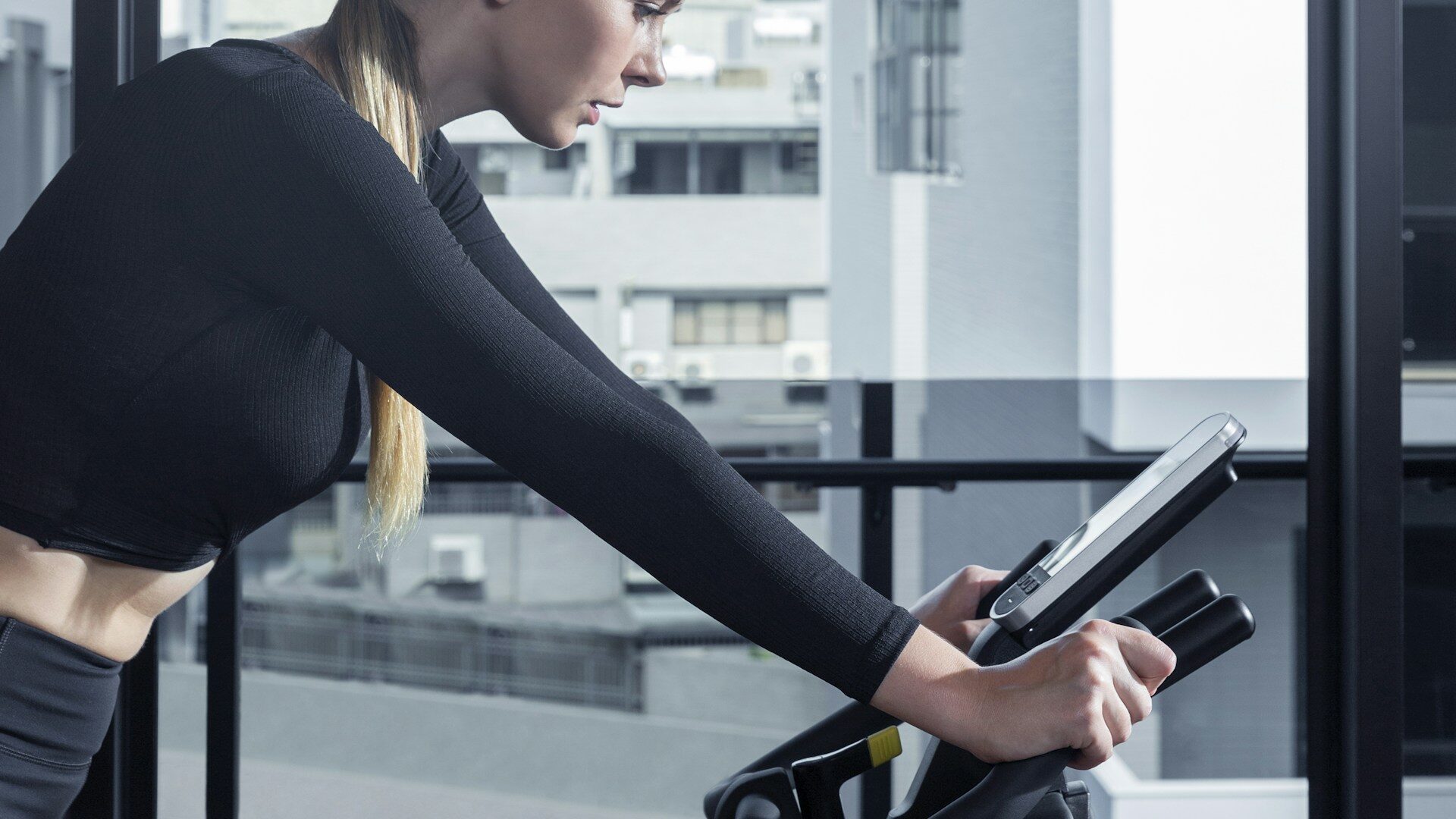
Knee pain can make running, jumping and even long walks feel like a bad idea. The good news is that your heart and lungs do not care how you get your heart rate up. Low-impact cardio keeps your feet supported and your joints moving smoothly, so you can stay fit while giving your knees a break.
Here are workout ideas you can do at home, plus the setup details that make each one easier on your knees. If you have an injury or ongoing pain, check with a doctor or physical therapist before starting.
Why Low-Impact Cardio Helps
High-impact exercise sends a jolt through your knees with every landing. Low-impact options remove that pounding. Many of them also involve smooth, repeated knee bending, which helps move joint fluid and keeps the muscles around the knee strong. Stronger quads, hamstrings and glutes take pressure off the joint over time.
Best Home Equipment for Sore Knees
| Equipment | Knee Stress | Best For |
|---|---|---|
| Recumbent bike | Very low | Beginners, older adults, sensitive knees |
| Upright bike | Low | Steady cardio and intervals |
| Elliptical | Low | Full-body work with a walking motion |
| Rowing machine | Low to moderate | Full-body conditioning with good form |
| Incline walking | Low to moderate | Building endurance on a treadmill |
Workout 1: Steady Bike Ride
Ride for 20 to 30 minutes at a pace where you can still speak in full sentences. Keep resistance light to moderate. Heavy resistance at a slow cadence puts more strain on the knee, so aim for smooth, quick pedaling instead. If you are new to the bike, our exercise bike workout guide for beginners is a good place to start.
Workout 2: Elliptical Pyramid
Warm up for 5 minutes. Then raise resistance one level every 2 minutes for 10 minutes, and lower it one level every 2 minutes for the next 10. Finish with a 5-minute easy cooldown. Keep your whole foot on the pedal and avoid locking your knees at the bottom of each stride.
Workout 3: Mixed Low-Impact Circuit
If you own more than one machine, mixing them spreads the load across different movement patterns:
- 8 minutes on the bike at a moderate pace
- 8 minutes on the elliptical at a moderate pace
- 4 minutes of easy rowing, focusing on pushing with the legs and keeping the knees tracking straight
- 5 minutes of slow walking to cool down
Repeat two or three times a week, and add a few minutes as it starts to feel easy.
Setup Tips That Protect Your Knees
- Bike seat height: your knee should keep a slight bend at the bottom of the pedal stroke. A seat that is too low is a common cause of knee pain.
- Foot position: keep your feet pointing straight ahead and your knees in line with your toes.
- Warm up: spend the first five minutes at very easy effort so the joint can loosen up.
- Listen to pain: mild muscle effort is fine. Sharp or growing joint pain is a sign to stop.
Final Thoughts
Bad knees do not mean the end of cardio. Bikes, ellipticals, rowers and incline walking all let you train hard with far less impact. Set up your equipment carefully, favor smooth movement over heavy resistance and build up gradually. Find more routines in our training guides.
FAQs
Is cycling good for bad knees?
Yes, for most people. Cycling is low impact and strengthens the muscles around the knee, as long as the seat height is set correctly.
Is the elliptical or bike better for knee pain?
A recumbent bike is usually the gentlest option. The elliptical works well too, and some people prefer its standing, walking-like motion.
Can rowing hurt my knees?
It can if your form is off. Avoid sliding too far forward and keep your knees tracking over your toes.
How often should I do low-impact cardio?
Three to five sessions a week works for most people. Start with shorter sessions and build up as your knees tolerate it.









Write Your Review
No reviews yet. Be the first to share your experience!