


Finish a workout and you will probably see a calorie number somewhere: on the treadmill console, on your watch or in an app. The trouble is that these numbers often disagree, sometimes by a lot. That leaves an obvious question: which one should you trust?
The honest answer is that every calories burned figure is an estimate. Knowing how the estimates work helps you use them without being misled.
How Calories Burned Are Estimated
Very few people have their energy use measured directly, because that requires lab equipment that analyzes the air you breathe. Everything else uses formulas. Most calculators rely on MET values, short for metabolic equivalent of task. One MET is roughly the energy you use sitting still. A brisk walk might be around 4 METs, while hard rowing can be 8 or more.
Multiply the MET value by your body weight and the time you spent, and you get an estimate. That is how our calories burned calculator works.
Why Different Sources Disagree
Each source uses different inputs and assumptions:
| Source | What It Uses | Common Weak Spot |
|---|---|---|
| Machine console | Speed, resistance, sometimes your weight | Often assumes a default body weight |
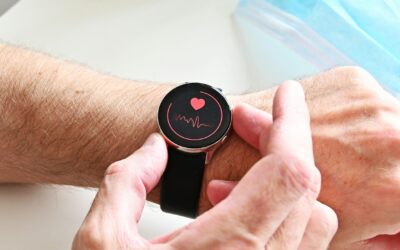
| Wrist tracker | Heart rate, movement, your profile | Heart rate readings can lag during intervals |
| Chest strap with app | Heart rate, your profile | Still a formula, but steadier heart data |
| MET calculator | Activity type, weight, time | Assumes an average effort level |
Research on consumer fitness trackers has found that they usually track heart rate reasonably well but can miss on calories by a wide margin. Treat any single number as a ballpark figure.
Why Your Real Burn May Be Lower
Most displays show gross calories, meaning everything you burned during the session, including the energy you would have used anyway just by being alive. For a one-hour workout, that baseline can be close to 100 calories for many adults. Holding the handrails on a treadmill or stair climber also lowers your real effort while the console keeps counting as if you were not holding on.
How to Use the Numbers Sensibly
- Compare against yourself: the same device on the same workout is useful for spotting trends, even if the exact value is off.
- Enter your real weight: update your profile on machines and apps so the formula has better inputs.
- Do not eat back every calorie: if you track food, consider eating back only part of the estimate, or leave it out and plan with your daily total instead.
- Watch the scale over weeks: your actual weight trend is the most honest feedback you will get.
Plan With Your Daily Total Instead
A more reliable approach is to estimate your total daily energy expenditure, which already includes your typical activity, and set your eating around that. Our TDEE calculator does the math. Then adjust by a small amount every couple of weeks based on how your weight changes.
Final Thoughts
Calories burned numbers are helpful estimates, not exact measurements. Use them to compare workouts and stay motivated, but lean on your daily total and your real progress to make diet decisions. For more planning tools, visit our fitness calculators.
FAQs
Are treadmill calorie counts accurate?
They are rough estimates. Many consoles assume a default weight and count gross calories, so the number often runs high.
Is my fitness watch better than the machine?
Not always. Watches add heart rate data, but studies show their calorie numbers can still be far off.
Should I eat back the calories I burn?
Only part of them, if any. Because estimates tend to run high, eating back every calorie can stall fat loss.
What is a MET value?
A MET is a measure of exercise intensity. One MET equals the energy you use at rest, and harder activities have higher values.






Write Your Review
No reviews yet. Be the first to share your experience!