

Tight hips after a heavy squat session are not a sign you skipped stretching. They are a sign your hip flexors and adductors spent 40 minutes under load in a deep, repeated range of motion. The fix is targeted mobility work in a specific window, not a generic five-minute stretch routine you rush through while checking your phone.
Why Squats Lock Up Your Hips Specifically
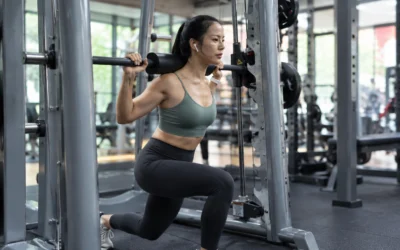
Squatting loads the hip flexors, adductors, and glutes through their end range under significant weight. The adductors in particular do far more work than most lifters realize, stabilizing the knee against valgus collapse on every rep.
What you feel the next morning is a mix of muscle stiffness and joint capsule tightness. These respond to different interventions, which is why static stretching alone often does not fix it. Understanding the difference between normal stiffness and something worse matters, and this guide on preventing muscle soreness after a gym home workout covers where that line sits.
The First 15 Minutes After Your Last Set
Do not sit down. Walk for 5 minutes at an easy pace while your circulation is still elevated. This is the single highest-return thing on this list and almost nobody does it.
Then move through three positions, holding each 45 to 60 seconds per side:
- Half-kneeling hip flexor stretch: back knee down, squeeze the glute on that side, tuck the pelvis under. If you feel it in your lower back, you skipped the pelvic tuck.
- 90/90 hip rotation: both knees at right angles, rotate slowly side to side for 10 controlled reps.
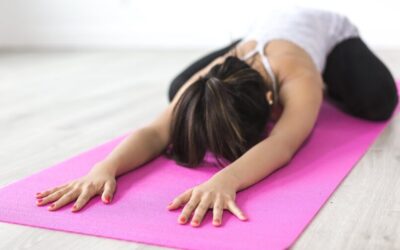
- Frog stretch: knees wide, rock backward gently. This targets the adductors that squats hammer.
Watch your heart rate settle during this. Once you drop back near 60 percent of your maximum, your body has shifted into recovery mode, and a heart rate calculator gives you the actual number rather than a guess. The broader cool-down stretching routine after strength training covers the upper body work this session skips.
The 24 to 48 Hour Window Matters More
Here is what most people miss. The mobility work you do the day after squatting produces better results than what you do immediately after, because tissue temperature is normalized and you can actually control the range.
| Timing | Focus | Duration |
|---|---|---|
| Immediately | Walk and light stretch | 15 min |
| 24 hours | Loaded mobility | 10 to 12 min |
| 48 hours | Light movement | 20 to 30 min |
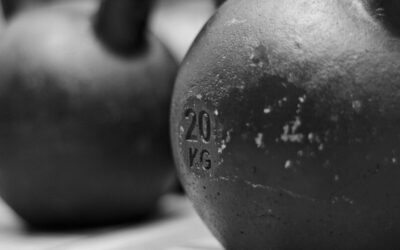
Loaded mobility means holding a stretch position under light resistance, which teaches your nervous system to accept the range rather than just borrowing it temporarily. A goblet squat hold with a 26 to 35 pound bell for 60 seconds does more for hip mobility than three minutes of passive stretching. Weights in the range covered by these Titan Fitness kettlebells for full body workouts handle this well, and heavier lifters using kettlebells for heavy lifters under 400 dollars should still keep mobility loads light.
Food Does Part of the Job
Mobility work on a body that is underfed and dehydrated produces limited results. Muscle repair after heavy squatting requires adequate protein, and 0.7 to 1 gram per pound of bodyweight daily is the range the research supports, which this breakdown of how much protein you actually need to build muscle covers in detail.
Carbohydrates matter too, since squats deplete glycogen substantially. A guide on what to eat after a strength training session handles the post-lift meal, and if you train cardio on your off days, pre-cardio carbohydrate needs follow different math entirely.
Stop Foam Rolling for 20 Minutes
The contrarian part. Foam rolling feels productive and its actual effect is modest and temporary. Ten minutes of rolling produces roughly the same range-of-motion improvement as two minutes, and the research does not support it reducing soreness meaningfully.
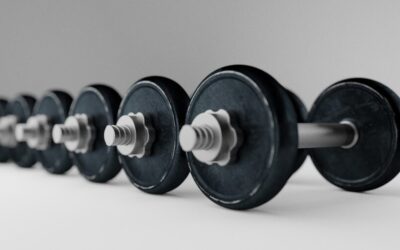
Two minutes on the quads and adductors is plenty. Spend the other 18 minutes walking, sleeping, or doing loaded mobility. Light movement on your off day beats any recovery tool, and 20 minutes of easy work with dumbbells suited to HIIT workouts under 300 dollars keeps blood moving without adding fatigue.
Give your hips 48 hours before squatting heavy again, and do the mobility work on day two rather than only on day zero. Tight hips respond to consistency at moderate effort, not one long session of aggressive stretching you talk yourself into once a month.


Write Your Review
No reviews yet. Be the first to share your experience!