

Treadmill HIIT is short, which fools people into thinking recovery doesn’t matter much. Twenty minutes of sprint intervals produces more systemic fatigue than an hour of steady jogging, and the difference shows up two days later when your legs feel like they belong to someone else. Recovering properly is what lets you run intervals twice a week instead of burning out after three sessions.

The First Ten Minutes Matter Most
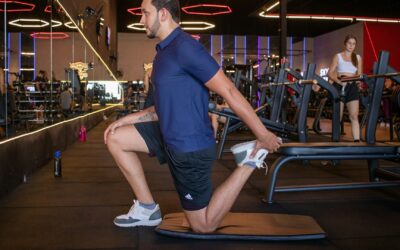
Do not step off the belt and sit down. Your heart rate is elevated, blood is pooled in your legs, and stopping abruptly can leave you lightheaded while giving your body nothing to work with. Walk at an easy pace for three to five minutes on the treadmill itself. Let your breathing return to something conversational before you stop moving entirely. This clears metabolic byproducts and eases your nervous system out of the high-alert state intervals put it in. Then stretch while you’re still warm. Focus on calves, hamstrings, quads, and hip flexors, since those take the brunt of sprint work. Hold each for 20 to 30 seconds without bouncing. Five minutes total is enough.
Refuel Within the First Two Hours
HIIT depletes muscle glycogen meaningfully, and replacing it is what allows you to produce intensity again in your next session. Aim for a mix of carbohydrate and protein: roughly 20 to 30 grams of protein alongside a solid serving of carbs. Chocolate milk earned its reputation honestly here, as did Greek yogurt with fruit, a chicken and rice bowl, or eggs on toast. Certain foods genuinely support muscle recovery better than others, particularly those combining quality protein with anti-inflammatory compounds like tart cherries, fatty fish, and leafy greens. You don’t need to be precious about it, but eating nothing for four hours after intervals is a mistake you’ll feel. Your daily protein total matters more than any single post-workout meal, and our guide on how much protein you actually need covers the numbers. If you train first thing in the morning, what you ate beforehand shapes how depleted you are afterward, and our guide on best foods to eat before a morning workout covers that side.

Rehydrate Properly, Not Just Adequately
Sprint intervals produce heavy sweating in a short window, and most people underdrink because the session felt brief. A practical approach: weigh yourself before and after a session occasionally. Every pound lost represents roughly 16 ounces of fluid to replace. Most people are surprised by the number. Add electrolytes if you sweat heavily, train in a warm room, or your sweat leaves salt marks on your clothing. Plain water alone after a heavy sweat can leave you feeling flat despite drinking plenty, because you’ve replaced fluid without replacing sodium.
Give It Enough Time Before the Next Session
This is the part people get wrong. HIIT feels short, so they run it four or five times a week and wonder why their times stop improving.
| Session Intensity | Recovery Needed | Weekly Frequency |
|---|---|---|
| Short sprints, 20 sec work | 48 hours | 2 to 3 times |
| Longer intervals, 40 to 60 sec | 48 to 72 hours | 2 times |
| Incline intervals | 48 hours | 2 to 3 times |
| Combined with heavy lifting | 72 hours | 1 to 2 times |
Never run intervals on consecutive days. If your legs still feel heavy 48 hours later, take another day. Our HIIT treadmill workout guide covers protocols and how to place them in a weekly schedule.
Use Active Recovery on Off Days
Complete rest isn’t always the fastest route back. Light movement increases blood flow to fatigued muscles without adding meaningful fatigue.
- Easy walking: 20 to 30 minutes at a conversational pace. The simplest and most effective option.
- Low-resistance cycling: Ten to fifteen minutes of easy pedaling flushes the legs without impact.
- Mobility work: Hip openers and calf mobility address exactly what sprinting tightens.
- Foam rolling: Five minutes on quads, calves, and glutes. Uncomfortable, effective.
- Light lifting: Upper body work on leg-recovery days keeps training frequency up.
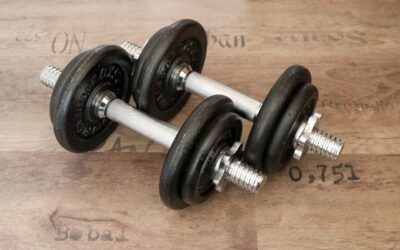
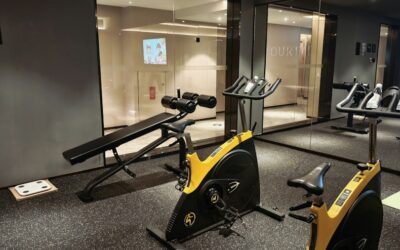
A bike is the most useful active recovery tool since resistance drops low enough to be genuinely easy. Our roundup of the best exercise bikes for HIIT training from NordicTrack covers models that handle both hard intervals and easy recovery spins. Upper body lifting on the day after intervals works well too, since your legs recover while you keep training. Our dumbbell-only full-body workout plan can be split into upper and lower days for exactly this purpose, and our roundup of the best dumbbells for HIIT workouts under 300 dollars covers sets that suit both circuit work and lighter accessory sessions.

Sleep Is the Actual Recovery Tool
Everything above helps at the margins. Sleep is where the actual adaptation happens, and no amount of foam rolling compensates for six hours a night. Aim for seven to nine hours, and prioritize it especially on interval days. If you train hard in the evening, give yourself a couple of hours before bed since HIIT elevates core temperature and stimulates your nervous system in ways that make falling asleep harder. For more on structuring rest and recovery around training, browse our recovery phase category. Walk it off, eat within two hours, drink more than feels necessary, and leave 48 hours before the next one. Intervals only work if you’re recovered enough to actually go hard, and going hard is the entire point.

Write Your Review
No reviews yet. Be the first to share your experience!