

The barbell decision looks simple until you realize it locks in every plate you’ll ever buy. Olympic and standard bars are not interchangeable, and the plates that fit one will not fit the other. Choosing wrong doesn’t just mean an underwhelming bar. It means an entire weight collection you’ll eventually have to replace or sell at a loss. Here’s what actually separates them.
The Real Difference Is the Sleeve
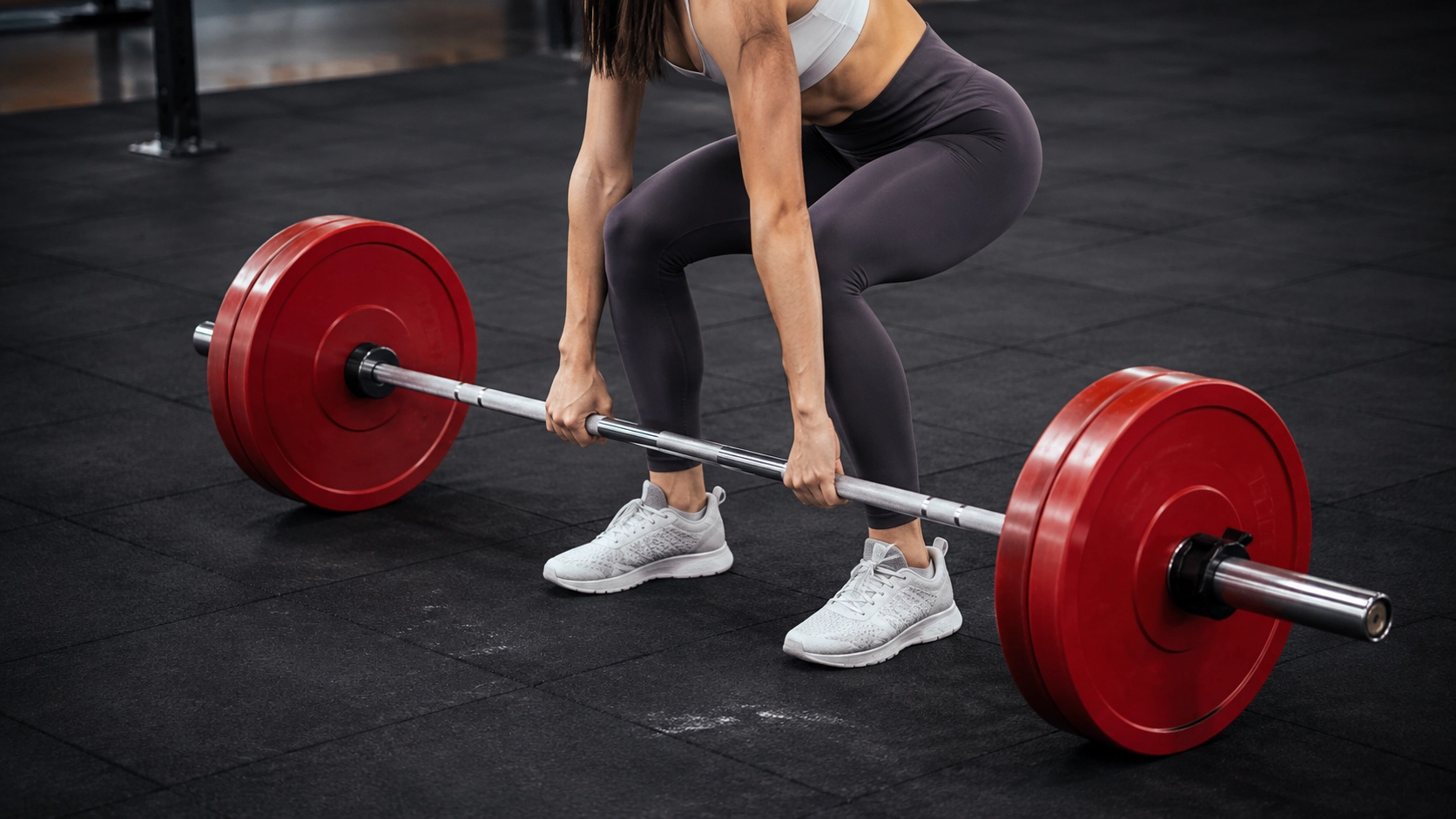
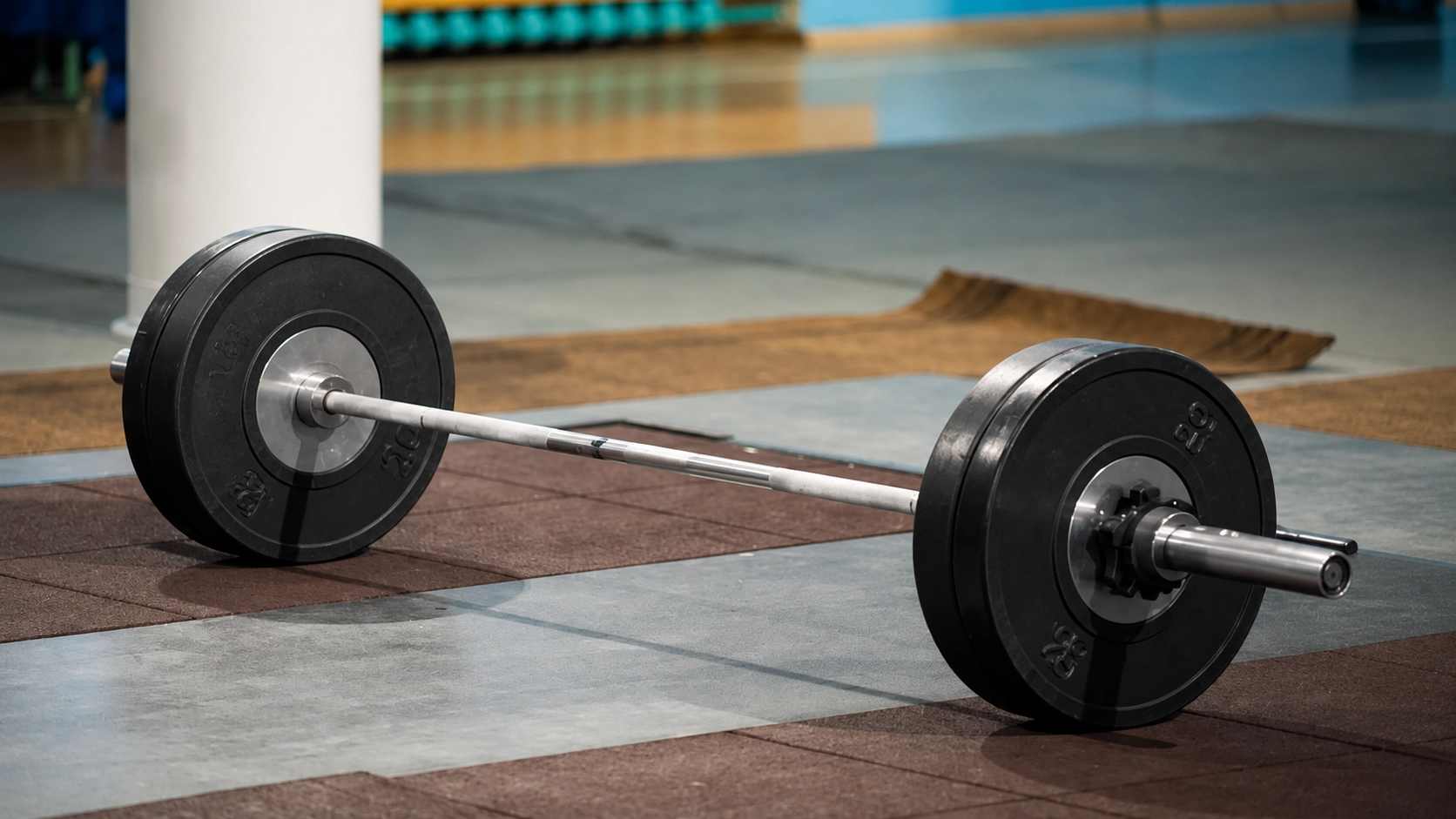
The defining distinction is the diameter of the loadable ends. Olympic bars have 2-inch sleeves that rotate on bearings or bushings. Standard bars have 1-inch ends that are fixed and don’t spin.
That rotation matters more than it sounds. When you clean, snatch, or even press a heavy bar, the plates want to keep turning while your wrists don’t. A rotating sleeve absorbs that, protecting your wrists and elbows. A fixed sleeve transfers it straight into your joints.
| Feature | Olympic | Standard |
|---|---|---|
| Sleeve diameter | 2 inches | 1 inch |
| Bar weight | 44 lbs (20 kg) typical | 15 to 25 lbs |
| Length | 7 ft typical | 5 to 6 ft |
| Weight capacity | 600 to 1500+ lbs | 200 to 400 lbs |
| Sleeve rotation | Yes, bushings or bearings | No |
| Rack compatibility | Fits virtually all racks | Often too short for full racks |
| Plate availability | Extensive, easy resale | Limited, harder to resell |
Length and Rack Compatibility
This is the practical detail that catches people out. A standard 5-foot bar will not span the J-cups on most power racks, which means you cannot safely squat or bench with it in a rack designed for a 7-foot bar.
If you already own a rack or plan to buy one, check the inside width between uprights before buying any bar. Most racks are built around Olympic dimensions, and a short bar in a wide rack is a genuine safety problem, not a minor inconvenience.
Standard bars work well with standalone squat stands set narrow, adjustable benches, and floor-based work. They’re a poor match for a full cage. Our barbells category lists specs including length and sleeve type so you can match a bar to your setup.
When Standard Bars Genuinely Make Sense
Standard bars get dismissed too quickly. They’re the right call in several real situations.
- Tight spaces: A 5-foot bar fits rooms where a 7-foot bar physically cannot be racked or stored.
- Lighter training: If your working sets sit under 150 pounds, capacity is never the limiting factor.
- Accessory work: Curls, rows, and overhead press with a lighter bar suit smaller lifters well.
- Tight budgets: A complete standard bar and plate set costs a fraction of the Olympic equivalent.
- Smaller or newer lifters: A 44-pound empty bar is a real barrier when you’re starting out.
That last point matters more than most guides admit. If an empty Olympic bar is already near your working weight, a lighter standard bar lets you actually progress. Our roundup of the best standard barbells under 200 dollars covers solid options for these situations.
When Olympic Is the Better Investment
For most people building a gym home they intend to keep, Olympic wins on nearly every long-term measure.
Capacity is the obvious one, but plate availability is the quieter advantage. Olympic plates are sold everywhere, hold their resale value, and come in bumper versions if you ever want to drop the bar. Standard plates are increasingly hard to find and sell for very little used.
Entry-level Olympic bars are also cheaper than people expect. Our roundup of the best Olympic barbells under 200 dollars covers bars that handle serious loads without premium pricing. If you’re buying from scratch, bar and plate bundles save money over buying separately, and our list of the best Olympic barbells with weight plates under 500 dollars covers complete starter packages.
Do You Even Need a Barbell Yet
Worth asking honestly. If your training is mostly hypertrophy-focused and you’re not
chasing heavy squats or deadlifts, dumbbells cover more ground per dollar and take up far less space.
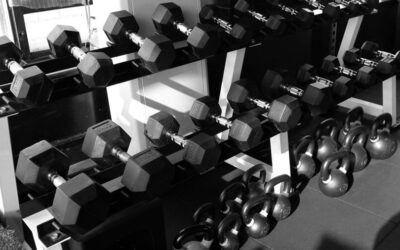
A good dumbbell set handles pressing, rowing, lunging, and most accessory work without any rack at all. Our roundup of the best hex dumbbells covers durable sets that suit a barbell-free program.
Once you know your working loads, the bar decision gets easier. Our 1RM calculator estimates your max across barbell and dumbbell movements, which tells you whether standard capacity would ever actually limit you.
Budget shapes this too. Our guide on how much you should spend on a gym home setup covers where a bar and plates fit into total build costs.
Buy Olympic if you own a rack, plan to lift heavy, or want equipment you can resell in five years. Buy standard if your space is genuinely tight, your loads are moderate, and the lower cost gets you training sooner. Both are correct answers, but only one of them is easy to change your mind about later.

Write Your Review
No reviews yet. Be the first to share your experience!