

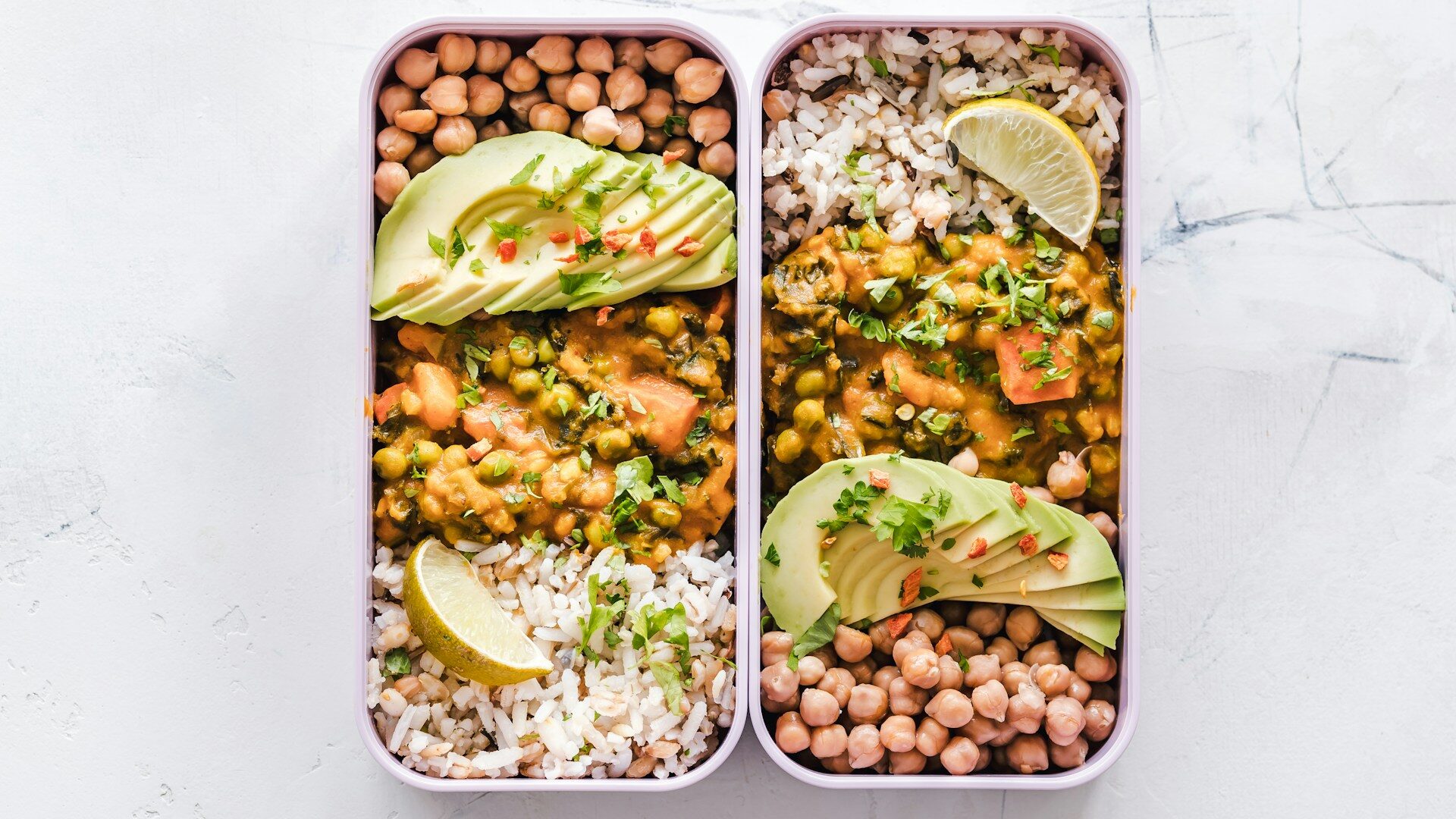
Few nutrition topics cause as much debate among lifters as protein timing. Some people rush to drink a shake within minutes of their last set, while others eat whenever it suits them. So does timing actually matter for building muscle at home?
The short answer is that timing matters a little, but it is far less important than how much protein you eat each day.
Total Daily Protein Comes First
Research consistently shows that total daily protein intake is the biggest nutrition factor for muscle growth. Many sports nutrition guidelines suggest roughly 0.7 to 1 gram of protein per pound of body weight per day for people who lift regularly. If you hit that range most days, you have already done the most important part. Our guide on how to eat for muscle gain without gaining fat explains how protein fits into the bigger picture.
Spreading Protein Across the Day
Once your total is covered, spreading protein across several meals can help a bit. Your body uses protein to build muscle in bursts after each meal. Eating three to five meals that each include a solid portion of protein is a practical way to keep those bursts going.
| Meal | Example Protein Source | Approximate Protein |
|---|---|---|
| Breakfast | Eggs and Greek yogurt | 25-35 g |
| Lunch | Chicken or tuna salad | 30-40 g |
| Snack | Cottage cheese or a shake | 20-30 g |
| Dinner | Lean beef, fish or tofu | 30-40 g |
Is the Post-Workout Window Real
The idea of a narrow 30-minute anabolic window has been softened by newer research. The window appears to be much wider, likely several hours before and after training. If you ate a protein-rich meal a couple of hours before your workout, there is no need to rush a shake afterward. If you train first thing in the morning on an empty stomach, eating protein soon after is a sensible choice. See should you eat before or after a fasted workout for more.
Protein Before Bed
Some studies suggest that a slow-digesting protein before bed, such as cottage cheese or casein, may support overnight recovery. It is a useful option if you struggle to hit your daily total, but it is not essential if your other meals already cover your needs.
Practical Tips for Home Lifters
- Plan your daily protein total first, then split it into meals.
- Include a protein source at every meal and most snacks.
- Keep easy options at home, like eggs, yogurt and canned fish. Our list of budget-friendly protein sources has more ideas.
- Have a meal or shake within a few hours after training.
For post-workout meal ideas, see our guide to the best post-workout meals for muscle recovery.
Final Thoughts
Protein timing is a fine-tuning tool, not the foundation. Hit your daily protein target, spread it across a few meals and eat within a few hours of training. If those basics are in place, you can stop worrying about the clock and focus on consistent workouts and good sleep.
FAQs
Do I need a protein shake right after my workout?
No, it is not required. If you ate protein a few hours before training, a regular meal within a few hours afterward is enough.
How much protein should I eat per meal?
Around 20 to 40 grams per meal works well for most people. Larger people and older adults may benefit from the higher end of that range.
Does protein timing matter for beginners?
Very little. Beginners see the biggest gains from consistent training and enough total daily protein.






Write Your Review
No reviews yet. Be the first to share your experience!