
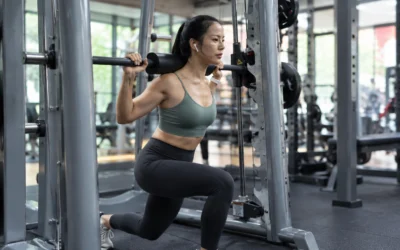
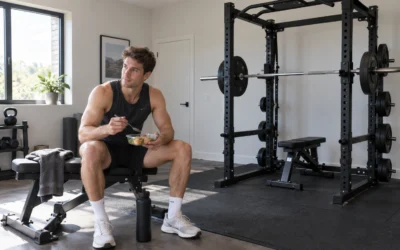
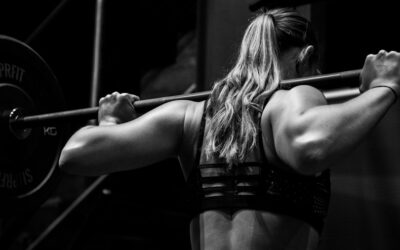
A power rack session usually means big compound lifts: squats, presses, rack pulls and pull-ups. Those movements load your legs, back and shoulders at the same time, so ending with a quick, targeted cool-down makes sense. It helps you shift out of training mode and leaves your hips and upper back feeling less stiff the next morning.
This routine takes about 10 minutes and needs nothing but the rack and a little floor space.
Why Heavy Rack Sessions Need a Cool-Down
Heavy compound lifts keep your heart rate up and your muscles braced for long periods. Walking straight from the last set to the couch skips the transition. A short cool-down eases breathing back to normal, brings your attention to areas that feel tight, and gives you a moment to note how the session went.
Stretching after lifting is not a cure for soreness, but many lifters find it helps them feel looser. For timing guidance, see our article on how long to hold a stretch.
The 10-Minute Cool-Down Sequence
| Move | Time | Main Target |
|---|---|---|
| Easy walk and nasal breathing | 2 minutes | Heart rate and breathing |
| Rack-supported deep squat hold | 1 minute | Hips, ankles, lower back |
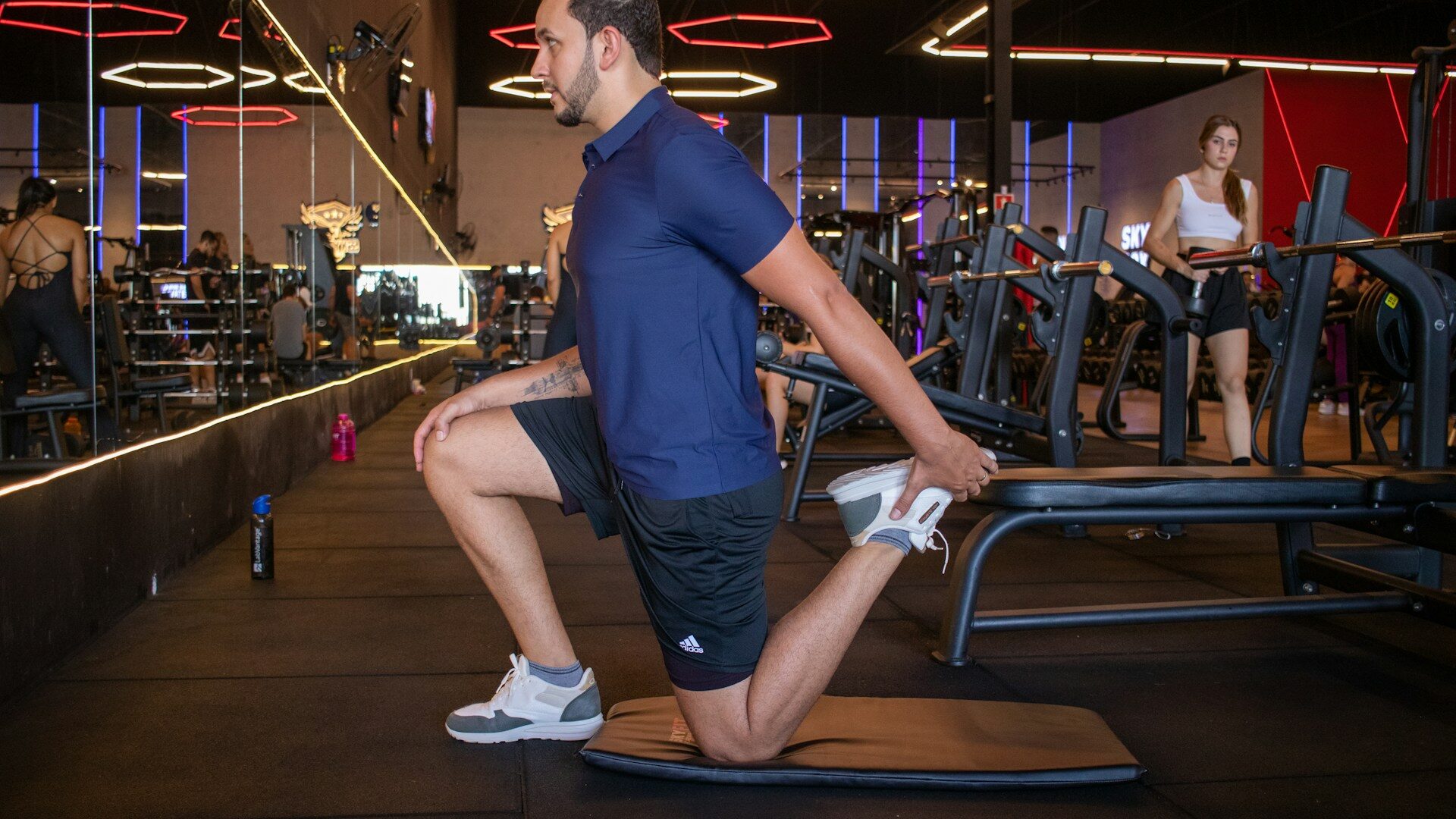
| Half-kneeling hip flexor stretch | 45 seconds per side | Hip flexors, quads |
| Standing hamstring stretch at the rack | 45 seconds per side | Hamstrings, calves |
| Doorway-style chest stretch on an upright | 45 seconds per side | Chest, front shoulders |
| Lat hang or lat stretch on the uprights | 1 minute | Lats, upper back |
| Child’s pose with slow breathing | 1 minute | Lower back, full reset |
Lower Body Moves
Rack-supported deep squat hold: hold an upright with both hands, sink into a comfortable deep squat and let your hips relax. Use the rack for balance so you can stay there without strain.
Half-kneeling hip flexor stretch: kneel on one knee, squeeze the glute on that side and shift forward slightly. You should feel it in the front of the hip, not the lower back.
Standing hamstring stretch: rest a heel on a low safety pin or crossmember, keep the knee soft and hinge forward from the hips. Our full routine for tight hamstrings after leg day adds more options.
Upper Body Moves
Chest stretch on an upright: place your forearm against an upright at shoulder height and turn your body away gently. Great after bench or overhead pressing.
Lat hang or lat stretch: a relaxed dead hang from the pull-up bar decompresses the shoulders. If hanging is uncomfortable, hold an upright with both hands, sit your hips back and let your arms stretch long.
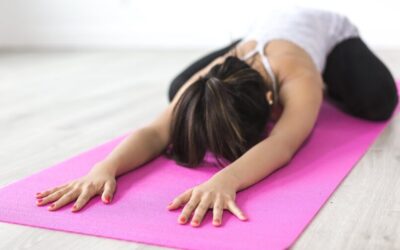
Child’s pose: kneel, sit back toward your heels and reach your arms forward. Breathe slowly into your back to finish the session calm.
Small Habits That Help Recovery
- Drink water during the cool-down, especially after long sessions.
- Write down your top sets while the session is fresh.
- Eat a balanced meal with protein within a few hours.
- Prioritize sleep on heavy training days.
After big squat days, our post-squat hip mobility routine is a good follow-up the next morning.
Final Thoughts
Ten minutes at the end of a rack session is a small investment. A short walk, a few hip and hamstring stretches and two upper body openers bring you down from heavy lifting and keep the next session feeling smoother. Keep every stretch gentle and skip anything that causes sharp pain.
Explore more routines in our recovery guides.
FAQs
How long should a cool-down be after lifting?
Five to ten minutes is enough for most people. Focus on the areas your session worked hardest instead of stretching everything.
Should I stretch before or after a heavy rack session?
Save longer static stretches for after. Before lifting, a dynamic warm-up and lighter sets prepare you better.
Is hanging from the pull-up bar good after squats?
Many lifters find a relaxed hang feels good. Keep it short, stay relaxed, and skip it if it bothers your shoulders.
Write Your Review
No reviews yet. Be the first to share your experience!