
A 90 minute session on the bike leaves you with three specific problems: fluid loss, depleted glycogen, and legs that have been locked in one position for over an hour. Fix those three in the right order and you can ride again tomorrow. Skip them and you spend the next two days walking like the saddle won.
The First 30 Minutes Matter Most
Do not step off and sit down. Spin easy at 50 to 60 RPM with almost no resistance for 5 to 10 minutes to clear metabolic waste from your legs while circulation is still elevated. It costs you almost nothing and it is the single most effective thing on this list.
Then drink. A rough target is 16 to 24 ounces of fluid for every pound of bodyweight lost during the ride, which for most riders lands between 20 and 40 ounces after a long session. A water intake calculator gives you a real daily baseline to build on instead of a guess. If you sweated heavily or the ride ran past 60 minutes, add sodium: an electrolyte tablet or even a pinch of salt in your water does more than plain water alone.
Refuel Within the Two Hour Window
Your body absorbs carbohydrates most efficiently in the two hours after a hard endurance effort. Aim for roughly 0.5 grams of carbohydrate per pound of bodyweight, so a 170 pound rider is looking at 85 grams. Rice, potatoes, oats, or a banana with toast all work fine. Nothing exotic is required.
Pair it with 20 to 40 grams of protein to support repair. For riders who also lift, the daily number matters more than the post-ride number, and this breakdown of how much protein you actually need to build muscle covers what the research supports versus what supplement labels claim.

Get Your Hips Out of the Riding Position
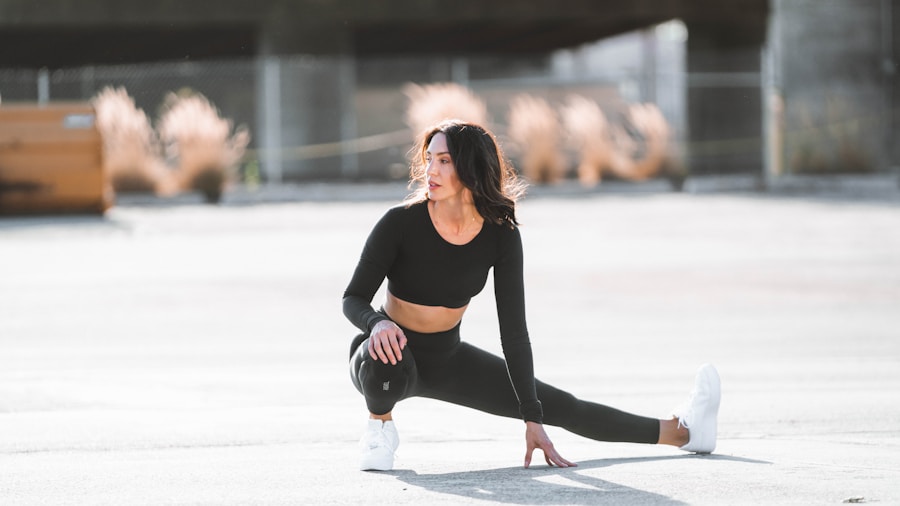
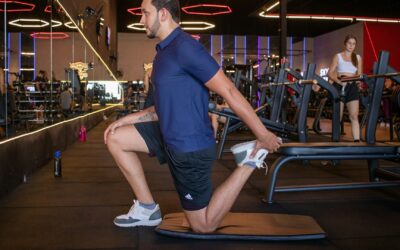
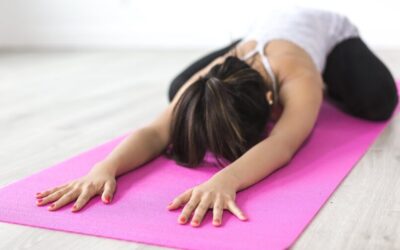
Cycling shortens the hip flexors and keeps the hamstrings in a fixed range for the entire session. Ten minutes of static stretching after the ride, holding each position 30 to 45 seconds, addresses most of it.
| Area | Stretch | Hold |
|---|---|---|
| Hip flexors | Half-kneeling lunge | 45 sec each |
| Quads | Standing quad pull | 30 sec each |
| Hamstrings | Seated forward fold | 45 sec |
| Glutes | Figure-four stretch | 30 sec each |
| Lower back | Cat-cow, slow reps | 60 sec |
Foam rolling the quads and IT band area for 5 minutes helps if you have a roller sitting around. If you do not, buying one is not urgent.
Sleep Does More Than Any Recovery Gadget
Growth hormone release peaks during deep sleep, and 7 to 9 hours does more for your legs than every recovery tool combined. Riders logging 5 hours a night and then wondering why their power output stalled have already found their answer.
Timing helps too. A hard interval session finished at 9 PM keeps your core temperature and heart rate elevated well past bedtime, so schedule the intense work earlier when you can. If your rides come from a structured plan, this exercise bike workout guide for beginners lays out how to space hard days so recovery actually fits between them.

Skip the Ice Bath, Ride Easy Instead
Here is the part nobody wants to hear. Cold plunges have become a recovery status symbol, but for endurance riders the research is mixed at best, and post-workout cold exposure may blunt some of the adaptations you just spent 90 minutes earning. A $2,000 tub is not a better investment than a good pillow.
Active recovery works better and costs nothing. A 20 to 30 minute ride at 55 to 65 percent of max heart rate the day after a hard effort improves blood flow without adding fatigue. This is easier to stick with when the bike is right there in the room. A bike sized for tight spaces in the 300 to 400 dollar range or a folding exercise bike under 1000 dollars both handle easy spins fine, and the folding models tuck away between sessions if floor space in your gym home is limited.
Recovery is mostly boring: fluid, carbs, stretching, sleep. The one place equipment genuinely helps is tracking, since a bike with app connectivity under 500 dollars logs your effort so you know whether yesterday warrants an easy day, and riders doing frequent
Write Your Review
No reviews yet. Be the first to share your experience!