

The gap between people who hit their nutrition targets and people who don’t is rarely knowledge. It’s whether there was something ready to eat at 7 p.m. on a Tuesday. Meal prep solves that, and it doesn’t require Sunday afternoons spent portioning identical chicken into fourteen containers. A couple of hours a week and a few repeatable systems will carry you through most schedules.
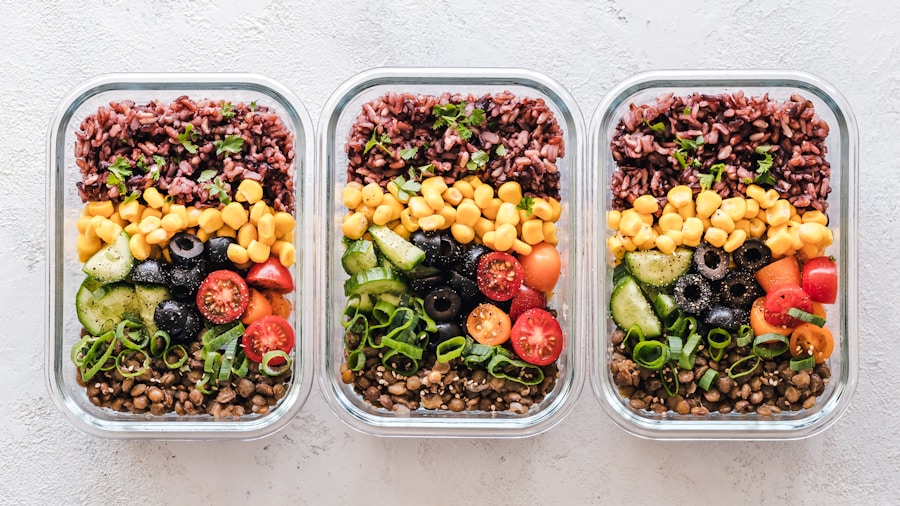
Pick a Prep Style That Matches Your Life
Full-batch cooking gets all the attention, but it’s the style most likely to end in you staring at day-five chicken with genuine resentment. There are gentler options.
| Style | Time Needed | Best For |
|---|---|---|
| Full meals | 2 to 3 hours weekly | Fixed routines, no cooking midweek |
| Component prep | 90 minutes weekly | Variety, flexible eating |
| Protein only | 45 minutes weekly | Beginners, unpredictable schedules |
| Double-batch dinners | No extra time | People who already cook nightly |
Component prep is the sweet spot for most people. You cook proteins, grains, and vegetables separately, then assemble different combinations across the week. Same efficiency, far less monotony.
Cook Protein in Bulk, Everything Else Flexibly
Protein is the component people miss most often and the one that takes the longest to cook, so it earns the batch treatment.
Roast two to three pounds of chicken thighs at once, they stay moist far better than breasts across four days. Hard-boil a dozen eggs. Brown a pound of ground turkey or beef with basic seasoning so it works in tacos, pasta, or rice bowls without tasting like the same meal. Bake salmon fillets, which hold up two to three days and cover your omega-3 intake.
Then keep no-cook protein on hand for the gaps: Greek yogurt, cottage cheese, canned tuna, and a tub of protein powder. These bridge the days when your prep runs out a meal early, which it will.
Hitting your daily total matters far more than the perfection of any individual meal, and our guide on how much protein you actually need to build muscle covers the numbers to aim for.
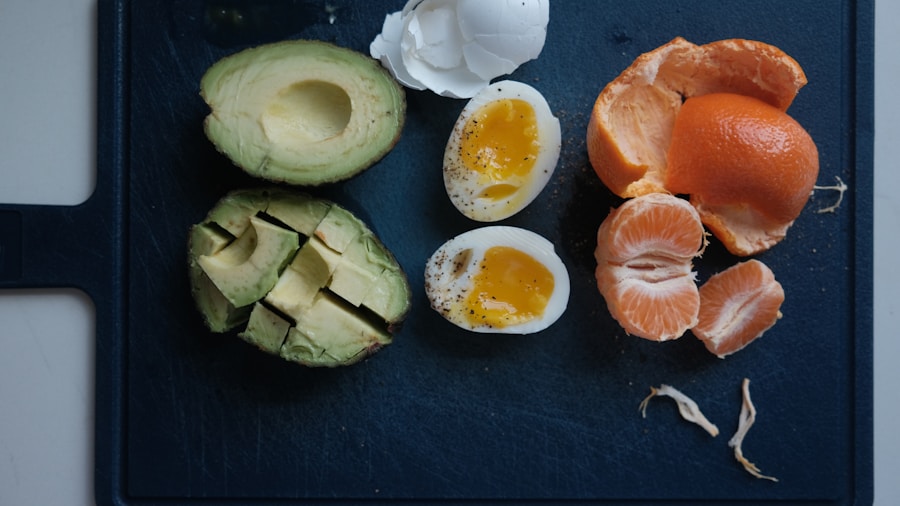
Build Around Training Times
What you prep should reflect when you train, since pre and post-workout meals have genuinely different jobs.
For morning lifters, the pre-workout problem is having something fast and light ready at 6 a.m. Portion overnight oats or pre-cut fruit the night before so the decision is already made. Our guide on best foods to eat before a morning workout covers what works at different time windows.
Post-workout, you want protein and carbs ready to go rather than a 40-minute cooking project when you’re tired. Prepped rice, roasted sweet potatoes, and cooked protein assemble into a proper meal in three minutes. Our guide on what to eat after a strength training session covers the targets.
Heavy training days need more food than light ones. A session on a full-size treadmill from our roundup of the best commercial-grade treadmills for home use from 1000 to 1500 dollars burns considerably more than fifteen minutes of accessory work, and your prep should account for those bigger days.
Systems That Save the Most Time
A few habits do most of the heavy lifting.
- Sheet pan everything: Protein and vegetables on one tray, 25 minutes, one thing to wash.
- Cook grains in bulk: Rice and quinoa keep four days and reheat perfectly. Make double.
- Freeze half: Portion half your batch on day one. Day five you have fresh food, not tired food.
- Prep sauces separately: Same chicken and rice tastes completely different with pesto versus salsa versus peanut sauce.
- Chop once: Onions, peppers, and garlic prepped Sunday save ten minutes every single night.
- Standardize containers: One size, stackable, so portioning needs no thought.
The freeze-half rule is the one that keeps meal prep sustainable long term. Food fatigue is what ends most prep habits, not effort.

Portion for Your Actual Body and Goals
Prep only works if the portions match what you need. Too little and you’re eating extra meals anyway. Too much and you’re gaining weight you didn’t plan for.
Start from a realistic target rather than a guess. Our ideal weight calculator gives you a sensible range based on height and frame, which anchors your calorie and protein numbers.
Then track whether the plan is working. The scale alone is a poor indicator when you’re training, since muscle gain masks fat loss. Our body fat calculator gives a clearer picture across weeks.
Adjust portions every few weeks based on results rather than sticking rigidly to numbers you set in January.
Keep It Realistic on Busy Weeks
Some weeks the prep doesn’t happen. That’s normal and not worth abandoning the whole system over.
Keep a fallback shelf: canned tuna, frozen vegetables, microwave rice pouches, and eggs will assemble a decent meal in six minutes with no planning. Rotisserie chicken from the grocery store is meal prep that someone else did.
Short training sessions fit busy weeks better too. Compact equipment like the models in our roundup of the best kettlebells with flat base for small apartments under 200 dollars or the trap bars in our list of the best hex trap bars for weightlifting from 200 to 400 dollars support quick sessions when time is tight. Our HIIT treadmill workout guide covers 20-minute protocols for the same reason.
Cook protein in bulk, keep grains and vegetables flexible, freeze half of everything, and stock a fallback shelf for the weeks that go sideways. That’s a system that survives a real schedule.





Write Your Review
No reviews yet. Be the first to share your experience!