

The post-workout meal carries more mythology than almost any topic in fitness. You’ve probably heard that you have thirty minutes before your gains evaporate, that you need a specific ratio of carbs to protein, and that a shake immediately after your last set is non-negotiable. Most of that is overstated. What actually matters is simpler, more forgiving, and easier to get right than the supplement industry would prefer you believe.
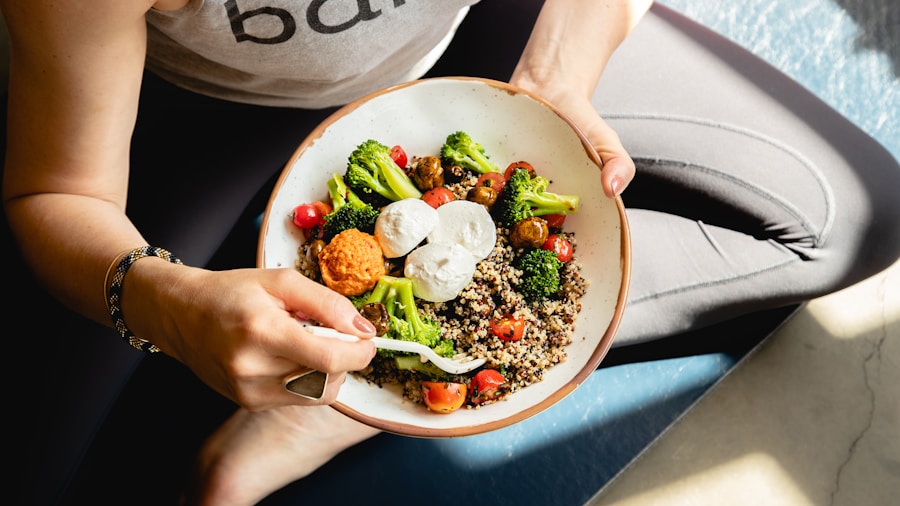
The Anabolic Window Is Wider Than You Think
The thirty-minute panic came from early research on fasted training and has been steadily walked back since. If you ate a reasonable meal a few hours before lifting, those amino acids are still circulating while you train. There’s no cliff edge. A more realistic guideline is to eat a proper meal within about two hours of finishing. If you trained fasted first thing in the morning, tighten that to within an hour, since you genuinely are running on empty. Our guide on best foods to eat before a morning workout covers how pre-workout eating changes the urgency afterward. The one thing worth taking seriously: total daily intake matters far more than timing. A perfectly timed shake won’t rescue a day where you ate 60 grams of protein.
What the Meal Should Actually Contain
Two components do the work. Protein supplies the amino acids for repair, and carbohydrate replaces the glycogen you burned through and helps shuttle nutrients into muscle.
| Component | Target | Why It Matters |
|---|---|---|
| Protein | 25 to 40 g | Triggers muscle protein synthesis |
| Carbohydrate | 40 to 80 g | Restores glycogen, supports next session |
| Fat | Whatever comes with the food | Not harmful, just slows digestion |
| Fluid | 16 to 24 oz | Replaces sweat losses |
Scale the carbohydrate to the session. A heavy full-body workout justifies the top of that range. Three sets of curls does not. Fat doesn’t need avoiding, contrary to old advice, though a very high-fat meal will slow everything down if you’re eating close to your next session.
Meals That Actually Work
None of this requires special products. Real food covers it, usually better and cheaper.
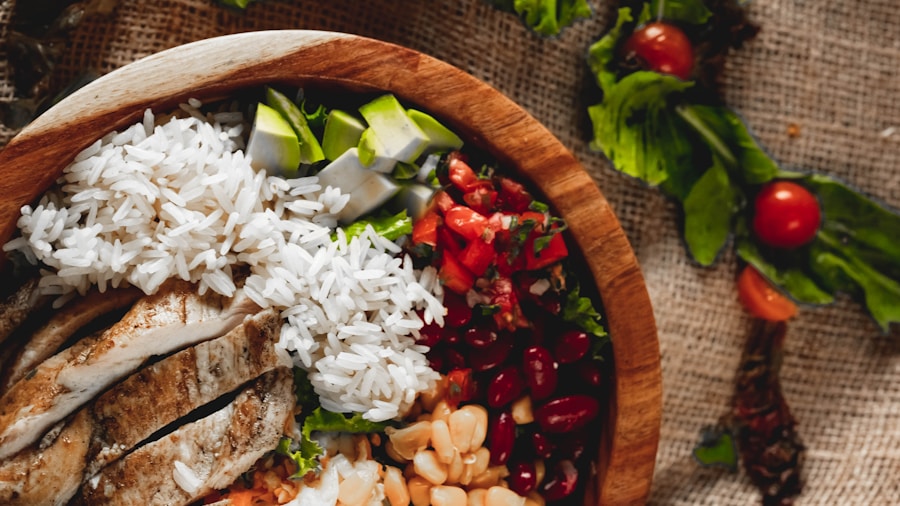
- Chicken, rice, and vegetables: The unglamorous classic. Hits every target without thinking.
- Greek yogurt with granola and berries: Fast, requires no cooking, roughly 25 g protein.
- Eggs on toast with fruit: Good for morning lifters who want something familiar.
- Salmon with sweet potato: Adds omega-3s, which support recovery beyond the basics.
- Protein shake plus a banana: The gap-filler when a real meal is an hour away.
- Cottage cheese with pineapple: High protein, minimal effort, surprisingly good.
Some foods support recovery better than others, particularly fatty fish, tart cherries, and leafy greens, which combine protein or antioxidants with anti-inflammatory compounds. Worth including regularly, not worth stressing about after any single session.
Match Intake to Your Training Load
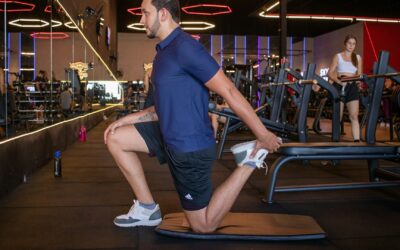
Not every session earns the same meal. A demanding compound-lift day depletes far more than an accessory session. Heavy multi-joint work on machines like those in our roundup of the best Smith machines with lat pulldown under 1000 dollars hits large muscle groups across pushing and pulling patterns, which warrants a full meal with generous carbs. Shorter apartment-friendly sessions with lighter loads need proportionally less. If your training runs to kettlebell circuits or accessory work with equipment from our list of the best kettlebells with flat base for small apartments under 200 dollars, a moderate meal covers it comfortably. Eating like you deadlifted when you did fifteen minutes of curls is how people gain weight they didn’t intend to.
Fit It Into Your Daily Numbers
The post-workout meal is one of three or four meals, not a separate accounting category. Build it into your daily protein and calorie totals rather than treating it as a bonus. Our guide on how much protein you actually need to build muscle covers daily targets, which is the number that genuinely drives results. Spread it across meals and the post-workout one takes care of itself. To know whether your intake is producing muscle rather than just weight, track body composition rather than the scale. Our body fat calculator gives you a clearer picture over time, and our ideal weight calculator provides a sensible target range to work toward.

What You Can Safely Ignore
A few things get far more attention than they deserve. Fast-absorbing protein specifically is largely irrelevant outside of elite scenarios. Whey digests faster than chicken, and it makes no measurable difference to muscle growth over weeks. BCAAs add nothing if your total protein intake is adequate, which for most people it is or easily could be. Precise carb-to-protein ratios are similarly overengineered. Get roughly the right amounts of both and the ratio sorts itself out. And skipping carbohydrate entirely after training is a common low-carb error that leaves you flat for the next session. Eat a real meal within a couple of hours, get 25 to 40 grams of protein into it, include carbs proportional to how hard you worked, and drink water. Everything past that is optimization at the margins.
Write Your Review
No reviews yet. Be the first to share your experience!