

Most workouts make you pick a lane. Lift heavy and your heart rate stays moderate, or run intervals and your muscles never see meaningful load. Kettlebell complexes break that tradeoff by keeping the weight in your hands while the work interval runs long enough to push your heart rate past 80 percent of max. Here is a 25 minute session that does both.
Why One Bell Covers Both Jobs
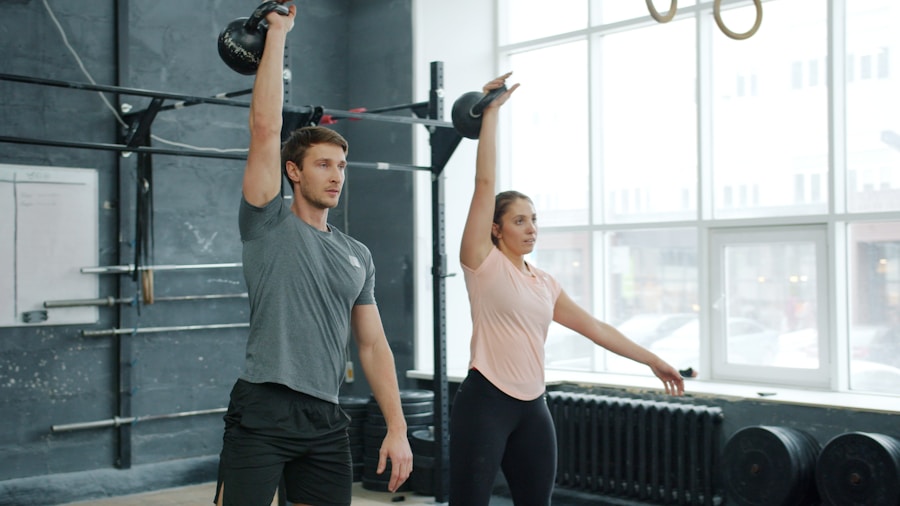
A barbell moves in a straight line and you rest between sets. A kettlebell swings, and the ballistic hip drive recruits your entire posterior chain while forcing your cardiovascular system to keep up with continuous work.
The numbers back this up. A 20 minute swing-based session at moderate pace burns roughly 250 to 400 calories depending on bodyweight and bell size, which is comparable to running at a 9 minute mile pace. A calories burned calculator gives you a closer estimate for your weight and duration. The difference is that you also loaded 40 pounds through your hips several hundred times, which running does not do.
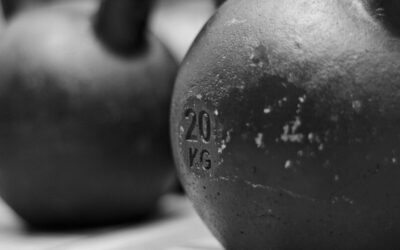
You need exactly one bell to start. That is the entire equipment list, which puts kettlebells in rare company within the strength equipment category.
Picking Your Weight
Too light and it becomes cardio with a paperweight. Too heavy and your form collapses by round three, which is where back injuries come from.
| Experience | Men | Women |
|---|---|---|
| Beginner | 26 to 35 lbs | 18 to 26 lbs |
| Intermediate | 35 to 53 lbs | 26 to 35 lbs |
| Advanced | 53 to 70 lbs | 35 to 53 lbs |
Start at the low end of your row. A kettlebell set for beginners under 200 dollars typically covers two sizes, which is enough for the first six months. Lifters already pulling heavy will outgrow a 35 pound bell within weeks and should look at kettlebells for heavy lifters under 400 dollars instead of buying twice.
The 25 Minute Complex
Five movements, 40 seconds of work, 20 seconds of rest, five rounds. Two minutes of rest between rounds.
- Two-hand swing: hips drive the bell, arms are ropes. Target 20 to 25 reps.
- Goblet squat: bell at chest, elbows inside knees. Target 12 to 15 reps.
- Single-arm row: hinge forward, 8 to 10 reps per side.
- Push press: shallow dip, drive overhead, 8 to 10 reps per side.
- Suitcase carry: walk 40 seconds, switch hands halfway.
The swing is where most people go wrong. It is a hip hinge, not a squat, and not a front raise. If the bell floats to eye level on its own momentum, you did it right. The hinge pattern is identical to a deadlift, so this walkthrough on performing a barbell deadlift correctly at home is worth reading before you add speed to the movement.
Round five will feel considerably longer than round one. This is normal and not a sign you chose the wrong weight.
Space, Noise, and the Neighbor Problem
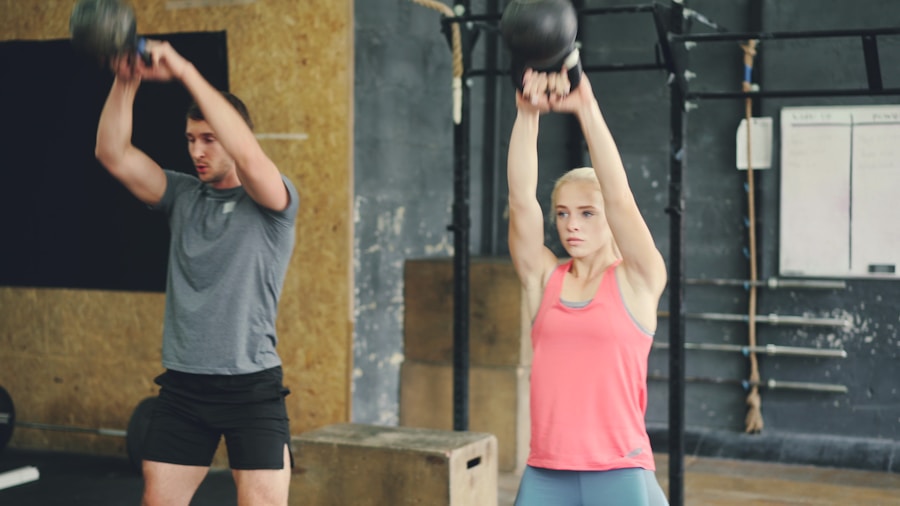
You need a 6 by 6 foot area with 8 feet of ceiling clearance for the push press. That is it.
The real constraint in apartments is what happens when you set the bell down. A 44 pound cast iron bell dropped from waist height on a second floor makes an impression on everyone below you. Bells with a wide flat base sit stable and land quieter, and flat-base kettlebells for small apartments under 200 dollars paired with a 3/4 inch rubber mat handle most of the sound. Set the bell down, do not drop it. Your security deposit will notice.
Do Not Run This Every Day
Here is the honest limit. Complexes feel productive enough that people want to do them daily, and that is how you develop a cranky lower back within a month.
Three sessions a week with a rest day between them is the right frequency. Swings load the spine through repeated flexion and extension under speed, and that accumulates faster than the soreness suggests. Daily cardio is fine in general, as this look at doing cardio every day covers, but daily ballistic loading is a different question entirely. Walk or cycle on your off days instead.
Older lifters and anyone returning from a layoff should start with two sessions a week and skip the swing entirely for the first three weeks, building the pattern with deadlifts first. Lighter options like kettlebells for seniors in the 200 to 300 dollar range make that ramp-up realistic rather than theoretical.
Run the complex for eight weeks before changing anything, then add weight rather than rounds. Six rounds of a 26 pound bell is not progress. Five rounds of a 35 pound bell is.



Write Your Review
No reviews yet. Be the first to share your experience!