

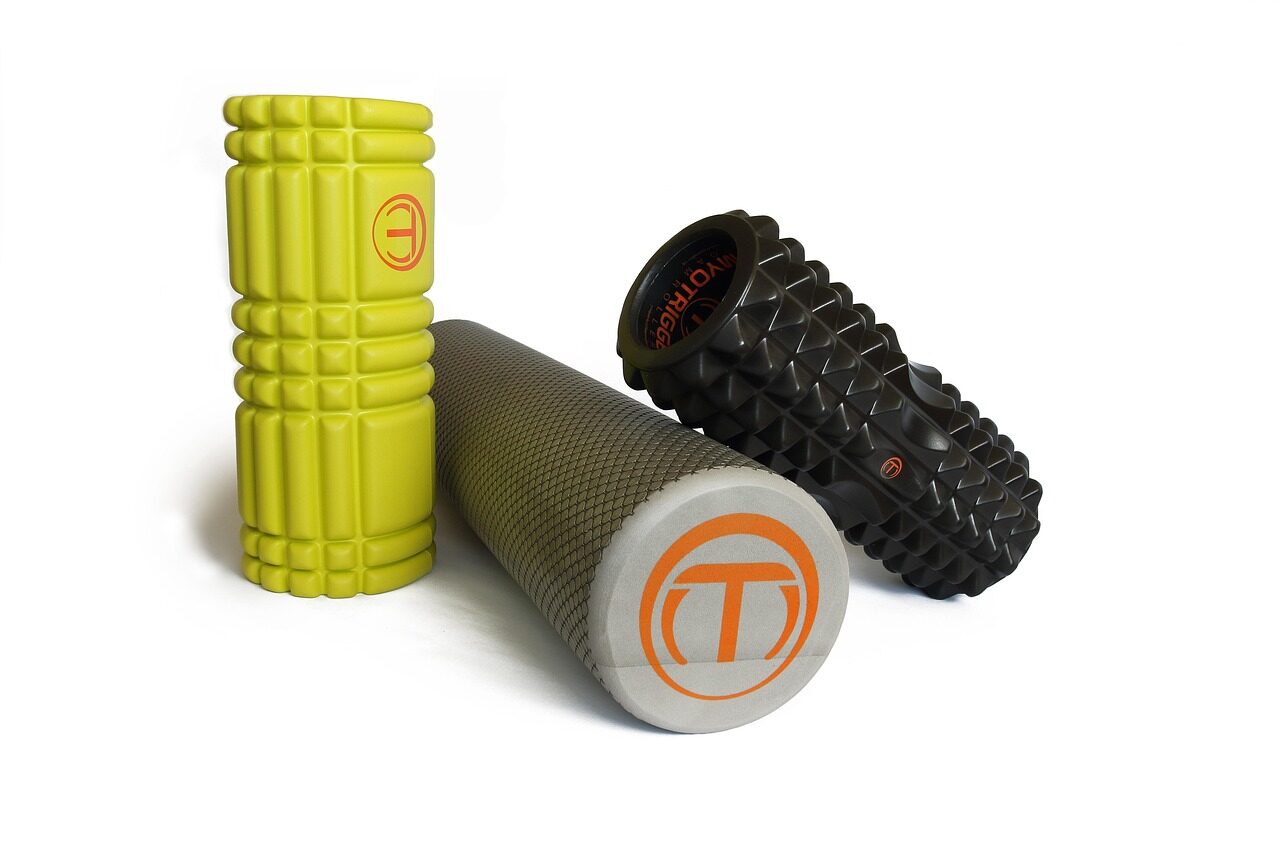
Anyone who trains regularly knows the feeling of tight, sore muscles the day after a hard session. Recovery tools do not replace rest, sleep and good nutrition, but they can make the days between workouts much more comfortable. That makes them one of the most appreciated fitness gifts, whether the person lifts, runs or practices yoga.
Recovery gear is also easy to buy without knowing someone’s exact routine. Here is how the main options compare.
Recovery Tools Compared
| Tool | Best For | Learning Curve | Typical Price Range |
|---|---|---|---|
| Foam roller | Large muscles like quads and back | Easy | $20 to $50 |
| Massage gun | Targeted, deep relief | Easy | $50 to $250 |
| Massage ball set | Feet, glutes and shoulders | Easy | $10 to $30 |
| Stretching strap | Hamstrings and hips | Easy | $10 to $20 |
| Muscle roller stick | Calves and quads on the go | Easy | $15 to $30 |
Foam Rollers: The Classic Choice
A foam roller is the most common recovery tool for good reason. It covers large muscle groups, costs little and lasts for years. Smooth rollers are gentler and good for beginners. Textured or firm rollers dig deeper and suit people who already roll regularly. If you are unsure, a medium-density smooth roller is the safest pick.
Massage Guns: The Premium Pick
Massage guns deliver fast pulses into a specific muscle. They are popular with lifters and runners who want quick relief after a session. When comparing models, look at battery life, noise level, weight and the number of attachments. A lighter gun is easier to use on your own back and shoulders. A mid-range model is usually enough for home use, and premium models mainly add power and quieter motors.
Massage Balls for Small Areas
Massage balls reach places a foam roller cannot, like the arch of the foot, the hips and the area around the shoulder blades. A set with a firm ball and a softer ball covers most needs. They are small enough to keep at a desk or in a gym bag, which makes them an easy stocking stuffer.
Stretching Tools
A stretching strap with loops helps people reach deeper stretches without straining. It is especially helpful for anyone with tight hamstrings or limited flexibility. Pair a strap with a routine like our cool-down stretching routine so they know exactly how to use it.
Match the Gift to Their Training
- Lifters: a massage gun or firm roller for back, glutes and legs. See our power rack recovery moves.
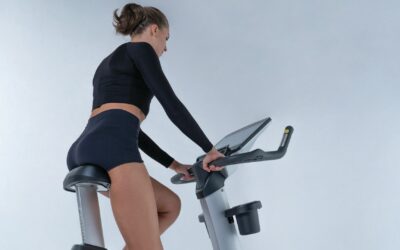
- Rowers and cyclists: a roller plus a strap for hips and hamstrings. Our post-rowing recovery stretches are a good pairing.
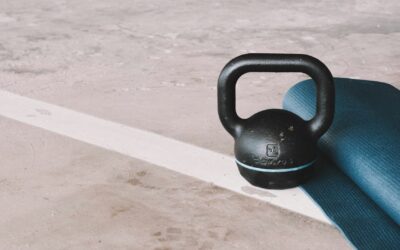
- Kettlebell fans: massage balls for forearms and shoulders, plus our guide on recovering from a kettlebell workout.
- Beginners: a smooth roller and a strap.
A Few Safety Notes
Recovery tools should feel firm but not painful. Avoid rolling directly over joints or bones, and keep massage guns away from the neck and front of the throat. Anyone with an injury, a medical condition or a recent surgery should check with a doctor before using these tools. Including a short note with these tips makes the gift more useful.
A Gift That Fits Many Occasions
Recovery gear works for Christmas, and it is just as thoughtful for Mother’s Day or Father’s Day, especially for parents who carry a lot of daily stress in their back and shoulders. Browse more ideas in our Christmas gift guides.



Write Your Review
No reviews yet. Be the first to share your experience!